[Blog]Institution Categories Are Not --Relaxed Screening--
2026-05-09
In this article, we explained how certain educational institutions in Japan, such as “Proper Schools” and “Class 1” institutions, are allowed to omit part of the financial support documentation normally required in immigration procedures.
The Same Structure Exists for Work Visas
A similar framework also exists for employment-based residence statuses such as Engineer/Specialist in Humanities/International Services. Immigration authorities classify receiving organizations into several categories, generally from Category 1 to Category 4. Higher-ranked organizations are often exempted from submitting certain supporting materials, such as company brochures, financial statements, or detailed operational documents.
The Requirements Themselves Do Not Change
However, this does not mean that the substantive screening requirements have been relaxed. The foreign national must still satisfy all legal requirements, including eligibility under the relevant residence status, conformity with landing permission standards, relevance between academic background and job duties, and payment of remuneration equivalent to or greater than that of a Japanese national in a comparable position.
The Immigration Bureau Is Trusting the Organization
The essence of the category system is not reduced scrutiny, but institutional trust. Immigration authorities are effectively saying: “This organization has demonstrated a certain level of compliance and reliability, so we will omit part of the documentary burden.” In other words, the authorities are not waiving the legal requirements themselves. They are merely reducing the amount of evidence that must be formally submitted.
Organizations Are Effectively Conducting a Primary Review
Receiving organizations should therefore not misunderstand the system as an easier path to approval. Rather, it is more accurate to view the system as one in which immigration authorities are relying on the organization’s internal judgment and compliance practices. To some extent, the organization is expected to verify whether the applicant genuinely satisfies the requirements before the application is even filed.
Improper Hiring Damages Institutional Trust
If a company hires foreign nationals for duties unrelated to their academic background, places them into simple labor inconsistent with the residence status, or provides working conditions different from those stated in the application, the organization may face requests for additional materials, application denials, or heightened scrutiny in future cases. Repeated problems can eventually undermine the organization’s credibility with immigration authorities.
Higher Categories Mean Greater Responsibility
Being classified as a higher-category organization is not a privilege guaranteeing approvals. It represents a higher degree of trust from the immigration authorities. That trust carries responsibility. Organizations benefiting from reduced document requirements must conduct careful internal verification regarding job content, academic relevance, employment conditions, and actual work assignments.
What Receiving Organizations Must Keep in Mind
Receiving organizations should abandon the misconception that “fewer documents means easier approval.” What has been reduced is merely the submission requirement, not the legal standard itself. The applicant must still satisfy all substantive immigration requirements.
The Real Foundation of the System
Ultimately, Japan’s institutional category system is built not on deregulation, but on delegated trust. Immigration authorities are implicitly relying on organizations to exercise responsible judgment when hiring and sponsoring foreign nationals. Therefore, organizations should understand that the category system is not simply an administrative convenience, but a framework based on institutional credibility and accountability.
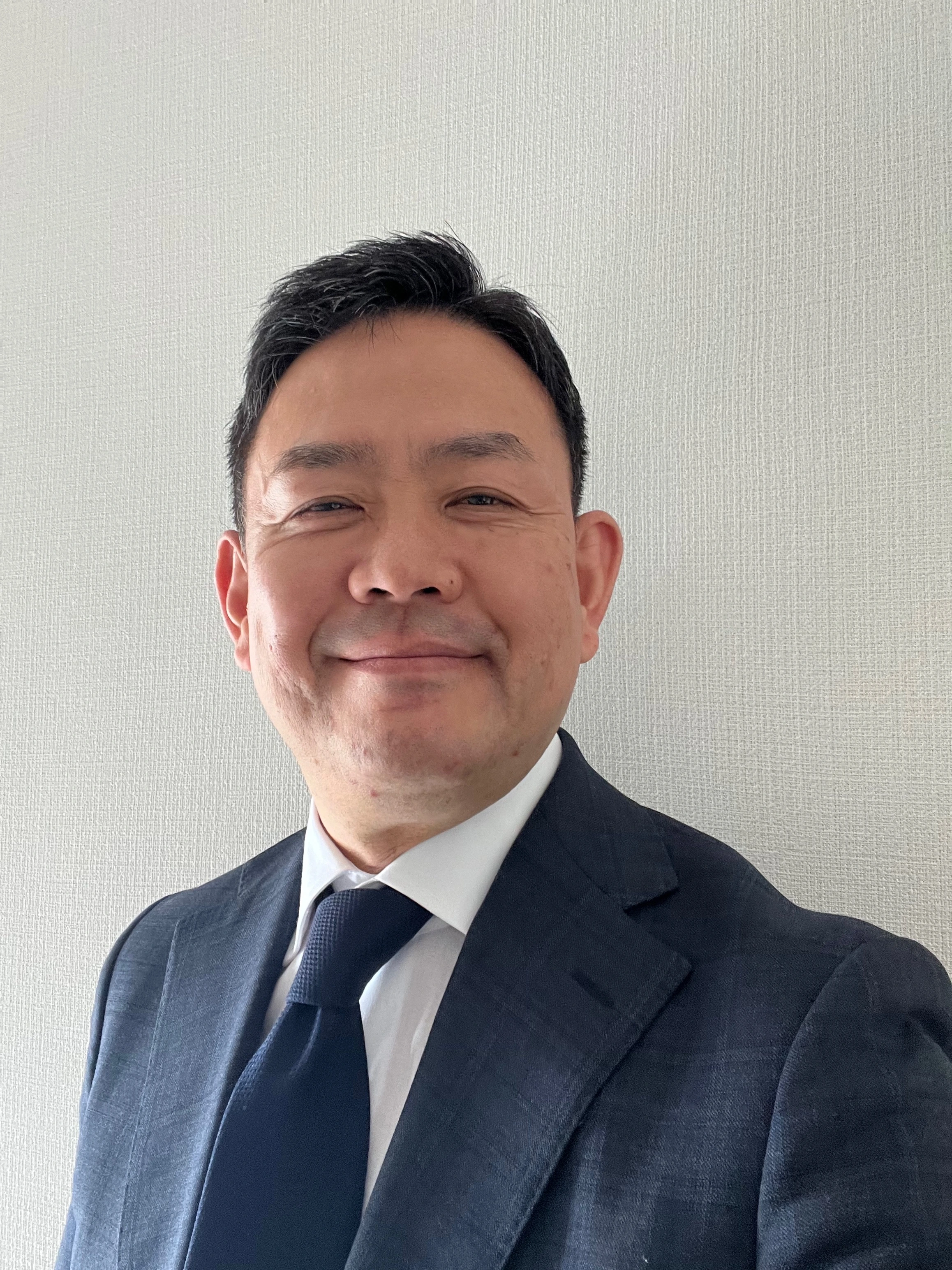
Author: Kenji Nishiyama (Certified Administrative Procedures Legal Specialist(Gyoseishoshi), Registration No.20081126)
Kenji Nishiyama is an Immigration and Visa Specialist who has supported many foreign residents with visa applications in Japan. On his firm’s website, he publishes daily updates and practical insights on immigration and residency procedures. He is also well-versed in foreign employment matters and serves as an advisor to companies that employ non-Japanese workers.