[Blog]Even --Clean-- Employers Can Be Dragged into SSW Fraud: Why Japan’s Amended Administrative Scrivener Act and Mandatory Reporting Are Likely to Make Crackdowns Easier
2026-01-26
A January 22, 2026 report described a case in which individuals linked to a Registered Support Organization allegedly filed Skilled Worker (Specified Skilled Worker, SSW) status applications by falsely listing an employer (the “accepting organization”) and then having the workers actually work elsewhere (Sankei article). A noteworthy point in the coverage is that the cleaning company whose name was used reportedly made the complaint itself, which suggests the “named” employer was likely compliance-minded and legitimately operated. If so, the case does not fit the simple narrative of a shady employer driving the misconduct. Instead, it highlights a more uncomfortable reality: the more “clean” an employer looks on paper, the more attractive its name can become as a façade in document-driven fraud.
How a compliant accepting organization can still become a victim of “name misuse”
Under Japan’s SSW framework, accepting organizations may outsource support activities to a Registered Support Organization. That outsourcing can shift practical touchpoints—communications with the worker, preparation of supporting materials, coordination of filings—toward the external provider. In that environment, a compliant employer can still face a scenario where its name is used without genuine involvement in the underlying arrangement. In other words, this category of misconduct is difficult to prevent perfectly through employer vigilance alone, because the employer may only discover the misuse after the fact.
Even if prevention is hard, similar cases are likely to become easier to detect and prosecute
While “zero-risk” prevention is unrealistic when a third party misuses an employer’s name, the broader direction is that enforcement should become easier over time. Two structural reasons support that expectation.
Japan’s amended Administrative Scrivener Act makes fee-taking for “residence application work” harder to rationalize
From 2026, amendments to Japan’s Administrative Scrivener Act have further clarified the boundary that only licensed administrative scriveners (and certain legal professionals) may, for compensation, prepare and handle government-submission documents on behalf of others. Practically, this reduces the space for Registered Support Organizations (or related actors) to justify receiving “support fees,” “handling fees,” or other labels that function in substance as payment for preparing residence/status application documents. As the “label-doesn’t-matter” logic becomes more explicit, enforcement can increasingly follow the money: invoices, contracts, bank transfers, internal messages, and workflow records become stronger proof points. For a Japan-based overview, see (NGJ.jp).
Mandatory notifications and reporting duties leave an audit trail that exposes inconsistencies
The SSW system embeds ongoing notification and reporting obligations for accepting organizations and Registered Support Organizations. These obligations are not just formalities—they generate multiple layers of records about support implementation, employment/assignment circumstances, and status-related events. Fraud that relies on “paper employers” tends to create mismatches somewhere: who gives day-to-day instructions, where the person works, what the actual duties are, and which entity is effectively employing the worker. The more reporting and recordkeeping points exist, the harder it becomes to keep the story consistent across documents. As a result, even without a whistleblower, cross-checking and documentary review can reveal contradictions and accelerate investigations.
Conclusion: Employer-side prevention has limits, but the legal and compliance environment is tilting toward easier crackdowns
If the accepting organization in this case was indeed a compliant company that reported the misuse itself, it underscores that employer caution alone cannot fully eliminate the risk of third-party “name misuse.” However, the 2026 amendments that clarify the prohibition on taking compensation for residence-application document work outside the proper licensing framework—together with the SSW system’s built-in notification and reporting obligations—create stronger paper trails and clearer lines for enforcement. Put simply, even if prevention remains difficult at the front end, the trend is that detection and prosecution of this type of misconduct should become easier over time.
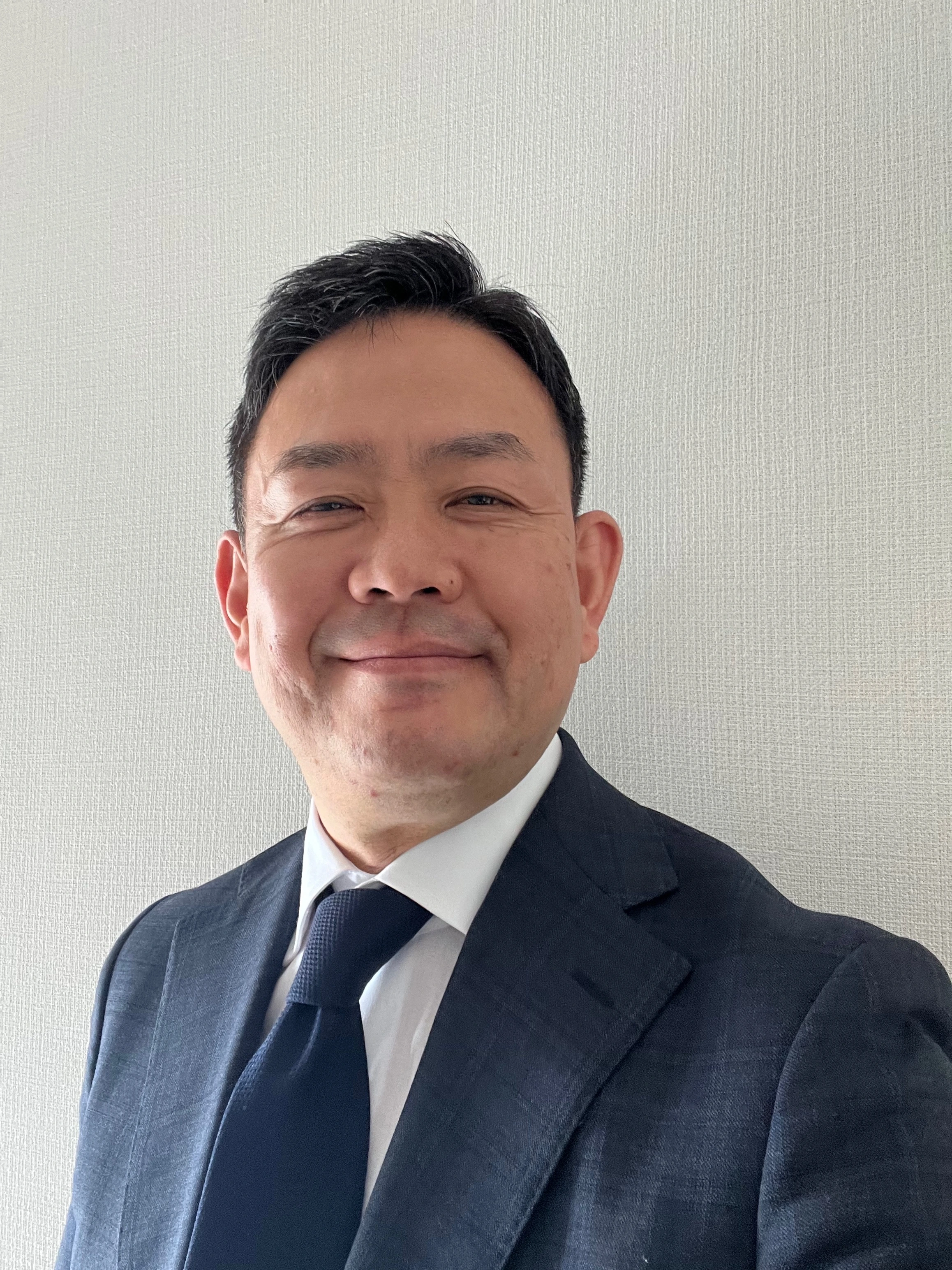
Author: Kenji Nishiyama (Certified Administrative Procedures Legal Specialist(Gyoseishoshi), Registration No.20081126)
Kenji Nishiyama is an Immigration and Visa Specialist who has supported many foreign residents with visa applications in Japan. On his firm’s website, he publishes daily updates and practical insights on immigration and residency procedures. He is also well-versed in foreign employment matters and serves as an advisor to companies that employ non-Japanese workers.