[Blog]Significance of the 2026 Amendment to the Gyoseishoshi Act and Key Compliance Points for Registered Support Organizations Handling Immigration Procedures
2025-12-11
The amendment to the Gyoseishoshi (Administrative Scrivener) Act, coming into force on January 1, 2026, explicitly clarifies that “persons who are not Gyoseishoshi or Gyoseishoshi corporations may not, under any designation or pretext, perform for compensation and as a business the services stipulated in Article 1-3 of the Act.” Although providing compensated administrative-procedure services by non-licensed individuals has always been prohibited, the revised wording reinforces this principle in a way that eliminates ambiguity and strengthens regulatory enforcement. This amendment signals the government’s firm intention to close loopholes that have been exploited in practice, thereby improving both procedural integrity and protection for applicants.
■ Background: Increasing Issues with Unlicensed Administrative Procedure Services
In recent years, especially in fields such as immigration applications, construction business permits, and subsidy programs, various non-licensed operators have provided de facto administrative procedure services under labels such as “consulting,” “support,” or “documentation assistance.” Although these acts were already prohibited, some operators argued that their services did not constitute Gyoseishoshi work because of differences in terminology or the type of compensation they received. The 2026 amendment responds to this problem by clearly stating that the prohibition applies “regardless of the name or pretext,” effectively blocking attempts to evade regulation by altering how services are described or how fees are collected.
■ Reinforcing the Role of Licensed Gyoseishoshi and Protecting Applicants
Gyoseishoshi are licensed professionals responsible for ensuring the accuracy and lawfulness of administrative procedures. Their work is regulated through obligations such as confidentiality, conduct requirements, and disciplinary systems, all of which function to protect clients. By contrast, unlicensed “support providers” operate outside any comparable regulatory structure. This has resulted in recurring problems, including false applications, incomplete filings, payment disputes, and even applications being withdrawn without the applicant’s full understanding. The amendment strengthens consumer protection by reaffirming that only qualified professionals may offer compensated administrative document preparation and related services.
■ Why Registered Support Organizations Should Pay Special Attention
Registered Support Organizations (RSOs) under the Specified Skilled Worker system sometimes assume that their support role naturally includes immigration assistance, but this is incorrect. Although RSOs can, under certain conditions, become certified immigration application proxies, the law strictly requires that support services and application services be separated both contractually and operationally. The revised Gyoseishoshi Act reinforces that RSOs must not perform administrative documentation or proxy work for compensation unless they are themselves licensed Gyoseishoshi or are working in partnership with one.
■ Specific Compliance Points for Registered Support Organizations
(1) Do not prepare immigration documents for compensation. Even “helping” an applicant fill in forms becomes illegal if the assistance effectively substitutes for document creation or legal judgment. Signing on behalf of applicants, editing the substantive content of an application, or instructing them on legal positions all risk constituting unauthorized Gyoseishoshi work.
(2) Do not include administrative-procedure services within support contracts. RSOs should avoid contractual language such as “application preparation support,” “change-of-status procedure assistance,” or similar wording. If administrative-procedure services are needed, they must be contracted separately through a licensed Gyoseishoshi or Gyoseishoshi corporation.
(3) Avoid providing legal interpretations or procedural strategies for compensation. Advising on which visa category to apply for, how to structure an employment contract for immigration approval, or how to respond to a deficiency notice from the Immigration Services Agency are all tasks that fall squarely within the Gyoseishoshi’s exclusive domain.
(4) For certified application proxies (取次者), strictly comply with the defined scope of proxy authority. Even when an RSO staff member becomes a certified proxy, their authority is limited to submitting documents and communicating certain matters. The responsibility for preparing the documents themselves and ensuring their accuracy remains with the applicant or a licensed Gyoseishoshi. RSOs must not blur these boundaries.
■ Conclusion: The 2026 Amendment Requires RSOs to Reaffirm and Clearly Separate Their Roles
The amendment to the Gyoseishoshi Act is more than a technical clarification—it is an explicit policy statement aimed at eliminating unauthorized administrative-services businesses and protecting applicants from unregulated and potentially harmful actors. For Registered Support Organizations involved in the Specified Skilled Worker system, the amendment demands a renewed focus on compliance: reviewing contracts, clarifying service boundaries, reformulating workflows, and avoiding any activity that may be interpreted as compensated administrative document preparation. By maintaining clear separation between support and administrative services, RSOs can strengthen their credibility, contribute to the sound operation of the SSW system, and ensure that foreign workers and employers receive legally compliant and reliable support. Ultimately, the amendment enhances fairness, improves procedural quality, and safeguards the integrity of Japan’s administrative system.
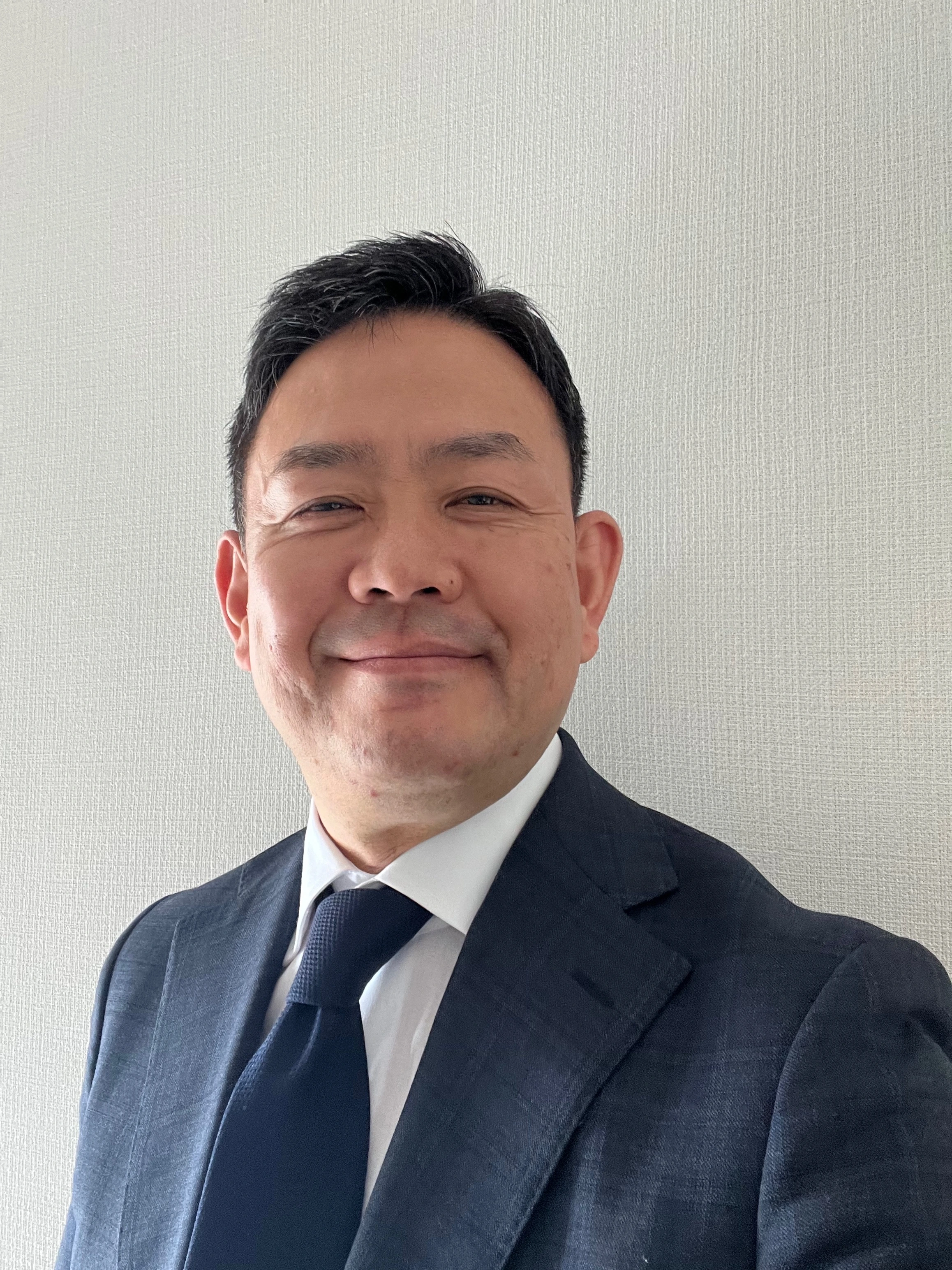
Author: Kenji Nishiyama (Certified Administrative Procedures Legal Specialist(Gyoseishoshi), Registration No.20081126)
Kenji Nishiyama is an Immigration and Visa Specialist who has supported many foreign residents with visa applications in Japan. On his firm’s website, he publishes daily updates and practical insights on immigration and residency procedures. He is also well-versed in foreign employment matters and serves as an advisor to companies that employ non-Japanese workers.