[Blog]How Registered Support Organizations Can Use Microlearning to Help Achieve Specified Skilled Worker (ii) Status
2025-12-15
Supporting Busy Specified Skilled Workers Facing Language Barriers: How Registered Support Organizations Can Use Microlearning to Help Achieve Specified Skilled Worker (ii) Status
As previously announced in an update published by Nishiyama Immigration Service (read more here), this article explains a concrete and practical approach for Registered Support Organizations to assist foreign workers in obtaining Specified Skilled Worker (ii) status. At the center of this proposal is microlearning. For Specified Skilled Workers who are busy with demanding jobs and who must study in Japanese, which is not their first language, microlearning offers a realistic and sustainable way to continue learning.
Moving from Specified Skilled Worker (i) to (ii) brings important benefits. For foreign workers, it provides greater stability of residence and clearer long-term prospects in Japan. For host companies, it helps retain experienced workers and develop reliable on-site leaders. However, the evaluation exams required for Specified Skilled Worker (ii) cover a wide range of topics and include technical language that can be difficult to master. Without an appropriate learning structure, even motivated workers may struggle to continue studying. This is why learning support tailored to real working conditions is becoming increasingly important.
The Real Challenges: Limited Time and Studying in a Second Language
Most Specified Skilled Workers work in environments that involve shift work, physically demanding tasks, and seasonal busy periods. Finding long, uninterrupted study time on weekdays is difficult, and weekends are often used for rest, daily tasks, or communication with family. In reality, the idea of setting aside large blocks of time to study regularly is not practical for many workers. This is not due to a lack of motivation, but rather the structure of everyday life.
In addition, studying in Japanese places an extra burden on learners. Exam preparation materials often contain abstract explanations and industry-specific terms. As the amount of reading increases, so does fatigue, and learners may feel they understand the content without being able to apply it effectively in exam questions. The challenge, therefore, is not effort, but finding a learning method that reduces language strain while focusing on what truly matters for the exam.
What Is Microlearning?
Microlearning is a learning approach that divides content into very small units, usually designed to be completed in just a few minutes. It is especially suitable for smartphone-based learning and allows learners to make use of short breaks, commuting time, or other small gaps during the day. Importantly, microlearning does not mean shallow learning. By repeating short, focused lessons, learners can gradually build and reinforce their understanding.
Preparation for Specified Skilled Worker (ii) status requires steady accumulation of knowledge, including understanding of rules and systems, workplace safety, quality control, process management, and leadership awareness. Microlearning allows these topics to be separated into manageable themes, making it easier for learners to continue studying without feeling overwhelmed.
Why Microlearning Works Well for Specified Skilled Workers
First, short learning units make it much easier to start studying. One of the biggest obstacles to continued learning is the mental burden of beginning a long or complex task. When a lesson can be completed in just a few minutes, learners are more likely to take the first step. Small achievements, repeated regularly, help build confidence and motivation.
Second, microlearning helps reduce the burden of studying in Japanese. Instead of requiring learners to read long explanations, it focuses attention on key terms and essential concepts. Through repetition, learners can understand what specific terms mean and how they are used in practice. This approach emphasizes clarity and understanding rather than sheer reading volume.
Third, microlearning supports practical exam preparation. When studying in a second language, learners may feel they understand the material, but still struggle with exam-style questions and subtle differences in wording. Short cycles of questions and explanations help learners organize their knowledge in a way that is directly useful for exams, leading to more stable results.
The Changing Role of Registered Support Organizations
The role of Registered Support Organizations is gradually expanding. In addition to daily life support and consultation services, they are now expected to support the long-term growth of foreign workers. Helping workers prepare for Specified Skilled Worker (ii) status is a natural extension of this role. For host companies, knowing that such support is available can increase confidence in long-term employment and workforce planning.
Learning support also benefits from being visible. When learning progress can be clearly shown, support becomes more concrete. Registered Support Organizations can provide timely advice, and explanations to host companies become easier and more convincing. In an environment where accountability is increasingly important, support that can be clearly demonstrated is a strong advantage.
Nishiyama Immigration Service’s Initiative: Microlearning-Based Sample Questions
Nishiyama Immigration Service is currently developing a new feature within its website creation service for Registered Support Organizations, available at NGJ INFO. This feature will include sample questions for Specified Skilled Worker (ii) evaluation exams, designed using a microlearning approach. The goal is to help Registered Support Organizations clearly present learning support as part of their official services.
The planned feature focuses on short, theme-based question units that can be completed quickly. Rather than simply offering a collection of questions, it emphasizes explanations that highlight key vocabulary, common misunderstandings, and connections to real workplace situations. By repeating short learning cycles, the system is designed to be easy to use in busy work environments and accessible for learners studying in Japanese.
Planned Release and Future Outlook
This new feature is scheduled for release early next year. By introducing a clear and practical learning support system on their own websites, Registered Support Organizations can strengthen trust with both host companies and foreign workers. Instead of only explaining requirements, they can show a clear pathway toward exam preparation and success.
Supporting the transition to Specified Skilled Worker (ii) status is not about ideal theories, but about practical design. By acknowledging busy schedules and language challenges, microlearning offers a flexible and effective solution. Nishiyama Immigration Service will continue working together with Registered Support Organizations to develop support models that connect制度 with real workplace needs. We look forward to sharing further updates in the near future.
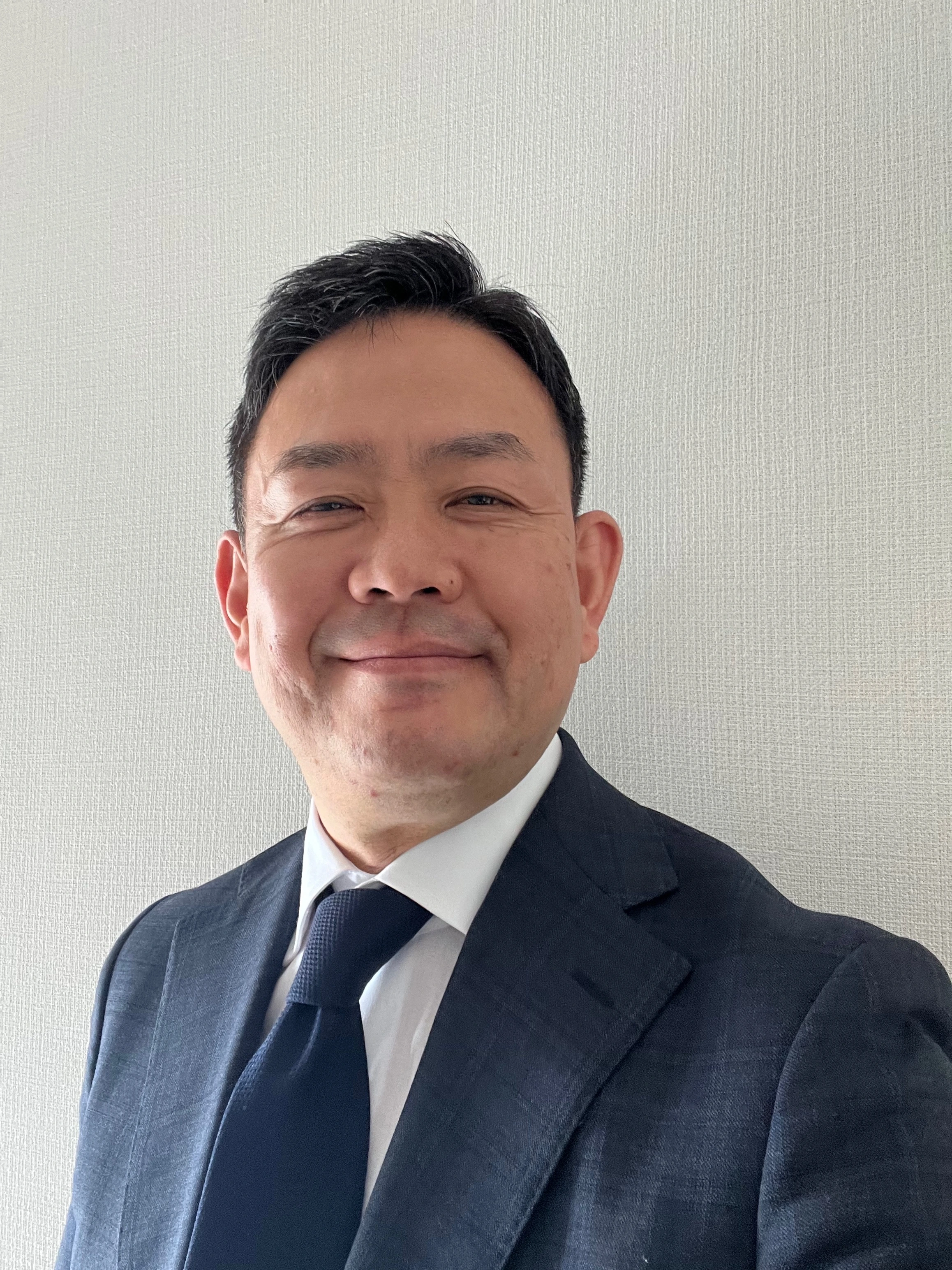
Author: Kenji Nishiyama (Certified Administrative Procedures Legal Specialist(Gyoseishoshi), Registration No.20081126)
Kenji Nishiyama is an Immigration and Visa Specialist who has supported many foreign residents with visa applications in Japan. On his firm’s website, he publishes daily updates and practical insights on immigration and residency procedures. He is also well-versed in foreign employment matters and serves as an advisor to companies that employ non-Japanese workers.