[Blog]How Registered Support Organizations Can Differentiate Themselves—The Key Role of Specified Skilled Worker (SSW) No.2 Support
2025-12-13
As introduced in this article on our website, the government has now made it even clearer that registered support organizations are prohibited from receiving compensation for immigration application-related services. This formalizes a boundary that has long been ambiguous—the boundary between “application preparation/filing” and “support for foreign workers’ daily life and employment conditions.” As the line becomes more explicit, registered support organizations will inevitably shift from being valued for “handling visa paperwork” to being selected based on “the quality and substance of the support services they provide.”
A Shift Toward Being Chosen for “Support,” Not Immigration Applications
Until now, many registered support organizations gained trust from accepting companies by assisting, in practice, with Certificate of Eligibility applications or change of status applications for Specified Skilled Workers. However, immigration application filing is legally the exclusive domain of licensed professionals such as administrative scriveners (gyoseishoshi) or attorneys. Receiving compensation for such activities as a registered support organization is not permitted, and this principle will now be enforced more explicitly. As a result, the legitimate grounds on which registered support organizations may receive payment will be limited almost entirely to “pure support services.”
For accepting companies, this means that the appeal of “they will take care of all our visa paperwork” can no longer be relied on as a differentiator. Instead, the deciding factors will be: “Does this support organization help us develop foreign workers as long-term contributors?” and “Do they help create conditions where workers can build sustainable careers and remain with us?” Competition among support organizations will shift from administrative skill to the sophistication and strategic value of their support programs.
The Key to Differentiation: Supporting the Path to SSW No.2
So where should registered support organizations focus to differentiate themselves? One particularly important area is support for workers aiming to obtain Specified Skilled Worker (SSW) No.2 status. When the SSW制度 began, many believed that most workers would complete five years under SSW No.1 and leave. SSW No.2 was considered a niche pathway. But as the制度 evolves, the ability to help workers progress to SSW No.2 is becoming critical for workforce retention and long-term HR planning.
SSW No.2 allows workers to stay in Japan indefinitely with no maximum renewal limit and to bring their families. For workers, it represents a pathway to build a stable life in Japan. For companies, it provides the ability to invest long-term in skilled foreign personnel who can grow into leadership positions. Without a strategy toward SSW No.2, companies risk losing trained workers just as they become valuable. Registered support organizations are uniquely positioned to bridge this gap.
Learning Support for the No.2 Skill Assessment Test: A New Area of Support
To transition to SSW No.2, workers must pass the designated Skill Assessment Test for their field. Even workers with solid on-the-job experience often struggle to study independently because the test materials are technical and written in Japanese. Balancing full-time work with structured study is especially difficult. This is where registered support organizations can create tremendous added value.
Possible support initiatives include: preparing simplified multilingual summaries of test scopes, holding online study sessions tailored to shift schedules, offering quizzes and mock exams, designing individualized study plans based on Japanese language proficiency, and training site supervisors on how to assist workers preparing for the test. These activities are not immigration application work—they are genuine support services that directly align with the legal role of registered support organizations.
Making the Value Visible for Accepting Companies
SSW No.2 learning support also brings clear benefits to accepting companies. First, workers who obtain SSW No.2 can remain long-term, allowing companies to develop them into core human resources, including team leaders and OJT trainers. This reduces dependency on Japanese employees alone for supervisory roles. Second, offering a “career path toward SSW No.2” significantly strengthens recruitment competitiveness. Companies can advertise “SSW No.2 support available” and attract more motivated applicants.
Moreover, studying for the SSW No.2 exam improves workplace performance itself. Reviewing procedures, safety protocols, and technical knowledge as part of exam preparation naturally leads to fewer mistakes and a safer workplace. Thus, learning support is not merely test preparation—it organically elevates the quality of the entire worksite. A registered support organization capable of coordinating such improvements becomes an indispensable partner to accepting companies.
Next Article: Concrete Support Program Models
As we look ahead, it is clear that registered support organizations must differentiate themselves through “support services” rather than immigration paperwork. Among the various options, SSW No.2 qualification support—especially learning support for the No.2 Skill Assessment Test—is highly compatible with the needs of both foreign workers and accepting companies. Of course, the specific menu of services, level of effort required, and cost structure will depend on industry, company size, and the workers’ backgrounds.
In the next article, we will present concrete learning-support program models that registered support organizations can actually implement. These will include sector-specific examples for agriculture, food and beverage manufacturing, construction and more. Our goal is to offer practical, actionable proposals that you can adopt immediately.Please look forward to the next installment as we explore how registered support organizations can strategically navigate the coming years and build sustainable value in the SSW ecosystem.
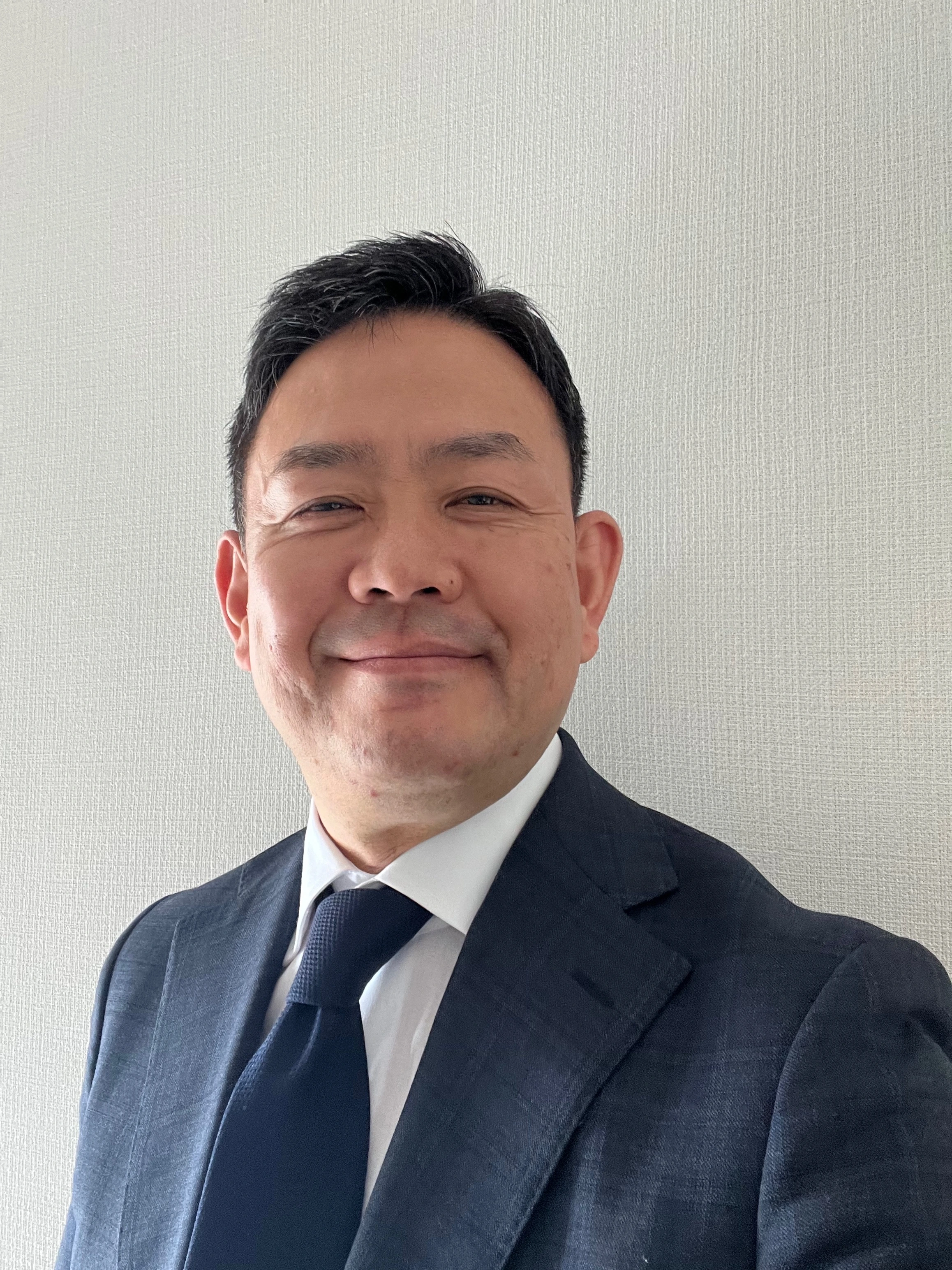
Author: Kenji Nishiyama (Certified Administrative Procedures Legal Specialist(Gyoseishoshi), Registration No.20081126)
Kenji Nishiyama is an Immigration and Visa Specialist who has supported many foreign residents with visa applications in Japan. On his firm’s website, he publishes daily updates and practical insights on immigration and residency procedures. He is also well-versed in foreign employment matters and serves as an advisor to companies that employ non-Japanese workers.