
[Blog]How Local Employers Can Prevent Specified Skilled Workers From Moving to Big Cities
2025-12-09
On the Nishiyama Immigration Service news page, the article “How can foreign workers be encouraged to stay? Why care workers are choosing to remain in Yamanashi despite fierce competition”(Yahoo News) introduces a real challenge faced across Japan: Specified Skilled Workers (SSWs) often transfer to big cities, attracted by higher wages and better conditions. At the same time, the article highlights a successful example—Yamanashi Medical Care Cooperative—which has achieved high retention by offering transparent pre-arrival information, improving living conditions, and providing strong Japanese-language and career support.
Because SSWs have greater job mobility, it is natural that some will compare offers and consider moving to major metropolitan areas. That is why the goal of local employers should not be to restrict mobility, but to create an environment where workers genuinely want to stay. This blog offers practical strategies for local employers seeking to reduce outflow and strengthen long-term retention.
1. Recruit people who are comfortable with rural life
The first step is choosing the right candidates. As the article notes, employers in Yamanashi share detailed videos and information about local life before arrival, attracting applicants who actually prefer quieter or nature-rich environments. During interviews, employers should proactively ask candidates about lifestyle preferences—“Do you enjoy quiet places?”, “Do you prefer city or countryside living?”—to ensure alignment with the local setting.
It is also helpful to brief sending organizations so they introduce candidates who understand what rural living entails. Sharing honest descriptions—e.g., “fewer shops but a peaceful environment,” or “a car or bicycle will make daily life easier”—helps match candidates who will thrive locally rather than those who simply “want to go to Japan.”
2. Reduce pre-arrival expectations gaps with clear information
Many workers leave rural regions simply because reality differed from what they imagined: fewer conveniences, limited public transport, or a quieter environment than expected. To prevent such mismatches, employers should provide concrete pre-arrival information: room layouts, commuting routes, local shops, seasonal weather conditions, and examples of weekend activities. Short videos or photo guides make expectations clearer.
Importantly, honesty builds trust. Employers should explain both advantages and inconveniences: “The rent is low and savings are easier, but nightlife is limited,” or “Winters are cold, so good heating is essential.” Accurate expectations reduce disappointment, which is one of the strongest drivers of relocation.
3. View investment in housing and daily life as retention strategy—not cost
The Yamanashi example shows that living conditions matter as much as wages. Although rural salaries often lag behind metropolitan levels, the total living experience can be more attractive if housing, privacy, and comfort are well supported. Private rooms, stable Wi-Fi, bicycles for commuting, comfortable heating/cooling, and safe neighborhoods can significantly improve satisfaction.
Younger workers especially value private space and online connectivity. “My room is spacious”, “I can relax after work”, and “I have reliable internet to connect with family and friends” are powerful retention factors that big-city employers may struggle to match due to higher housing costs.
4. Make career pathways visible and achievable
Another reason SSWs relocate is the perception that “my wage won’t increase” or “leadership positions are only for Japanese staff.” Employers can counter this by showing clear career pathways. Examples include timelines for promotion, stories of foreign staff who have become team leads, or compensation models that increase with skill and tenure.
Providing structured Japanese-language support, subsidizing exam fees, or partnering with schools for資格取得 (licenses) reinforces the message that staying locally supports long-term growth. Career visibility reduces the temptation to search elsewhere for advancement.
5. Reform workplace communication from the Japanese side
Retention is not only about money or housing. Interpersonal relationships are a major factor. Instead of placing all responsibility on foreign workers to improve their Japanese, employers should train Japanese staff to use “easy Japanese,” visual explanations, and patient communication styles. This lowers daily stress and improves teamwork.
Orientation programs for Japanese staff—covering cultural differences, communication tips, and mentoring roles—help foreign workers feel welcomed rather than tolerated. Assigning a consistent mentor who supports both work and daily-life questions further reduces isolation.
6. Explain rural–urban wage differences transparently
Since workers can compare offers nationwide, rural employers must present wage structures openly: why wages are set at current levels, how they increase, and how total disposable income compares with city life. Showing specific numbers—rent, utilities, commuting time, savings potential—helps create a realistic comparison.
Retention incentives that are not purely wage-based can also make a difference: long-term bonuses, driving school subsidies, assistance for family visits, or local community integration programs. These benefits communicate, “If you stay here, your life gets easier and more supported.”
7. Engage the whole community in making the region welcoming
No single employer can solve retention alone. Cooperative models—like the Yamanashi approach—allow multiple companies to share resources such as language classes, social events, housing management, and transportation. Collaboration with municipalities, international associations, and welfare councils creates an environment where workers feel like valued residents, not temporary outsiders.
Participation in community festivals, disaster-preparedness training, volunteer programs, or sports activities helps foreign workers form local bonds. Considering religion and dietary needs—such as locating halal-friendly shops or providing prayer spaces—strengthens belonging even further.
8. Accept mobility and focus on being a workplace chosen for its value
Finally, SSWs have legal freedom to change jobs. Trying to restrict movement fosters mistrust. Instead, employers should aim to build workplaces so supportive and attractive that workers choose to stay. This mindset shift is essential in a national labor market where SSWs are increasingly mobile.
The Yamanashi case shows that retention is not luck but design. Transparency, lifestyle support, fair treatment, Japanese-language and qualification assistance, and stronger local community ties all contribute to creating workplaces that compete through quality, not just wages.
As competition for foreign workers intensifies across Japan, rural employers must lean into their strengths: lower living costs, higher quality of life, closer communities, and personalized support. When these advantages are clearly communicated and consistently maintained, rural regions can become places where SSWs build stable and satisfying futures—without feeling the need to move to big cities.
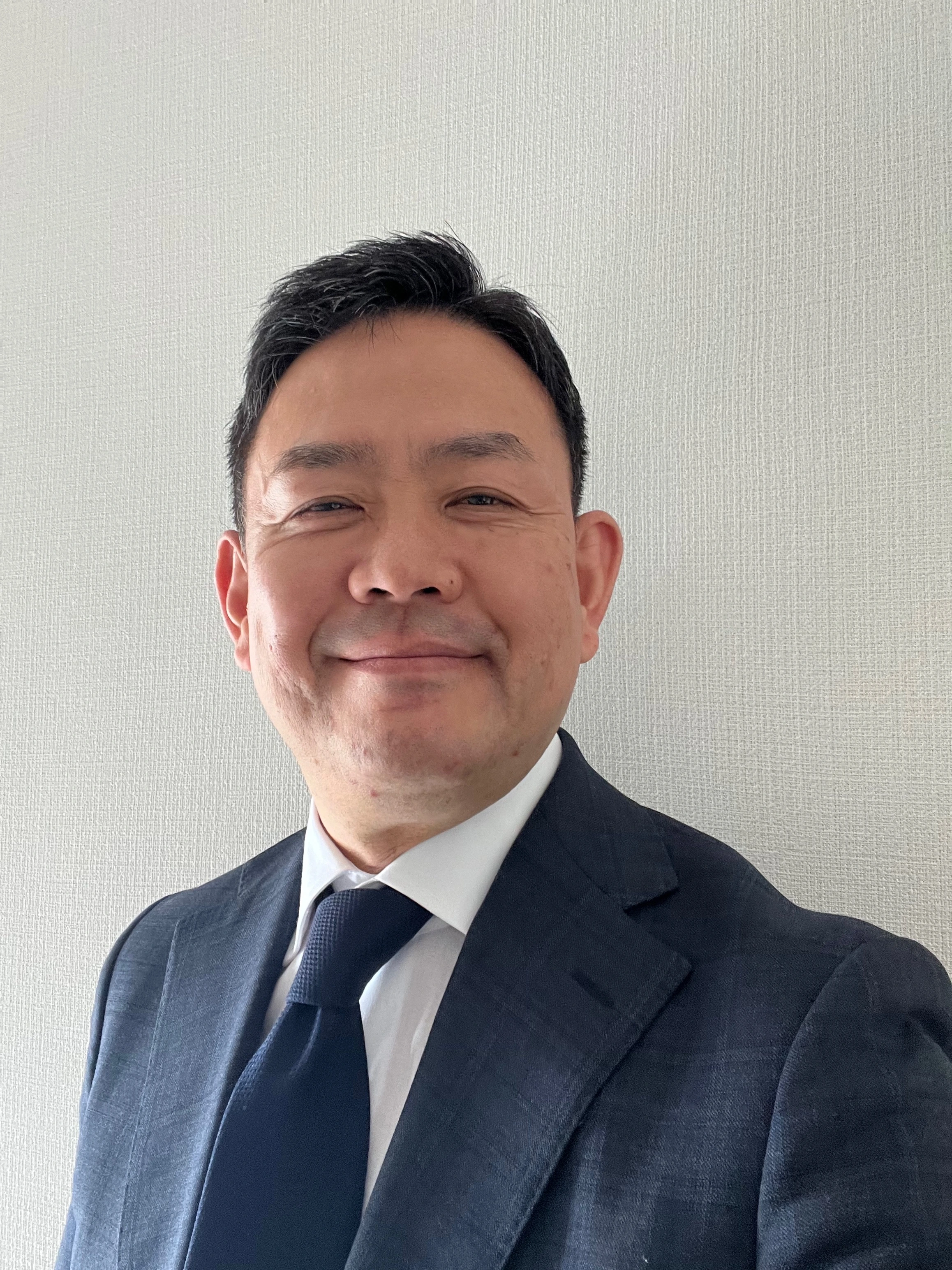
Author: Kenji Nishiyama (Certified Administrative Procedures Legal Specialist(Gyoseishoshi), Registration No.20081126)
Kenji Nishiyama is an Immigration and Visa Specialist who has supported many foreign residents with visa applications in Japan. On his firm’s website, he publishes daily updates and practical insights on immigration and residency procedures. He is also well-versed in foreign employment matters and serves as an advisor to companies that employ non-Japanese workers.