
[Blog]Understanding the Gap Between “I Want to Live in Japan” and Actual Residence Procedures
2025-11-15
This article follows the previous one: link.
Consultations Increasing Through Social Media
In recent years, I have received many inquiries through social media from individuals saying, “I want to work in Japan, what options do I have?”, “I have not chosen a school yet, but I want to study in Japan,” or “I am not in a relationship yet, but I want to marry and live in Japan.” These questions share a common characteristic: the desire to live in Japan exists first, while the legal basis for residence, which must be concrete and verifiable, is not yet in place.
Residence Procedures Require Concrete Facts, Not Abstract Hopes
Japan’s residence system is structured around specific purposes: working, studying, or living with family. Each requires clear documentation. Employment requires an employment contract and job description. Study requires admission from a school and proof of financial ability. Marriage requires an existing, genuine relationship and a shared life plan. When someone says, “I want to work, but I don’t have a job offer,” “I want to study, but I haven’t decided on a school,” or “I want to marry, but I don’t have a partner,” there is no legal basis upon which a residence status can be examined. As an administrative scrivener, I clearly decline such cases. Accepting them would risk leading the person toward false applications, visa denial, or even violation of immigration law.
Why “I Just Want to Live in Japan” Cannot Be Processed
Many of these inquiries stem from the simple desire to “try living in Japan.” However, Japan does not have a residence status designed for open-ended immigration. Every residence status exists to authorize specific activities, not the general act of residing. Without a clear purpose supported by documentation, one cannot even begin the application process. Therefore, I decline inquiries that are still at the level of abstract desire and advise individuals to return once their situation meets the legal and procedural requirements.
A Consistent Position: Japan Is Not a Country That Accepts Immigration Without Conditions
Some public discussions argue that Japan “claims to not accept immigrants, yet immigration is increasing and causing problems.” However, from the viewpoint of actual procedures, Japan has always maintained a system that permits residence only based on specific, verifiable purposes. In that sense, the position that Japan does not accept unlimited immigration is not a contradiction; it is completely consistent. The issue is not that the system is unclear, but that the difference between “immigration” as a broad idea and “residence qualification” as a legal status is not always well understood.
Clarifying the Key Terms
A “visa” is permission to request entry at the border. A “residence status” defines what activity a person is permitted to engage in while in Japan. Work authorization depends on job duties and employment conditions. Study authorization depends on educational plans and financial support. Marriage-based residence depends on the authenticity and continuity of the relationship. These are not discretionary preferences — they are legal requirements supported by documentation.
Why I Decline Requests That Are Not Yet Ready
Turning away inquiries that lack the necessary foundations is not coldness; it is a protective measure. Proceeding without proper basis can lead to application denial, difficulty obtaining visas in the future, or even deportation. I support applicants most effectively when their situation is grounded in reality and can be demonstrated clearly through evidence.
When Consultation Becomes Meaningful
Once the person has a concrete purpose — an employment offer, an admission notice, or an established relationship — I am able to provide precise and lawful support. At that point, application planning, document preparation, and procedural representation can move forward efficiently and correctly.
Conclusion
The desire to live in Japan is understandable and meaningful. However, for that desire to become a lawful and sustainable reality, it must be translated into a specific purpose and supported by clear documentation. My role is not to encourage expectations that the system cannot support, but to guide individuals through accurate steps once their situation genuinely meets the legal framework.
For those preparing to take the next step, I welcome consultations once the requirements are ready to be discussed and documented.
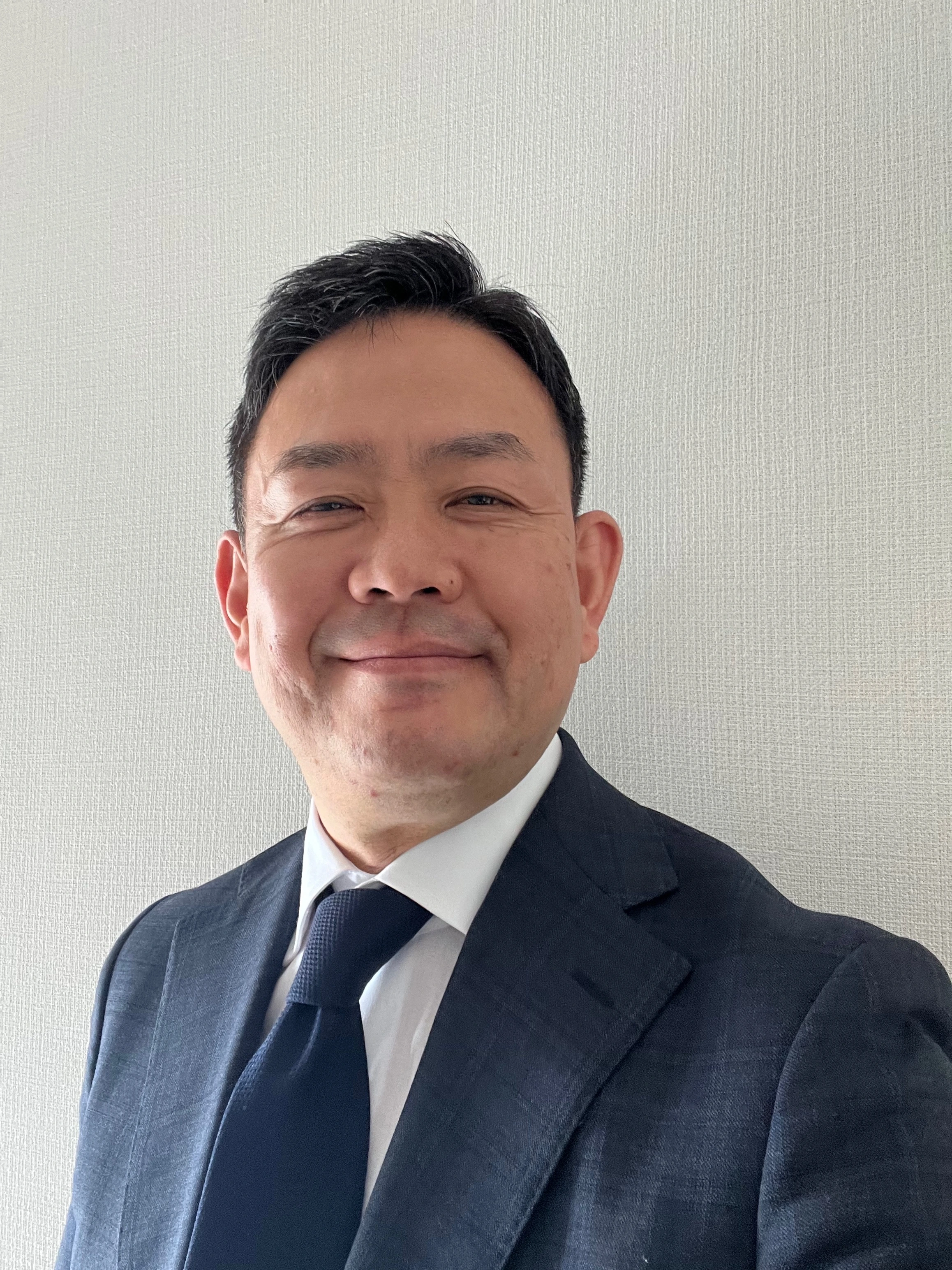
Author: Kenji Nishiyama (Certified Administrative Procedures Legal Specialist(Gyoseishoshi), Registration No.20081126)
Kenji Nishiyama is an Immigration and Visa Specialist who has supported many foreign residents with visa applications in Japan. On his firm’s website, he publishes daily updates and practical insights on immigration and residency procedures. He is also well-versed in foreign employment matters and serves as an advisor to companies that employ non-Japanese workers.