[Blog]Fair Labour Migration in ASEAN: ILO Partnership and BCM Alignment
2026-10-29
A New International Partnership Led by the ILO, Australia, and Switzerland
On October 14, 2026, the International Labour Organization (ILO), with support from the governments of Australia and Switzerland, announced a new initiative to promote fair and effective labour migration across ASEAN. The programme, titled "TRIANGLE Partnerships for Fair and Effective Labour Migration in ASEAN," was launched in conjunction with the 19th ASEAN Forum on Migrant Labour in Manila, the Philippines. With approximately US$20 million in funding over five years, from 2026 to 2031, the initiative seeks to strengthen migrant workers' rights, improve skills development, expand access to social protection, and promote fair employment opportunities. Original article: ILO, Australia and Switzerland Launch Partnership for Fair and Effective Labour Migration in ASEAN.
Structural Challenges Facing Labour Migration in ASEAN
According to the ILO, approximately 24 million international migrants originate from ASEAN countries, while around 11 million migrants reside within the region. Of these, approximately 7 million have moved between ASEAN countries. Although cross-border labour mobility contributes significantly to economic development and helps address labour shortages, it also presents persistent structural challenges. These include excessive recruitment fees, inadequate labour protection, unsafe working conditions, and limited recognition of skills and qualifications across national borders. Migrant workers who incur substantial debts before departure are particularly vulnerable to exploitation and forced labour. Such problems cannot be adequately addressed if migration systems are designed primarily to supply workers to labour-deficient economies.
Five Key Policy Areas of the TRIANGLE Partnerships Programme
The initiative focuses on five interconnected policy areas: fair recruitment and regular migration pathways; skills development, assessment, and mutual recognition; social protection and portability of benefits; labour protection and decent work; and sustainable return and reintegration. The programme covers eight countries: Cambodia, Indonesia, Laos, Malaysia, Myanmar, the Philippines, Thailand, and Timor-Leste. It seeks to connect regional policy cooperation with national institutional reforms and practical support for migrant workers. Through migrant worker resource centres and related services, the initiative also aims to improve access to information, counselling, legal assistance, and vocational training. Its significance lies not merely in establishing policy principles but in developing mechanisms that workers can actually use.
First Connection with the Balanced Coexistence Model: Balancing Benefits and Burdens
This international initiative shares important principles with the Balanced Coexistence Model (BCM), a framework I have proposed for examining the sustainability of migration and coexistence. The BCM argues that foreign labour policies should not be evaluated solely in terms of economic benefits or labour supply. Instead, they must consider how benefits, costs, rights, and responsibilities are distributed among receiving countries, sending countries, migrant workers, employers, and local communities. Even when receiving countries successfully address labour shortages and businesses secure necessary personnel, a system cannot be considered sustainable if migrant workers disproportionately bear the financial and social costs. By integrating fair recruitment, labour protection, and social security, the ILO initiative represents a meaningful effort to correct these structural imbalances.
Second Connection: Linking the Responsibilities of Sending and Receiving Countries
Immigration policy discussions often concentrate on residence permits, employment regulations, and integration measures in destination countries. However, labour migration is a continuous process encompassing recruitment, training, contractual arrangements, departure, employment, job mobility, return, and reintegration. If recruitment practices in sending countries impose excessive costs or create dependency, protective measures introduced only after arrival cannot fully resolve the problem. From the BCM perspective, sending and receiving countries must fulfil complementary responsibilities through institutional cooperation, information sharing, and coordinated oversight. The TRIANGLE Partnerships programme is particularly relevant because it seeks to connect regional cooperation, national institutions, and practical implementation. This multilevel approach closely corresponds to the BCM's emphasis on shared responsibility across the entire migration process.
Third Connection: Labour Migration as Human Capital Development
One particularly important feature of the initiative is its emphasis on skills development and mutual recognition of qualifications. When migrant workers acquire valuable experience abroad but cannot obtain recognition for those skills upon returning home, the long-term benefits of migration are diminished. Under the Balanced Coexistence Model, skills acquired through international employment should contribute not only to productivity in receiving countries but also to industrial development and economic opportunities in sending countries. Internationally compatible skills assessment systems can expand workers' career choices and potentially reduce excessive dependence on individual employers. This approach encourages a transition from treating migrant workers as temporary solutions to labour shortages toward recognising international labour mobility as a mechanism for sustainable human capital development.
Fourth Connection: Continuity of Social Protection Across Borders
The portability of social protection is another area of strong alignment with the BCM. If migrant workers lose accumulated benefits or social security entitlements whenever they cross national borders, their freedom of movement may remain largely theoretical. Bilateral social security agreements and institutional coordination can help preserve rights while distributing responsibilities more appropriately among workers, families, sending countries, and receiving countries. Nevertheless, sustainable social protection also requires careful consideration of financial contributions, eligibility requirements, and administrative capacity. Balanced coexistence does not mean expanding benefits without limitations. Rather, it requires designing systems that protect legitimate rights while maintaining financial and institutional sustainability.
Implications for Japan's Foreign Labour Policies
Japan is also undergoing major changes in its foreign labour policies, including the expansion of the Specified Skilled Worker system and the scheduled introduction of the Employment for Skill Development system in April 2027. However, policy reform should extend beyond admission quotas and residence status requirements. Recruitment costs in sending countries, skills assessment, effective job mobility, access to consultation services, and career opportunities after return should be considered as interconnected elements. If the new Employment for Skill Development system genuinely aims to develop human resources, the skills acquired by workers must have lasting professional value. Similarly, support provided by employers and registered support organisations should be evaluated not merely through administrative records but also through whether foreign workers can meaningfully exercise their rights and access necessary assistance.
Implementation and Evaluation: Remaining Challenges from the BCM Perspective
Nevertheless, the ILO initiative and the Balanced Coexistence Model are not identical. The TRIANGLE Partnerships programme primarily focuses on fair labour migration, migrant protection, and international cooperation. The BCM adopts a broader analytical perspective that also considers admission capacity, local community conditions, administrative burdens, and long-term institutional sustainability. The critical question is whether policy commitments produce measurable improvements in practice. Relevant indicators could include reductions in recruitment costs, recognition of acquired skills, access to dispute resolution, social protection coverage, and employment outcomes following return. From the BCM perspective, these indicators should be complemented by assessments of the effects of migration on local public services, administrative capacity, employers, and receiving communities. Without continuous evaluation and institutional adjustment, even well-designed migration policies may fail to achieve a sustainable balance.
Conclusion: From Labour Supply Management to Sustainable Coexistence
The partnership launched by the ILO, Australia, and Switzerland represents an important effort to redefine labour migration as more than a mechanism for matching labour supply with economic demand. By addressing workers' rights, skills development, social protection, and international cooperation together, the initiative recognises migration as a complex institutional process involving multiple countries and stakeholders. This approach shares substantial common ground with the Balanced Coexistence Model, which seeks sustainable coexistence through a fair distribution of benefits, burdens, rights, and responsibilities. However, principles alone cannot establish equilibrium. Policymakers must identify who benefits from migration, who bears its costs, who is responsible when problems arise, and how outcomes can be independently evaluated. For Japan, the central challenge is not simply whether to increase or restrict foreign worker admissions. It is to develop a migration system in which workers, employers, local communities, and sending countries can all achieve sustainable benefits. The new ASEAN partnership provides a valuable opportunity to examine how such an approach might be translated into practical institutional design.
References: ILO Official Announcement (October 14, 2026) / TRIANGLE Partnerships Programme Overview
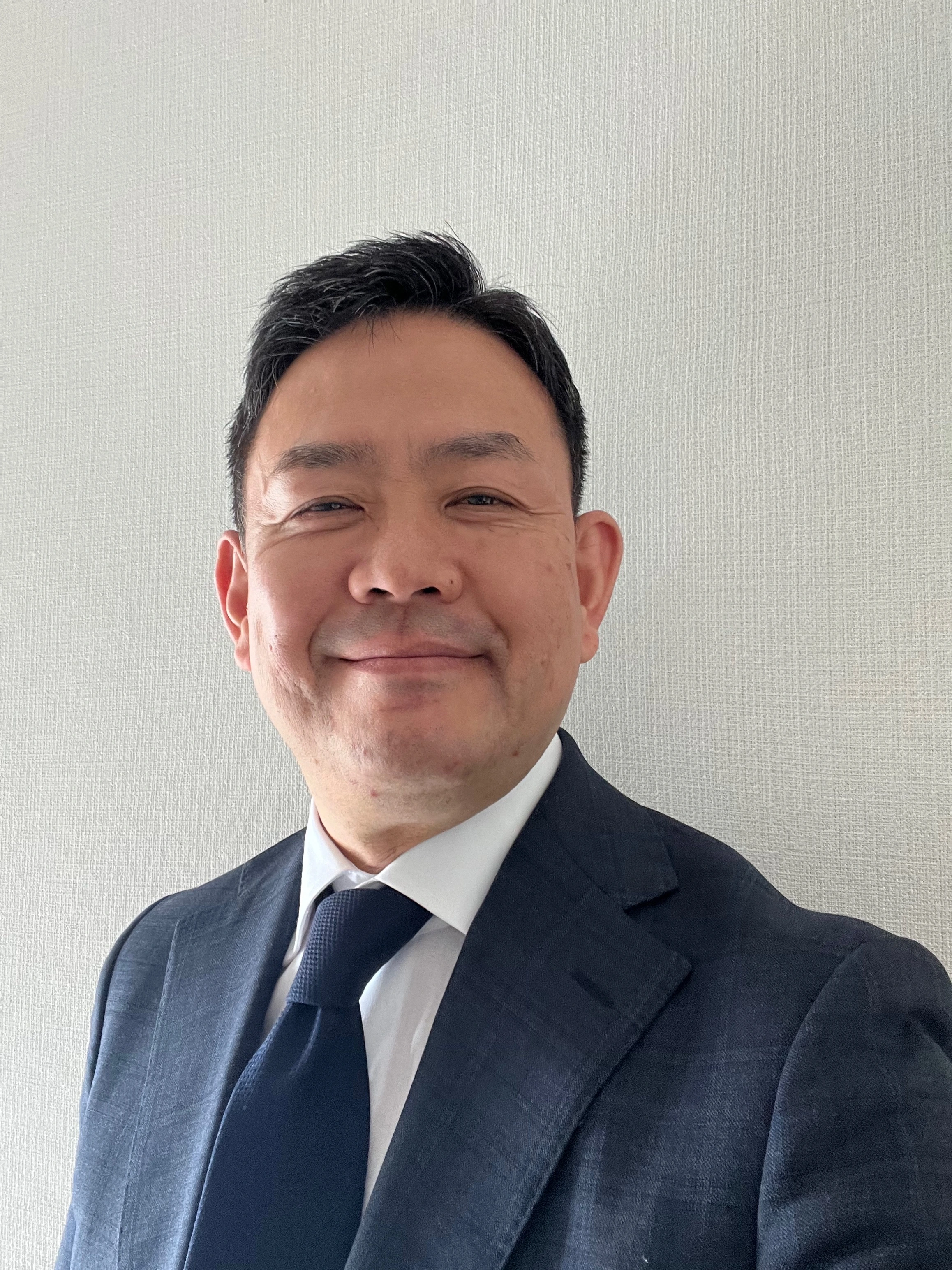
Author: Kenji Nishiyama (Certified Administrative Procedures Legal Specialist(Gyoseishoshi), Registration No.20081126)
Kenji Nishiyama is an Immigration and Visa Specialist who has supported many foreign residents with visa applications in Japan. On his firm’s website, he publishes daily updates and practical insights on immigration and residency procedures. He is also well-versed in foreign employment matters and serves as an advisor to companies that employ non-Japanese workers.