[Blog]Egypt’s Fair Recruitment Reform: Building Sustainable International Labour Mobility Through the Balanced Coexistence Model
2026-10-24
Egypt Introduces Standard Operating Procedures for Overseas Employment
In October 2026, Mirage.News reported that Egypt had introduced Standard Operating Procedures (SOPs) to promote fair recruitment and protect the rights of Egyptian nationals seeking employment abroad. Developed through cooperation between Egypt’s Ministry of Labour and the International Labour Organization (ILO), with support from the European Union-funded THAMM Plus programme, the initiative aims to establish a more transparent, consistent, and accountable framework for international labour migration. Rather than focusing solely on facilitating overseas employment, the reform seeks to strengthen institutional safeguards throughout the migration process. Source: Egypt Launches Fair Recruitment Procedures for Overseas Jobs
Integrating Recruitment, Worker Protection, and Complaint Resolution
The new SOPs address four major areas: identifying overseas employment opportunities, providing support to workers before departure and during overseas employment, regulating and supervising private recruitment agencies, and handling complaints concerning recruitment agencies and employers. By defining procedures, institutional responsibilities, standard documentation, and operational workflows, the framework seeks to ensure consistent administrative practices. Particularly significant is its recognition that institutional responsibility does not end when a worker secures employment abroad. Worker protection must continue throughout the employment relationship, including access to effective remedies when problems arise. This approach treats fair recruitment not merely as an ethical obligation of individual agencies but as a responsibility requiring continuous public oversight.
Institutional Balance Under the Balanced Coexistence Model
Egypt’s initiative shares important principles with the Balanced Coexistence Model (BCM), a framework proposed by the author for designing sustainable systems of international migration and social integration. BCM views foreign labour migration not simply as a mechanism for addressing labour shortages or controlling immigration status, but as a process requiring an appropriate balance of rights, interests, and responsibilities among governments, employers, migrants, and host communities. The benefits and burdens of migration are not necessarily distributed equally. Recruitment agencies and employers may benefit economically while migrant workers bear excessive recruitment fees, financial risks, and uncertainty about employment conditions. Such arrangements create structural imbalances. Egypt’s effort to standardise administrative procedures and strengthen recruitment oversight represents a practical step towards correcting these imbalances through institutional governance.
Countries of Origin Must Share Responsibility for Worker Protection
The protection of migrant workers is frequently discussed primarily in terms of the labour laws and immigration systems of destination countries. However, international labour migration begins long before a worker crosses a border. Recruitment, employment negotiations, contractual arrangements, and departure preparations generally take place in the country of origin. Even where destination countries maintain strong labour protections, workers may remain vulnerable if they have already incurred excessive debts or received misleading information before departure. By incorporating recruitment agency supervision and complaint-handling procedures into its administrative framework, Egypt acknowledges that countries of origin have an essential role in protecting their citizens. From the BCM perspective, sustainable migration governance requires an integrated system of responsibility extending across both origin and destination countries.
Fair Recruitment as the Foundation of Social Integration
Fair recruitment and social integration should not be treated as separate policy objectives. Migrant workers who incur substantial debts to obtain employment abroad may find it difficult to leave exploitative jobs or exercise their legal rights. Excessive dependence on employers can undermine personal autonomy, economic stability, and participation in local communities. Conversely, transparent recruitment conditions, accessible information, and effective complaint mechanisms allow migrants to make informed decisions about their employment and lives. BCM defines coexistence not merely as the physical presence of foreign nationals within a society, but as their meaningful participation as individuals who understand and can exercise their rights and responsibilities. From this perspective, social integration begins during recruitment, rather than only after arrival through language education or settlement assistance.
Administrative Standardisation and Explainable Governance
Another important feature of Egypt’s reform is the standardisation of administrative procedures. By clarifying institutional responsibilities, required documentation, and operational sequences, SOPs can reduce inconsistencies arising from individual administrative practices. Standardisation can also improve accountability and make administrative decisions easier to understand and evaluate. Within BCM, public confidence depends partly on whether administrative decisions can be explained through identifiable rules, procedures, and responsibilities. Standard operating procedures do not eliminate administrative discretion, nor should they necessarily do so. Instead, they provide a procedural framework within which discretion can be exercised more consistently and transparently. For workers and recruitment agencies alike, clearer procedures can improve predictability and access to available remedies.
The Potential for RegTech and Cross-Border Information Sharing
The SOPs also provide a possible foundation for future digitalisation and regulatory technology, commonly referred to as RegTech. Standardised administrative workflows can support electronic applications, verification of employment contracts, monitoring of recruitment agencies, and digital tracking of complaints. These developments are consistent with BCM’s emphasis on using technology to improve institutional coordination and administrative accountability. However, the introduction of SOPs should not be confused with the implementation of an integrated cross-border digital information system. Such infrastructure represents a potential future development rather than an established outcome of the Egyptian reform. If countries of origin and destination could securely exchange necessary information concerning employment conditions, recruitment fees, and worker protection, while respecting privacy and data protection requirements, international migration governance could become more transparent and effective.
Implications for Japan’s Foreign Labour Policy
Egypt’s experience offers important lessons for Japan, which is preparing to replace its Technical Intern Training Programme with the Employment for Skill Development Programme while continuing to operate the Specified Skilled Worker system. Strengthening the responsibilities of Japanese employers and Registered Support Organisations is important, but domestic regulation alone cannot resolve problems originating during recruitment abroad. Recruitment fees, intermediary arrangements, employment contract explanations, and workers’ understanding of their rights require cooperation with authorities and recruitment organisations in countries of origin. Effective protection also requires coordination when disputes emerge after arrival in Japan. Rather than viewing bilateral cooperation primarily as a means of securing foreign workers, Japan could develop it into a shared institutional framework for protecting migrants throughout the employment process. This would more closely reflect BCM’s principle that the benefits of international labour mobility should be accompanied by appropriately distributed responsibilities.
Distinguishing Institutional Design from Effective Implementation
Nevertheless, the introduction of standard operating procedures does not automatically guarantee fair recruitment. Their effectiveness depends on administrative capacity, staff training, meaningful supervision of recruitment agencies, accessible complaint mechanisms, and enforceable corrective measures. Workers must also be able to raise complaints without facing retaliation or other disadvantages. Furthermore, countries of origin may encounter jurisdictional and practical limitations when attempting to resolve employment disputes occurring abroad. BCM therefore emphasises the distinction between formal institutional arrangements and their actual implementation. Governments should evaluate outcomes through indicators such as recruitment costs borne by workers, complaint resolution times, access to remedies, and workers’ experiences. Continuous monitoring and institutional adjustment are necessary to ensure that procedural reforms produce tangible improvements in migrant protection.
From Migration Management to Sustainable Coexistence
Egypt’s reform illustrates that expanding international labour mobility and protecting migrant workers are not inherently conflicting objectives. Transparent and fair recruitment systems can strengthen confidence in labour markets and contribute to sustainable migration arrangements. The reform is broadly consistent with BCM in its emphasis on procedural standardisation, clearly allocated institutional responsibilities, worker protection, and administrative accountability. Nevertheless, achieving the wider objectives of BCM, including meaningful social integration and effective cross-border information coordination, will require further institutional development. Migration policy cannot be evaluated solely by the number of workers admitted into a country. Equally important are the procedures through which workers are recruited, the distribution of responsibilities among participating institutions, and the remedies available when rights are violated. Designing these relationships as a coherent and accountable system is essential to building a society based on balanced and sustainable coexistence.
Reference: Mirage.News, Egypt Launches Fair Recruitment Procedures for Overseas Jobs (October 2026). This article draws on the reported ILO initiative and provides an independent analysis of its relationship with the Balanced Coexistence Model (BCM).

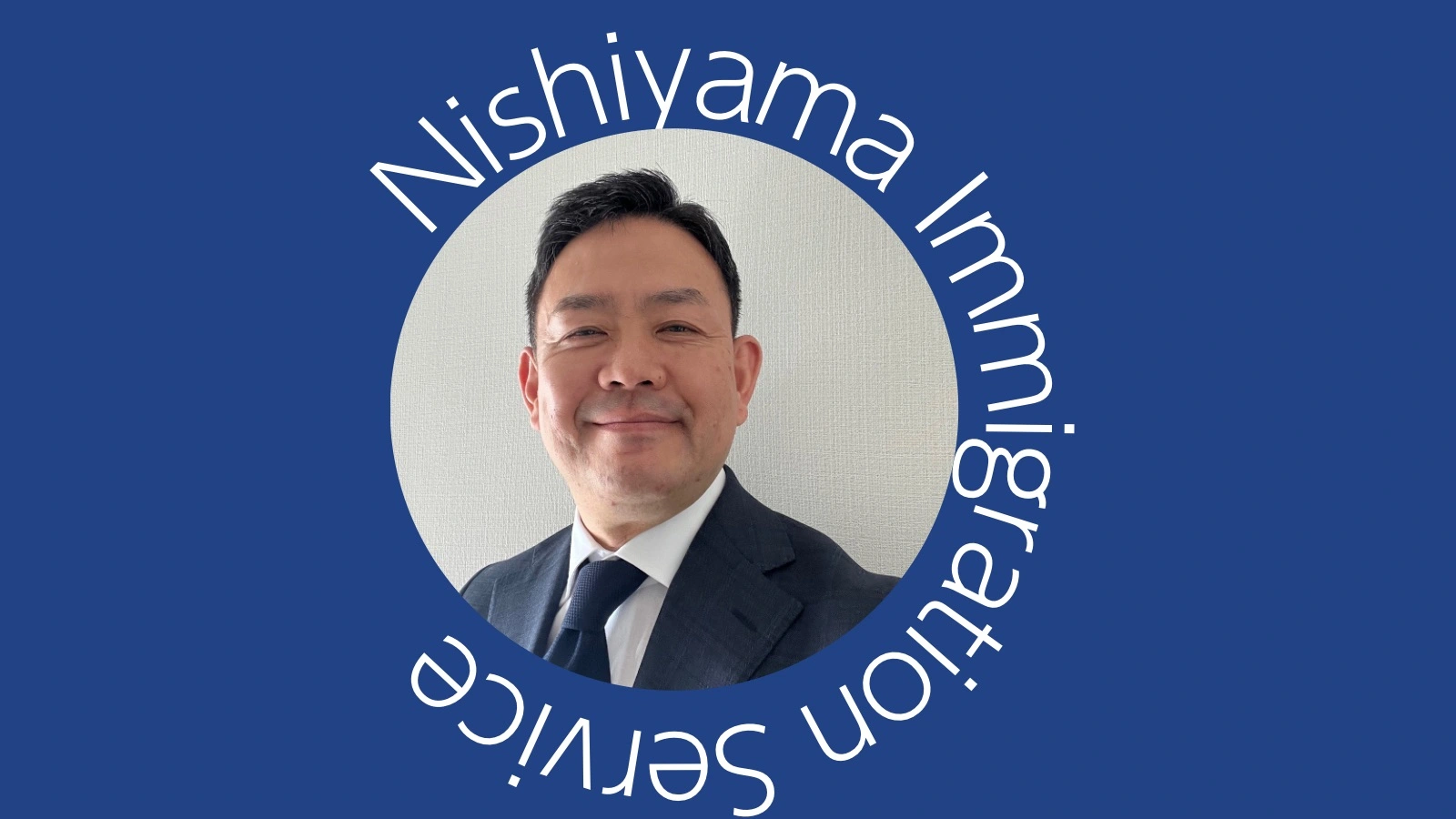
Author: Kenji Nishiyama (Certified Administrative Procedures Legal Specialist(Gyoseishoshi), Registration No.20081126)
Kenji Nishiyama is an Immigration and Visa Specialist who has supported many foreign residents with visa applications in Japan. On his firm’s website, he publishes daily updates and practical insights on immigration and residency procedures. He is also well-versed in foreign employment matters and serves as an advisor to companies that employ non-Japanese workers.