[Blog]From International Cooperation to Human Resource Development—and Ultimately to Labor Supply: Japan’s Employment for Skill Development System and the Balanced Coexistence Model
2026-10-22
■ Human Resource Development Quotas Reduced Before the System Even Begins
On October 19, 2026, the Mainichi Shimbun reported that the Japanese government had proposed increasing the admission ceiling for foreign workers under the Specified Skilled Worker (i) status in the nursing care sector by 20,000. The government explained that demand could exceed the existing ceiling of 126,900 during the second half of fiscal 2027. What deserves particular attention is that these 20,000 places would be transferred from the nursing care allocation under the new Employment for Skill Development system, scheduled to begin in April 2027. Its allocation would fall from 33,800 to 13,800, while the combined ceiling for the sector would remain unchanged at 160,700.
In other words, the government is not increasing the total number of foreign workers it plans to admit. Instead, it is reallocating places intended for the development of future workers to a category designed for individuals who already possess a certain level of occupational skills. The urgent shortage of nursing care workers is undeniable. Nevertheless, reducing the training allocation before the new system has even begun raises a fundamental question about the purpose of the system itself.
■ The Original Principle of International Cooperation
The Technical Intern Training Program, which the Employment for Skill Development system will replace, was established with the stated objective of international cooperation through the transfer of skills, technologies, and knowledge to developing countries. Foreign nationals were expected to acquire skills in Japan and subsequently contribute to economic development in their countries of origin. Addressing Japan's domestic labor shortages was not its official purpose.
In practice, however, technical interns became an important source of labor in sectors such as agriculture, construction, and manufacturing. Restrictions on changing employers, inadequate working conditions, and other structural problems exposed the gap between the program's official objectives and its actual operation. This discrepancy became a major reason for institutional reform.
Yet the failure to achieve the principle of international cooperation should not be confused with the absence of value in that principle. The idea that skills acquired in Japan could benefit both individuals and their home societies had considerable significance. It offered a framework in which receiving and sending countries could share the benefits of international labor mobility. The shortcomings of the program's implementation did not necessarily justify abandoning that broader objective.
■ What Changed with the Employment for Skill Development System?
The Employment for Skill Development system, scheduled for implementation in April 2027, replaces the Technical Intern Training Program with a framework explicitly designed for both human resource development and workforce recruitment. In principle, foreign workers will acquire the skills required for Specified Skilled Worker (i) status through three years of employment. The system also strengthens worker protections, including the possibility of changing employers at the worker's initiative under specified conditions.
However, the international cooperation objective of transferring skills to countries of origin is no longer a central institutional purpose. Instead, the principal pathway leads toward continued employment within Japan's labor market. This represents a significant shift from an international development framework toward a domestic workforce development and recruitment framework.
Given Japan's demographic decline, openly recognizing workforce recruitment as a policy objective is understandable. The more difficult question is whether human resource development can remain an independent objective when it conflicts with immediate labor demand. If workforce recruitment consistently takes precedence, the developmental purpose risks becoming subordinate to the labor needs of receiving industries.
■ Is Human Resource Development Merely a Means of Securing Labor?
The proposed reallocation in the nursing care sector illustrates this tension. The government has explained that demand for Specified Skilled Workers has been substantially higher than initially anticipated. Reallocating admission places is intended to prevent a suspension of new recruitment that could disrupt nursing care services.
There are legitimate reasons to recruit workers directly under Specified Skilled Worker (i), which requires occupational skills and Japanese language proficiency. The proposed adjustment therefore does not, by itself, establish that the government has abandoned human resource development. Nevertheless, reducing the nursing care allocation under the new development system by approximately 59 percent before implementation calls for a convincing explanation of how its long-term training function will be maintained.
Human resource development should encompass more than acquiring the minimum skills needed by a Japanese employer. It should include language proficiency, occupational independence, knowledge of labor rights, professional advancement, and opportunities for long-term career development. Whether workers remain in Japan or return home, their experience should expand their future choices. If training becomes merely a preliminary stage for supplying labor, the distinction between human resource development and labor procurement becomes increasingly difficult to sustain.
■ A Structural Problem Shared by Both Systems
Under the Technical Intern Training Program, international cooperation was the declared principle, while domestic labor demand often shaped actual implementation. Under the Employment for Skill Development system, human resource development is an explicit objective, yet the allocation intended for that purpose is being reduced before the system begins in response to immediate recruitment needs.
The two developments reveal a similar structural tension: institutional principles may become secondary when confronted with the immediate demands of the labor market.
Changing the name of a program or reorganizing residence status categories does not necessarily resolve this tension. Meaningful institutional reform requires that stated objectives influence actual administrative decisions. A principle has practical significance only when it guides policy choices, determines priorities, and provides standards against which implementation can be evaluated.
■ The Imbalance Revealed by the Balanced Coexistence Model
The Balanced Coexistence Model (BCM) proposed by the author approaches immigration and foreign worker policy not merely as a question of national labor demand, but as a system of relationships involving the state, employers, foreign nationals, local communities, and countries of origin. Its central concern is the sustainable balance of benefits, responsibilities, and opportunities among these stakeholders.
The international cooperation principle of the former Technical Intern Training Program at least recognized the interests of sending countries as an institutional objective. The Employment for Skill Development system strengthens certain protections for foreign workers, but the transfer of skills to countries of origin is no longer central to its stated purpose. The proposed reallocation of nursing care places further illustrates how short-term domestic labor demand can take priority over long-term human resource development.
From the BCM perspective, the problem is not workforce recruitment itself. Rather, it is the possibility that the interests of one stakeholder may dominate the institutional framework. Employers have legitimate interests in securing workers. Foreign nationals have interests in developing their abilities and determining their own futures. Local communities require stable conditions for social integration, while sending countries have interests in the benefits of human mobility and skills development. A sustainable system must recognize and coordinate these interests rather than allowing any single objective to prevail automatically.
■ Reallocating Numbers Does Not Automatically Create Institutional Trust
The government intends to maintain the overall admission ceiling of 1.23 million across the Specified Skilled Worker and Employment for Skill Development systems. The proposed nursing care adjustment changes the distribution of places without increasing the combined ceiling.
However, maintaining an aggregate numerical ceiling does not necessarily ensure consistency between policy objectives and implementation. Employers need predictable recruitment arrangements, foreign workers need stability when planning employment and residence, and sending countries need reliable information for education and recruitment planning. Significant changes before implementation can affect the expectations of all these stakeholders.
The government therefore needs to explain not only why its initial demand estimates differed from subsequent projections, but also how reducing the development allocation may affect the future supply of skilled workers. Institutional credibility depends on the transparency and reasonableness of policy decisions, not merely on compliance with numerical limits.
■ Reconnecting International Cooperation and Human Resource Development
Restoring the former Technical Intern Training Program's international cooperation objective in its original form is not necessarily desirable. Requiring foreign workers to return home in order to fulfill a development objective could conflict with their freedom to choose their future careers and places of residence.
Nevertheless, long-term residence in Japan and the transfer of benefits to countries of origin need not be mutually exclusive. Internationally recognizable qualifications, transparent records of occupational skills, support for employment or entrepreneurship after return, and cooperation between Japanese and overseas vocational institutions could allow skills development to benefit individuals and societies across borders.
The central question should be whether foreign workers gain capabilities that remain valuable beyond a particular employer or residence status. Human resource development should be understood as an investment in individual capacity and professional autonomy, rather than exclusively as a mechanism for satisfying domestic labor demand.
The BCM seeks to connect workforce recruitment, individual development, international reciprocity, and social integration within a sustainable institutional balance. These objectives should not be treated as inherently incompatible.
■ Conclusion: What Should Institutional Reform Actually Change?
Japan's nursing care labor shortage presents a genuine policy challenge, and measures to prevent recruitment disruptions may serve important practical purposes. Yet when places allocated to human resource development are reduced to meet immediate labor demand, the government must explain how the two stated objectives of the new system will remain compatible.
Under the Technical Intern Training Program, the principle of international cooperation was frequently overshadowed by the reality of labor shortages. Under the Employment for Skill Development system, there is a risk that human resource development may likewise become secondary to workforce recruitment. If this structural relationship remains unchanged, reforming the institutional framework may reproduce the same fundamental tension.
The Balanced Coexistence Model offers a different perspective. Foreign nationals should be recognized not simply as replacements for missing workers, but as individuals who develop capabilities, participate in society, and make decisions about their futures. Their development should also contribute to sustainable benefits for employers, local communities, and countries of origin.
Meeting immediate labor shortages and developing human potential are not identical objectives. The long-term credibility of the Employment for Skill Development system will depend on whether Japan can genuinely achieve both.
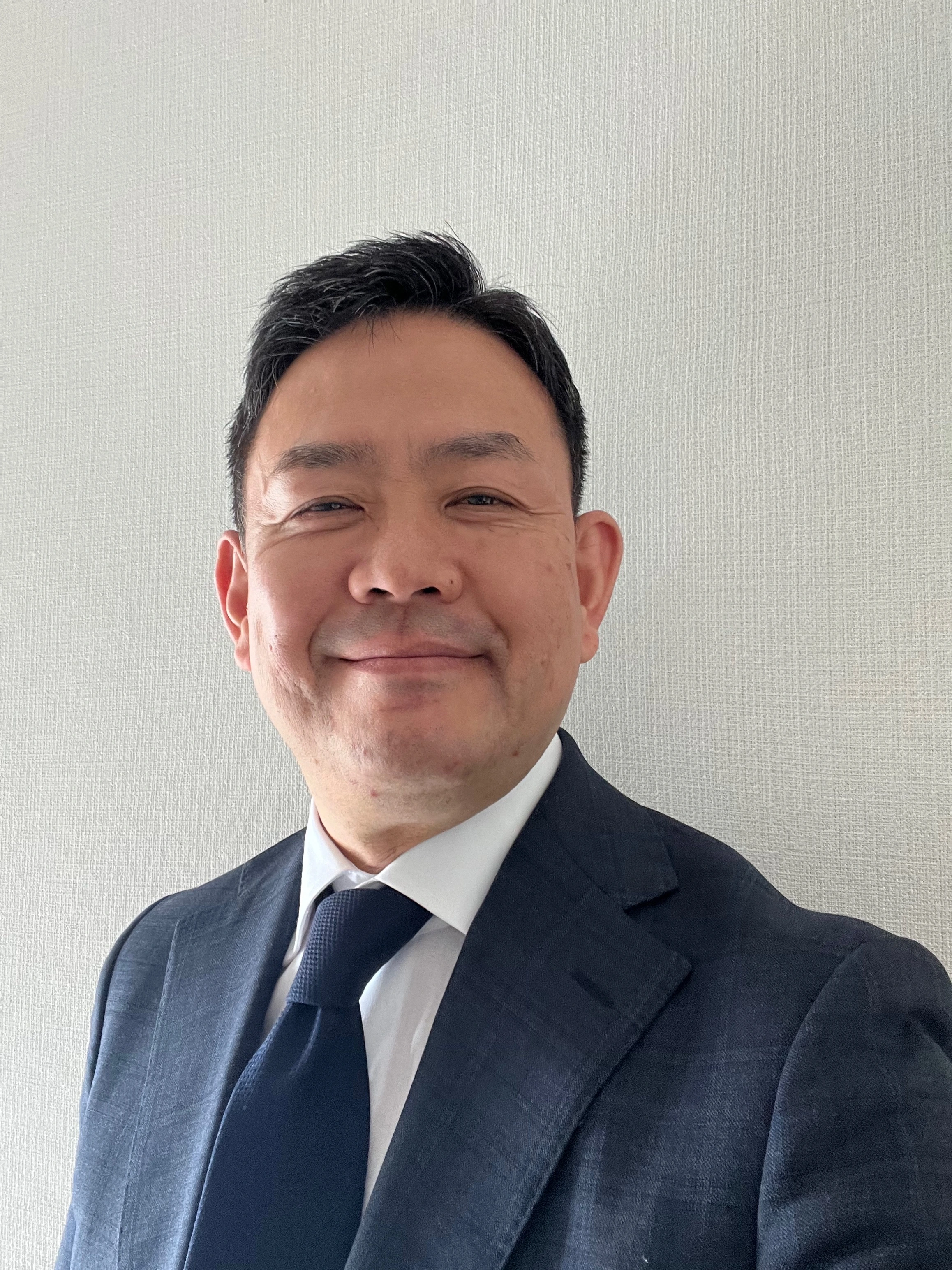
Author: Kenji Nishiyama (Certified Administrative Procedures Legal Specialist(Gyoseishoshi), Registration No.20081126)
Kenji Nishiyama is an Immigration and Visa Specialist who has supported many foreign residents with visa applications in Japan. On his firm’s website, he publishes daily updates and practical insights on immigration and residency procedures. He is also well-versed in foreign employment matters and serves as an advisor to companies that employ non-Japanese workers.