[Blog]What the Increase in Residence Procedure Fees Raises
2026-10-01
From October 1, 2026, fees for procedures such as changes of status of residence and extensions of periods of stay in Japan will rise substantially. An article published by Sanyo Shimbun describes a man in his thirties from East Africa who fled his home country for political reasons and is currently seeking refugee recognition in Japan. Although he has permission to work, his seasonal employment has ended and he is now unemployed, with savings of only around 200,000 yen. Faced with higher residence procedure fees, he expressed concern about whether he would be able to continue living in Japan.
Residence Procedures Cannot Be Explained by the “User Pays” Principle Alone
Administrative procedures inevitably involve costs, including examination, personnel, and system operation expenses. It is therefore reasonable in principle to require applicants to bear some of these costs. However, residence procedures differ fundamentally from ordinary administrative services. Extending a period of stay is not an optional service that a foreign resident chooses to purchase. It is a legally required procedure for anyone who wishes to continue living and working lawfully in Japan. For this reason, the conventional “user pays” principle alone cannot fully justify the level of fees. If fees become too high, maintaining lawful residence may itself become increasingly difficult for people in financially vulnerable circumstances.
Balancing Immigration Control and Coexistence
The Balanced Coexistence Model (BCM) that I propose does not frame immigration policy as a binary choice between accepting and excluding foreign nationals. The state has a responsibility to control its borders and administer residence appropriately, while foreign nationals have a responsibility to comply with immigration rules. At the same time, if the state requires compliance, it must also design a system in which compliance is realistically possible. Strict immigration control and consideration for foreign residents should therefore not be regarded as opposing principles. Properly designed, they can reinforce each other.
The Paradox of Increasing the Cost of Compliance
From the perspective of the BCM, one of the most important concepts raised by this reform is the “cost of compliance.” Japan requires foreign nationals to maintain a lawful status of residence and complete the necessary procedures within prescribed periods. Yet if the financial cost of those procedures rises substantially, some people may find compliance increasingly difficult. This creates a policy paradox. If the purpose of immigration administration is to maintain lawful and orderly residence, preventing people who genuinely intend to comply with the law from falling out of the system should itself be considered part of effective immigration control.
Should Asylum Seekers Be Treated in the Same Way as Other Foreign Workers?
Particular attention should be paid to asylum seekers. Some have limited employment opportunities and cannot rely on adequate financial assistance from family members or their countries of origin. The man featured in the article has permission to work but reportedly faces significant difficulty finding employment. Whether people in such circumstances should bear essentially the same procedural burden as foreign residents with stable employment and income deserves careful consideration. Formal equality and substantive fairness are not necessarily the same thing.
Even a Fee Reduction System Can Create a “Cliff Effect”
The new framework includes reduced fees for people facing severe financial hardship. However, according to the article, the eligibility threshold is expected to be close to the level used for public assistance, meaning that many asylum seekers may fall outside the scheme. This can create what is often called a “cliff effect.” A person whose income or assets are slightly above the eligibility threshold may have to pay the full fee even though that person does not have sufficient financial capacity in practical terms. From a BCM perspective, policymakers could consider a more graduated structure that takes account of income, assets, dependents, period of stay, and frequency of required applications rather than relying primarily on a binary distinction between eligibility and ineligibility.
Residence Fees Should Be Viewed as a Policy Instrument, Not Merely a Price
Residence procedure fees should not be understood merely as the price of an administrative service. The level and structure of fees can influence the behavior of foreign residents and therefore function as a policy instrument. If high fees discourage applications, they may unintentionally increase the number of people whose status becomes difficult for the authorities to manage. Conversely, lower fees for online applications and other procedures that reduce administrative costs could create incentives for more efficient compliance. As RegTech and digital transformation advance, efficiency gains generated through automation and streamlined examination could also be reflected in lower burdens for applicants.
Stricter Control and Support Can Coexist
The BCM does not advocate an immigration system that is unconditionally lenient toward foreign nationals. On the contrary, it emphasizes transparent residence management, clearly defined rules, and fair and consistent enforcement. At the same time, the system should minimize situations in which people who genuinely intend to comply with those rules fall outside the lawful framework solely because of financial hardship. Strict enforcement against abuse and accessible pathways for those seeking to remain compliant are not contradictory objectives. They are two components of a sustainable immigration system.
From a System That Demands Compliance to One That Enables Compliance
The increase in residence procedure fees is therefore more than a simple price increase. It raises a broader question of institutional design: how should Japan balance administrative costs, fairness, immigration control, and humanitarian considerations? From the perspective of the Balanced Coexistence Model, the central objective should not merely be to create a system that requires foreign nationals to obey the rules, but to create one in which they can realistically continue to do so. Sustainable equilibrium lies in maintaining both effective state control and continued individual compliance. Residence procedure fees should therefore be evaluated not only in terms of fiscal rationality, but also in terms of how they affect the behavior, livelihoods, and ability of foreign residents to remain within the legal system. Designing policy from this broader perspective can help move immigration governance beyond a perceived conflict between control and human rights and toward a more sustainable model of coexistence.
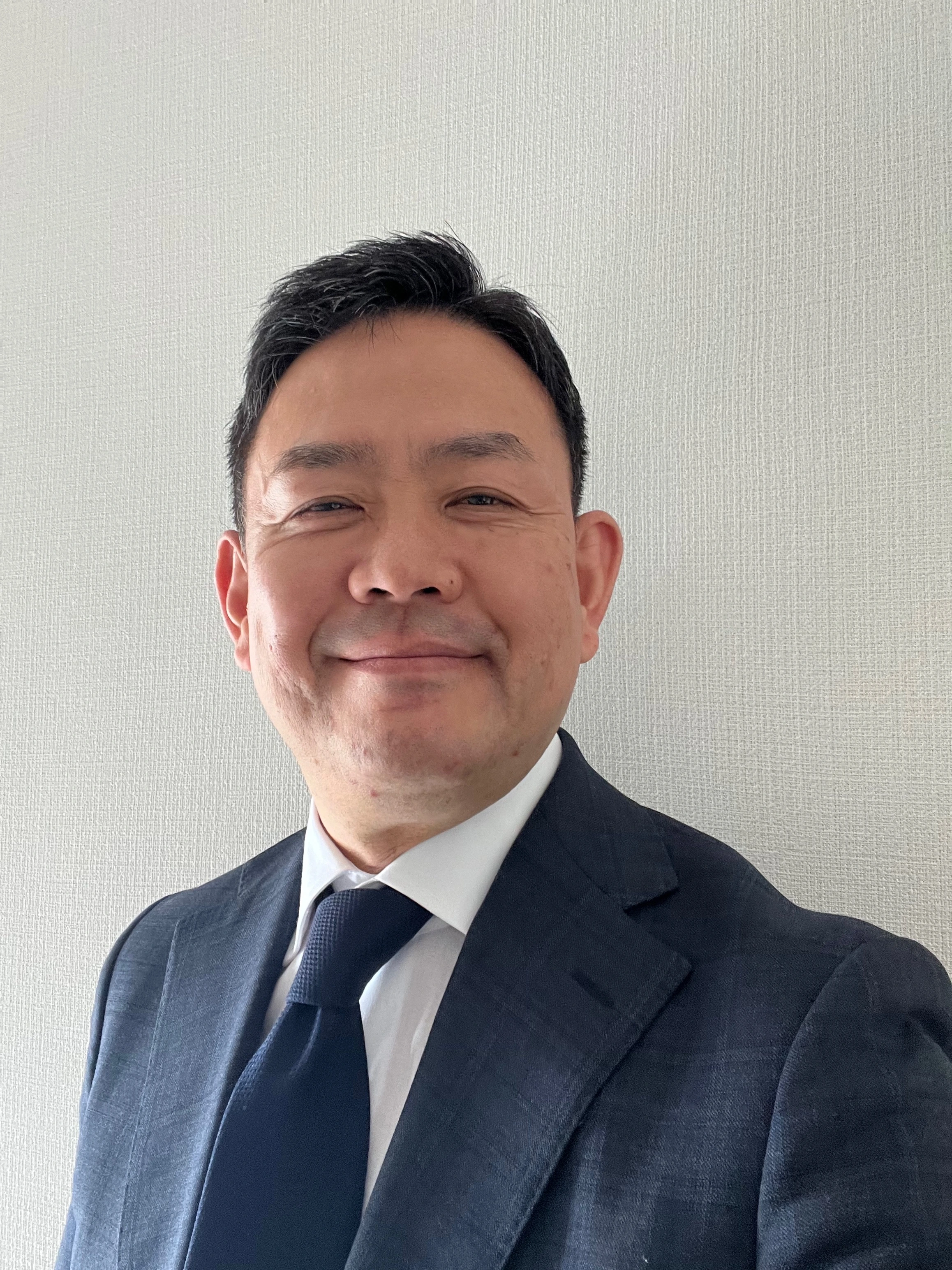
Author: Kenji Nishiyama (Certified Administrative Procedures Legal Specialist(Gyoseishoshi), Registration No.20081126)
Kenji Nishiyama is an Immigration and Visa Specialist who has supported many foreign residents with visa applications in Japan. On his firm’s website, he publishes daily updates and practical insights on immigration and residency procedures. He is also well-versed in foreign employment matters and serves as an advisor to companies that employ non-Japanese workers.