[Blog]Foreign Workers Also Support Employment Insurance — From Protection Against Unemployment to the Social Infrastructure for Sustainable Employment —
2026-07-26
1. Employment Insurance Is More Than an Unemployment Benefit
Employment insurance is often associated only with unemployment benefits. In reality, however, its purpose extends far beyond providing temporary income after job loss. It supports workers taking childcare or family-care leave, encourages vocational training and skills development, assists reemployment, and helps employers maintain stable employment. It is a system designed to sustain people's ability to work throughout the changing stages of life.
Labor markets are constantly affected by economic cycles, industrial transformation, technological innovation, corporate restructuring, and personal circumstances. Many of these changes occur regardless of an individual's efforts. Employment insurance reduces the social impact of these unavoidable risks by providing time and support for workers to move toward new employment instead of falling immediately into economic hardship.
Rather than merely compensating unemployment, employment insurance creates continuity in working lives. It protects workers while simultaneously supporting businesses and maintaining a stable labor market.
2. A Shared System Based on Employment, Not Nationality
Foreign nationals who work in Japan and satisfy the legal requirements are, in principle, covered by employment insurance. The system is not designed exclusively for Japanese nationals. It is sustained by everyone who participates in Japan's labor market and contributes through insurance premiums.
Foreign workers are therefore not merely potential recipients of benefits. Through their daily work, premium contributions, and participation in economic activity, they help finance and sustain the employment insurance system itself. Nationality does not divide those who support the system from those who benefit from it. Every worker contributes while employed and may rely upon the system when circumstances require support.
This principle applies equally to Japanese and foreign workers. Employment insurance is fundamentally a mechanism through which workers collectively share employment-related risks.
3. For Foreign Workers, Job Loss May Also Affect Residence
For many foreign workers, losing a job has consequences beyond the loss of income. Since many residence statuses are based upon employment, unemployment may also create uncertainty regarding continued residence in Japan. Without clear knowledge of notification requirements, job-search expectations, or permitted activities, uncertainty can quickly become anxiety.
Income support provided through employment insurance is therefore only one part of the solution. Effective assistance also requires employment counseling, job placement services, vocational training, and appropriate guidance regarding immigration procedures. Only when these systems function together can workers successfully transition into new employment.
When employment administration and immigration administration operate independently, individuals may formally qualify for support while remaining unable to access it. Such institutional disconnection leaves unemployed foreign workers vulnerable both economically and legally.
4. Rights Cannot Be Exercised Without Understanding
Even when foreign workers are enrolled in employment insurance, they may be unable to benefit if they do not understand the system. Insurance premiums may be deducted from wages without workers fully understanding why contributions are required or what benefits they are entitled to receive.
Necessary documents may not be issued upon resignation. Deadlines may be missed. Consultation services may be unknown. Japanese-language explanations may be difficult to understand. As a result, rights guaranteed by law may never become practical realities.
This is not simply a matter of individual knowledge. It also reflects whether governments, employers, and support organizations provide explanations in forms that workers can genuinely understand. A system protects people only when they know how to access it.
5. Employers Also Have a Responsibility to Connect Workers to the System
Employers who hire foreign workers are responsible not only for proper enrollment in employment insurance but also for explaining its purpose and operation. Workers should understand why premiums are deducted, what benefits exist, what documents are necessary when employment ends, and how childcare, family-care, or vocational training benefits function.
Foreign workers often face overlapping issues involving employment contracts, taxation, social insurance, and immigration status. If employers treat each issue separately without providing integrated explanations, workers may struggle to understand both their rights and obligations. This can result in delayed procedures, missed notifications, and disadvantages for both employers and employees.
Enrollment in employment insurance is therefore more than administrative paperwork. It is an important connection between workers and the institutions that protect their working lives.
6. Employment Insurance Supports Labor Mobility
Modern labor markets no longer assume that individuals will remain with a single employer throughout their entire careers. Industrial change and technological development increasingly require workers to change occupations, acquire new skills, and adapt to evolving labor demand. Employment insurance enables these transitions without allowing temporary unemployment to become permanent social exclusion.
This principle also applies to foreign workers. Job changes should not automatically be viewed as instability but rather as opportunities to reconnect workers' skills with labor market needs while remaining consistent with immigration regulations. Supporting lawful career transitions benefits individual workers, employers seeking qualified personnel, and the overall productivity of society.
When employment insurance, job placement services, vocational training, and immigration administration work together, unemployment becomes a period of transition rather than exclusion. When these systems remain disconnected, however, workers may simultaneously lose employment, income, housing, residence stability, and social integration.
7. Visible Contributions Build Institutional Trust
Public discussions sometimes focus only on foreign residents as recipients of social benefits. Yet foreign workers also contribute through insurance premiums, taxes, labor, and economic activity. Unless society recognizes these contributions, misunderstandings and perceptions of unfairness are likely to grow.
Likewise, foreign workers themselves need clear explanations regarding why they contribute and what forms of support are available. If contributions are visible but benefits remain invisible, the system appears to collect obligations without providing protection. Conversely, if benefits are emphasized while contributions are ignored, public confidence may also decline.
Trust requires transparency regarding both responsibilities and rights. When contributions, eligibility, and benefits are administered fairly and explained consistently, people come to understand the system, anticipate its operation, and rely upon it when necessary.
8. Employment Insurance as a Foundation for Balanced Coexistence
The Balanced Coexistence Model does not view foreign workers merely as recipients of support. They are workers who contribute through labor, insurance premiums, and participation in society while also possessing legitimate rights to assistance during unemployment, childcare, family care, or vocational development.
This represents neither unconditional protection nor complete individual responsibility. Workers fulfill their obligations. Employers ensure proper enrollment and explanation. Government provides accessible, understandable, and fairly administered support. Each actor fulfills its respective responsibilities.
Understanding creates predictability. Predictability creates the ability to rely on institutions. The experience of relying upon institutions creates trust.
From understanding to predictability, from predictability to institutional reliance, and from institutional reliance to trust—employment insurance supported by both Japanese and foreign workers becomes a foundation for a society built upon shared responsibility, mutual support, and balanced coexistence.
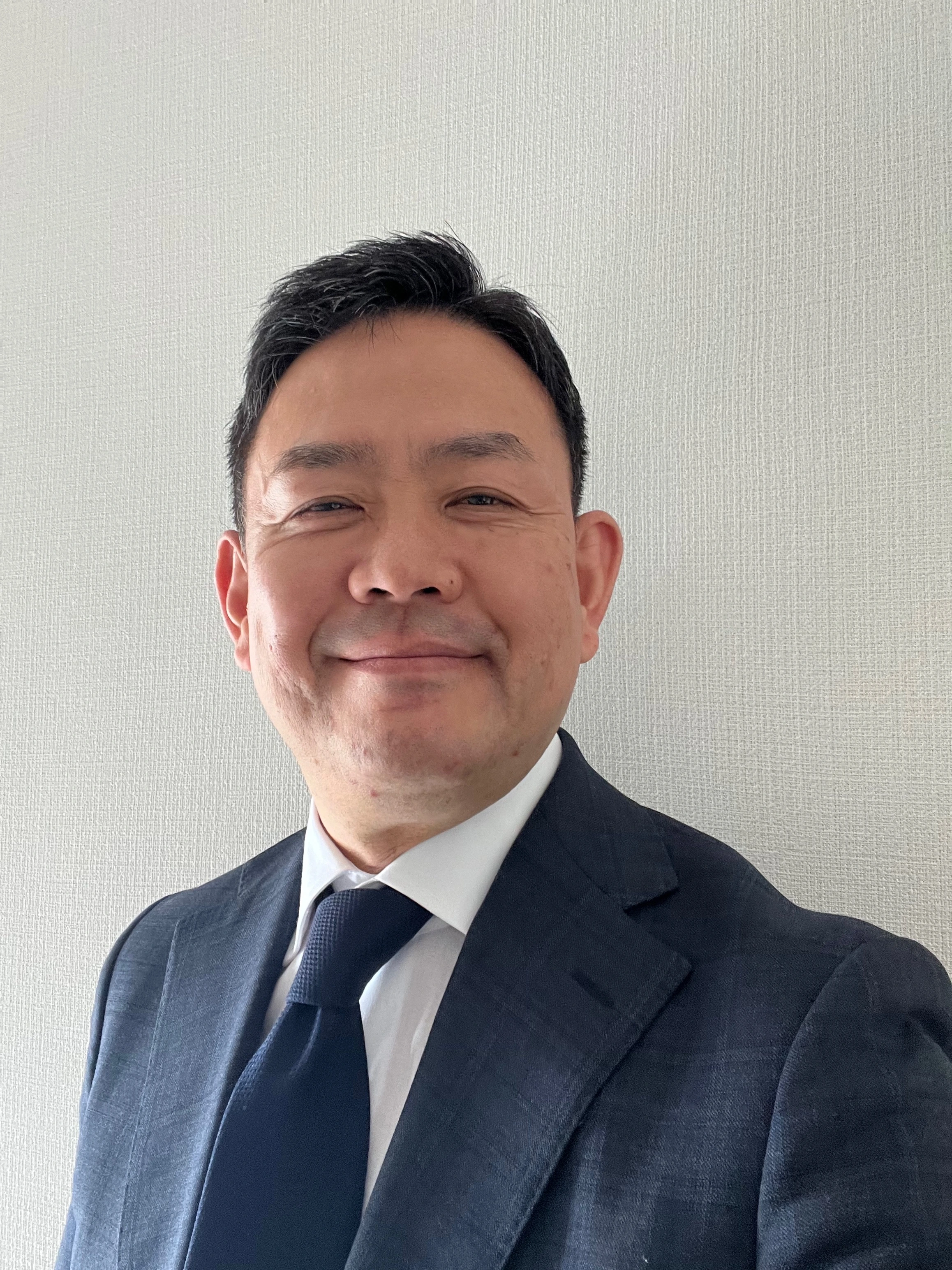
Author: Kenji Nishiyama (Certified Administrative Procedures Legal Specialist(Gyoseishoshi), Registration No.20081126)
Kenji Nishiyama is an Immigration and Visa Specialist who has supported many foreign residents with visa applications in Japan. On his firm’s website, he publishes daily updates and practical insights on immigration and residency procedures. He is also well-versed in foreign employment matters and serves as an advisor to companies that employ non-Japanese workers.