[Blog]Who Are Labor and Social Insurance Systems For? — Shared Institutions Supporting Individual Lives and Social Stability —
2026-07-24
1. Insurance Systems Are Not Only for People Already in Difficulty
Labor insurance and social insurance are designed to protect people against events that can destabilize the foundations of life, including workplace accidents, unemployment, illness, childbirth, disability, and old age. However, these systems do not exist only for people who are currently experiencing hardship. Everyone may one day become unable to work, lose income, or require medical or nursing care. The essential purpose of insurance is to distribute these unpredictable risks across society as a whole.
While paying contributions, people may not immediately feel that they benefit from the system. Yet contributions are not merely expenses. They prepare individuals for their own future while also supporting others who live within the same society. The system does not permanently divide people into those who provide support and those who receive it. It assumes that anyone may move between both positions as their circumstances change throughout life.
2. Labor Insurance Shares the Risks Associated with Work
Workers’ accident compensation insurance provides benefits for accidents, injuries, illnesses, disabilities, and deaths arising from work or commuting. Employment insurance supports not only people who lose their jobs, but also those taking childcare or family-care leave, receiving vocational training, or seeking reemployment. These systems prevent workers from having to bear all employment-related risks alone.
Workplace accidents and unemployment are not always caused by an individual’s lack of effort. Economic fluctuations, corporate conditions, industrial restructuring, natural disasters, and illness can destabilize people’s lives through factors beyond their control. Labor insurance prevents these risks from being concentrated on individuals and establishes a structure through which employers and society share responsibility.
This framework does not protect workers alone. When social protection exists against accidents and unemployment, companies can hire people with greater confidence, and workers can more readily take on new employment opportunities. Labor insurance is therefore also an economic foundation that supports a stable labor market and the continuity of business activity.
3. Social Insurance Supports the Continuity of Life
Social insurance systems, including health insurance, employees’ pension insurance, and long-term care insurance, address risks such as illness and old age. If medical costs were left entirely to individuals, becoming ill could destroy the foundations of their lives. If income in old age depended only on personal savings, individuals would have to bear alone the risks associated with longevity and changes in prices.
Social insurance distributes these risks among a large number of participants and allows people to receive benefits when necessary. It is more than a transfer of money. It is social infrastructure that ensures access to medical care during illness, protects people from immediately losing their livelihoods when they cannot work, and makes life in old age more predictable.
In a society where the future is entirely unpredictable, people find it difficult to work with confidence, form families, study, consume, or start businesses. Social insurance provides more than benefits. It creates predictability that enables people to plan their lives and the assurance that they can rely on institutions when they face hardship.
4. Foreign Residents Are Also Members Who Support the System
Foreign workers who are legally employed in Japan and meet the applicable eligibility requirements are, in principle, covered by labor and social insurance systems. They are not temporary outsiders who merely use these institutions. By paying insurance contributions, supporting business activity, and contributing through taxes and social insurance, they are members who help sustain the system.
Nevertheless, public debate sometimes portrays foreign residents only as recipients of social security benefits. Yet these systems are not supported by nationality alone. They depend on the continuing participation of workers, employers, insured persons who pay contributions, public authorities, and many other actors. Foreign workers also participate in this shared burden.
At the same time, insufficient explanation may prevent foreign workers from understanding enrollment obligations or available benefits, leading to non-enrollment or procedural omissions. When employers do not correctly understand the system, they may fail to enroll workers, process contributions properly, or provide information about necessary applications. In such cases, responsibility should not be placed solely on foreign residents. Public authorities, employers, and support organizations must communicate the system in an understandable form.
5. Rights and Contributions Cannot Be Separated
Social insurance cannot function through rights alone or obligations alone. The right to receive benefits is supported by enrollment and the payment of contributions. At the same time, when contributions are required, the reasons for them, the available benefits, the procedures, and the points of contact for consultation must be clearly explained.
An administration that demands participation without explaining the meaning of the system may appear to impose obligations alone. If contributions are collected but people cannot reach the benefits they need, trust in the system will be lost. Conversely, when the purpose of contributions is understood and benefits are delivered fairly and reliably when needed, people can recognize the system as a foundation supporting their lives.
The mutual obligations emphasized by the Balanced Coexistence Model do not mean demanding unilateral adaptation from foreign residents. Residents are responsible for complying with the law and bearing the required contributions. Employers are responsible for enrolling workers properly, paying contributions, and explaining the system. Public authorities are responsible for presenting the system clearly, administering it fairly, and ensuring access to necessary benefits. Only when these responsibilities are fulfilled reciprocally can the system become a shared social foundation.
6. Social Insurance Is an Institution That Accumulates Trust
Insurance is a system through which the present self supports the future self, healthy people support those who are ill, and working generations support people who currently need assistance. These relationships represent social solidarity among people who may never know one another personally.
This solidarity does not depend on goodwill alone. By establishing rules for eligibility, contributions, benefits, and review procedures, the system makes it possible to predict who will receive support and under what circumstances. When the system is administered consistently, people come to believe that they can rely on society when they encounter hardship.
Understanding creates predictability. Predictability creates the ability to rely on institutions. The ability to rely on institutions creates trust. Labor insurance and social insurance support this process in everyday life.
Labor and social insurance systems do not exist for one nationality or one generation alone. They exist for those who currently support others, those who need support today, and those who may require support in the future. Sharing an understanding of the history and purpose of these institutions, while fairly accepting both rights and contributions, forms the foundation of a sustainable society of coexistence.
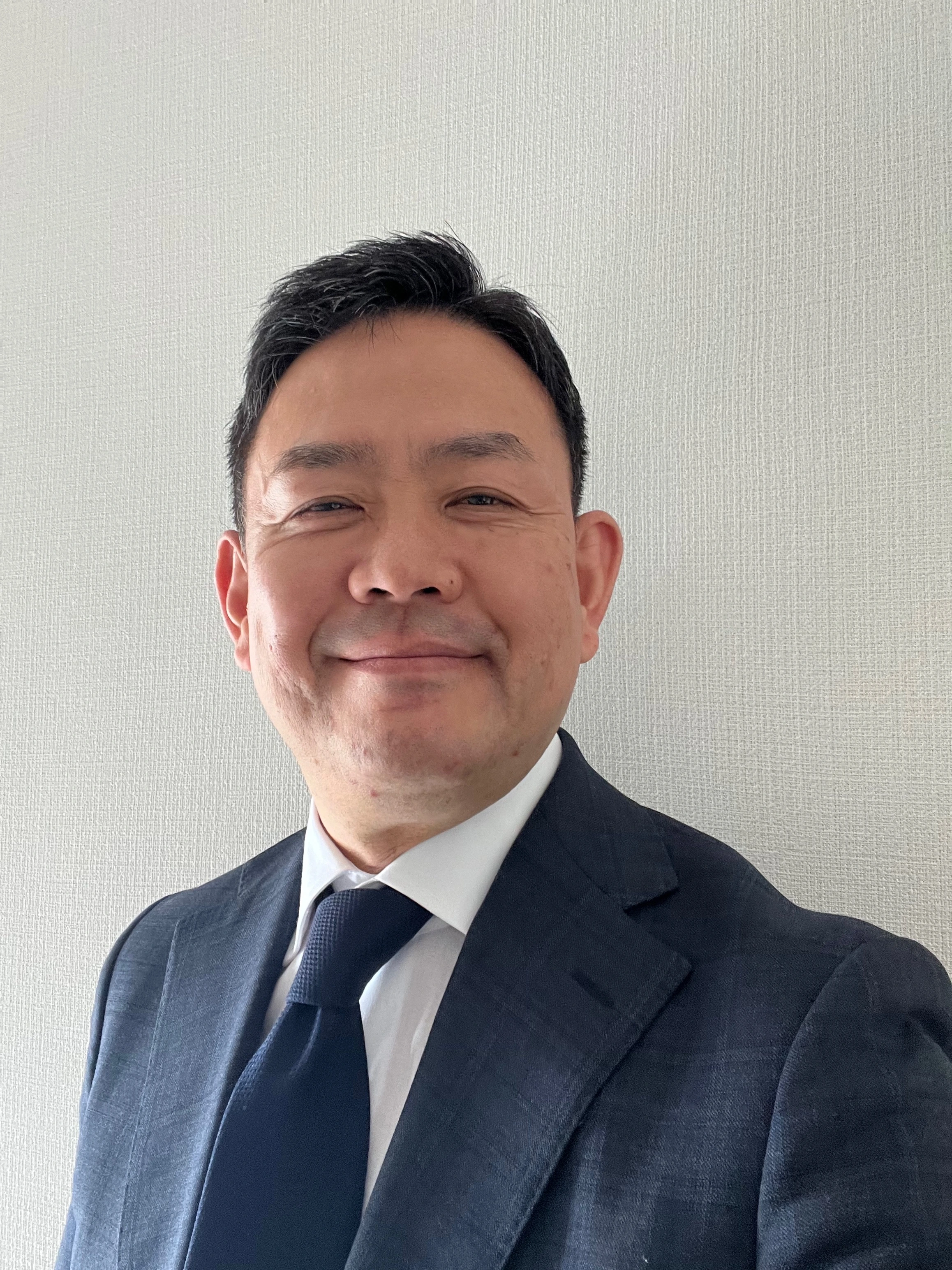
Author: Kenji Nishiyama (Certified Administrative Procedures Legal Specialist(Gyoseishoshi), Registration No.20081126)
Kenji Nishiyama is an Immigration and Visa Specialist who has supported many foreign residents with visa applications in Japan. On his firm’s website, he publishes daily updates and practical insights on immigration and residency procedures. He is also well-versed in foreign employment matters and serves as an advisor to companies that employ non-Japanese workers.