[Blog]What Did Japan’s Postwar Labor Administration Build? — Institutional Design Supporting Economic Growth and Social Stability —
2026-07-22
1. Postwar Reconstruction Began with Institution-Building
After World War II, Japan faced severe economic disruption, unemployment, and food shortages. Rebuilding industry alone was not enough to restore the country. It was also necessary to establish institutions that would allow people to work with security and dignity. Labor administration therefore developed not merely as a system for managing employment, but as a foundation supporting economic recovery and social stability.
2. Labor Administration Supported Both Workers and Employers
Japan’s labor administration established minimum working conditions through the Labor Standards Act, promoted fair employment placement through the Employment Security Act, provided income protection during unemployment through employment insurance, and compensated workers for occupational injuries through workers’ compensation insurance. These systems protected workers while also creating an environment in which employers could hire with greater confidence. Stability for both labor and management supported economic growth and contributed to the development of Japanese society as a whole.
3. Institutions Provide Security, Not Merely Control
The word administration often brings to mind regulation and supervision. However, the original purpose of labor administration is not limited to policing violations. Its role is to create conditions in which workers can plan their futures, businesses can operate continuously, and society can develop with stability. Institutions do not exist simply to restrict freedom. They provide the conditions that allow people to exercise freedom with confidence and security.
4. Foreign Workers Participate in the Same Institutional Framework
Foreign nationals working in Japan are generally protected by the same labor laws as Japanese workers, including the Labor Standards Act, the Minimum Wage Act, and the Employment Insurance Act. They do not work outside Japanese labor institutions. They are participants in a system that Japanese society has developed over many decades. Yet the history of these institutions and the purposes they serve are not always adequately explained or shared.
5. Sharing Institutional Purpose Leads to Coexistence
The Balanced Coexistence Model understands coexistence as participation in institutions. Participation means more than simply obeying laws. It also means understanding why institutions exist and recognizing the values they contribute to society. The labor institutions built through Japan’s postwar experience are not the property of Japanese citizens alone. They are a shared social foundation sustained by everyone who lives and works in the country.
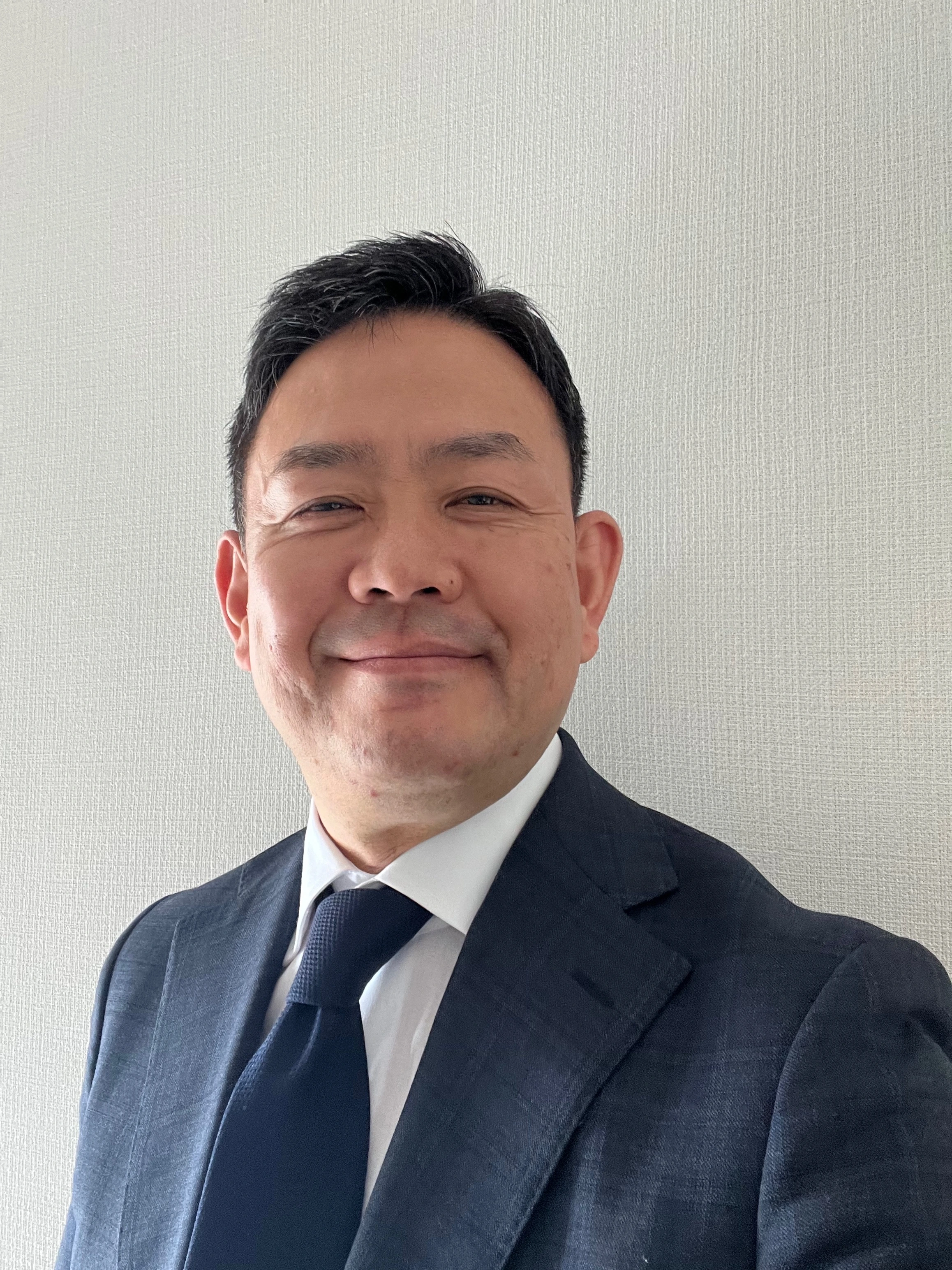
Author: Kenji Nishiyama (Certified Administrative Procedures Legal Specialist(Gyoseishoshi), Registration No.20081126)
Kenji Nishiyama is an Immigration and Visa Specialist who has supported many foreign residents with visa applications in Japan. On his firm’s website, he publishes daily updates and practical insights on immigration and residency procedures. He is also well-versed in foreign employment matters and serves as an advisor to companies that employ non-Japanese workers.