[Blog]The Nordic Model: Welfare and Integration Conditions — How High-Trust Societies Manage Immigration
2026-06-19
1. The Question
Can a welfare state coexist with a multicultural society?
The Nordic countries have long been characterized by generous welfare systems, high taxation, strong public trust, and social equality.
However, as immigration and refugee admissions have increased, a new question has emerged.
Who should have access to welfare?
What conditions should be required for full participation in society?
The Balanced Coexistence Model examines the Nordic experience through the relationship between welfare and integration conditions.
2. The Basic Structure of the Nordic Model
The defining feature of the Nordic model is the combination of universal welfare and high social trust.
The state provides extensive public services, while citizens support the system through taxation, employment, legal compliance, and civic participation.
Welfare is not merely a collection of benefits.
It is a trust structure through which society collectively supports its members.
As a result, immigration policy in the Nordic context is closely linked to the sustainability of the welfare state itself.
3. Immigration Within a Welfare State
Nordic countries have accepted immigrants and refugees for both humanitarian and economic reasons.
Language education, vocational training, housing support, healthcare, education, and social protection have been used to facilitate integration.
Rather than leaving newcomers to navigate society alone, the Nordic approach seeks to connect them to institutions from an early stage.
In this sense, the model shares common ground with the Balanced Coexistence Model's emphasis on institutional connectivity.
Yet generous welfare also creates strong expectations regarding integration.
4. The Relationship Between Welfare and Responsibility
In the Nordic model, welfare and participation are closely connected.
Learning the local language, seeking employment, participating in training programs, educating children, and understanding social norms are often viewed as responsibilities associated with membership in society.
Welfare is therefore not entirely unconditional.
It operates within a framework of mutual obligations between society and the individual.
This principle closely aligns with the concept of mutual responsibility discussed in Chapter 20.
5. Institutionalizing Integration Conditions
Many Nordic countries have formalized integration requirements.
Language proficiency, employment participation, civic education, understanding of social rules, periods of residence, and economic self-sufficiency may influence access to permanent residence or citizenship.
These requirements function as trust conditions for participation in the welfare state.
However, integration conditions must be designed carefully.
If support is insufficient while requirements become stricter, integration conditions can become barriers rather than pathways to participation.
6. The Vulnerability of High-Trust Societies
Nordic societies have historically relied on high levels of trust.
Generous welfare systems are sustainable because citizens are expected to contribute, follow rules, and avoid abusing public institutions.
As societies become more diverse, differences in language, culture, religion, and social norms may place pressure on these assumptions.
Concerns regarding welfare costs, employment outcomes, educational gaps, residential segregation, and public safety can weaken public confidence in immigration policy.
High-trust societies are strong, but they can also be sensitive to perceived disruptions of trust.
7. Why Policies Have Become More Restrictive
In recent years, several Nordic countries have tightened aspects of their immigration and asylum systems.
The reasons include rising refugee admissions, slower labor market integration, concerns about welfare sustainability, crime, social fragmentation, and political backlash.
As a result, stricter requirements have emerged for residence permits, family reunification, permanent residence, citizenship, and welfare access.
These developments cannot be understood solely as exclusionary policies.
They also reflect efforts to preserve the social trust on which welfare systems depend.
8. Strengths of the Nordic Model
The greatest strength of the Nordic model is its commitment to supporting integration through institutions.
Language training, education, healthcare, housing, vocational support, and social services are viewed as components of integration policy.
Immigrants are not treated merely as labor resources but as future members of society.
This institutional approach offers important lessons for the Balanced Coexistence Model.
9. Limitations of the Nordic Model
The Nordic model also faces significant challenges.
The more generous the welfare system becomes, the stronger the pressure to require integration.
When integration requirements become overly strict, they can shift from support mechanisms to selection mechanisms.
Furthermore, responsibility for adaptation may be placed disproportionately on immigrants while the responsibilities of society receive less attention.
The Nordic model therefore exists in a constant tension between inclusion and exclusion.
10. The Nordic Model Through the Lens of the Balanced Coexistence Model
From the perspective of the Balanced Coexistence Model, the Nordic experience demonstrates the importance of linking welfare with mutual obligations.
If society supports individuals, individuals are also expected to participate in society.
However, integration conditions must be explainable, achievable, and supported by practical measures.
Responsibilities should be shared not only by immigrants but also by employers, governments, and local communities.
Welfare, immigration status, employment, education, housing, and finance must be connected institutionally.
Without such connectivity, integration conditions risk generating distrust rather than trust.
11. Lessons for Japan
Japan can learn from the Nordic model by viewing welfare not simply as financial support but as an instrument of social integration.
If language acquisition and understanding of social norms are expected, adequate educational opportunities, financial support, and community assistance must be provided.
If social insurance participation and tax compliance are emphasized, responsibilities must also be assigned to employers and institutions.
The goal should not be to replicate the Nordic welfare state.
Rather, it should be to create explainable and balanced connections between support and responsibility.
12. Conclusion
The Nordic model links welfare with integration conditions.
Its strength lies in connecting immigrants to the institutional foundations of social participation.
However, when integration requirements become detached from support, they can become instruments of exclusion.
A welfare state and a multicultural society can coexist.
But doing so requires a careful balance between rights and obligations, support and discipline, individual responsibility and social responsibility.
The Balanced Coexistence Model draws from the Nordic experience the insight that welfare should be understood as infrastructure for social integration.
At the same time, it emphasizes that integration conditions can generate trust only when supported by explainability, mutual obligations, institutional connectivity, and effective implementation.
Coexistence cannot be built on benefits alone.
Nor can it be built on obligations alone.
It requires the integration of support and responsibility within a trusted institutional framework.
This article is positioned as a chapter within the table of contents of the Balanced Coexistence Model.
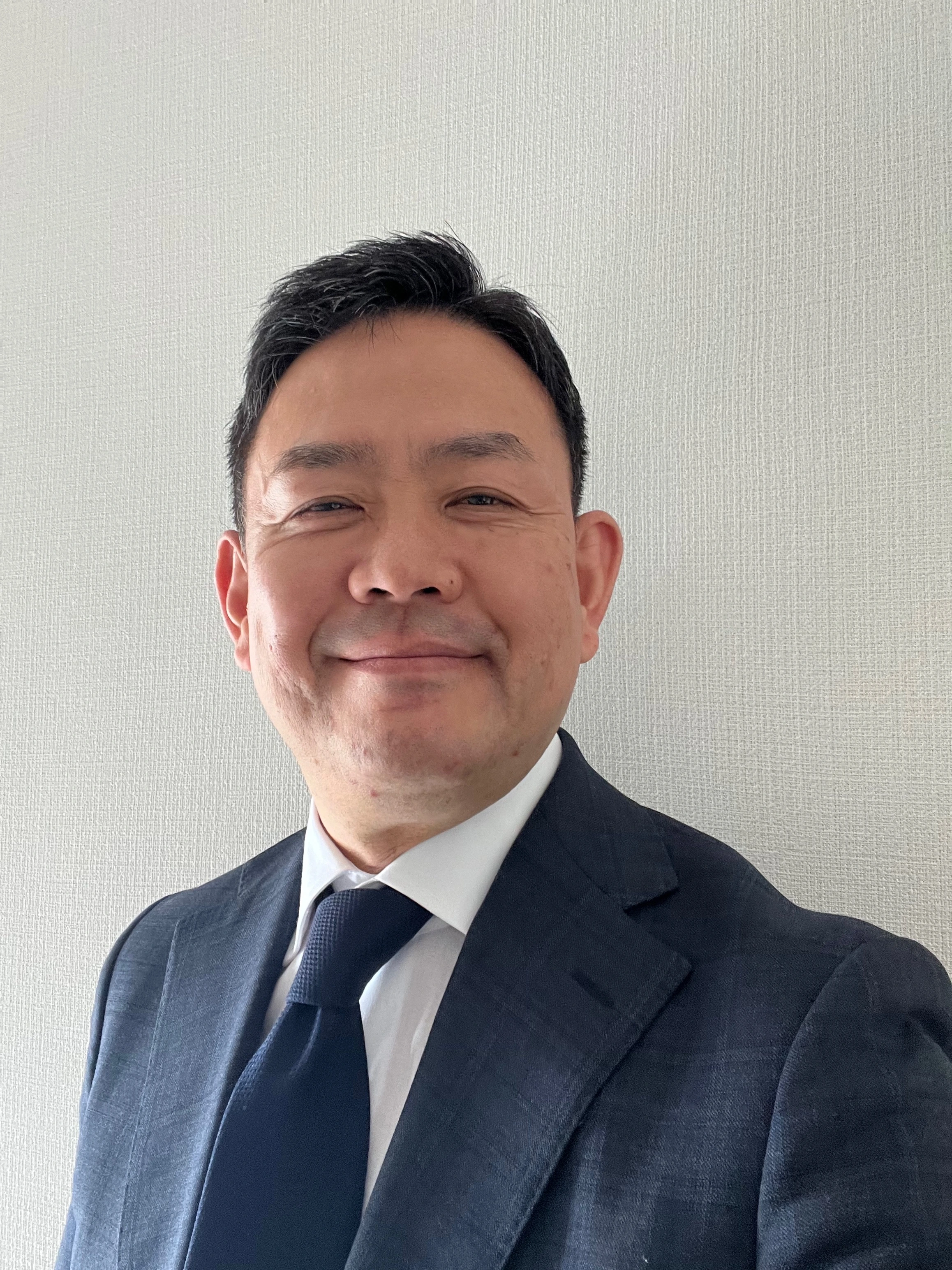
Author: Kenji Nishiyama (Certified Administrative Procedures Legal Specialist(Gyoseishoshi), Registration No.20081126)
Kenji Nishiyama is an Immigration and Visa Specialist who has supported many foreign residents with visa applications in Japan. On his firm’s website, he publishes daily updates and practical insights on immigration and residency procedures. He is also well-versed in foreign employment matters and serves as an advisor to companies that employ non-Japanese workers.