[Blog]Beyond Exceptional Support: What Immigration RegTech Can Learn from a Vietnamese Technical Intern's Seven-Year Medical Care Journey
2026-06-17
An article by HBC Hokkaido Broadcasting tells the story of Duong Ngoc Thu, a Vietnamese technical intern trainee who collapsed in Sapporo in 2019 at the age of 19 after suffering a cerebral arteriovenous malformation. He has remained unconscious for seven years and continues to receive medical care in Japan.
Seven Years of Support and a Hidden Institutional Gap
Mr. Thu came to Japan as a technical intern trainee and was working in Sapporo when he suddenly became seriously ill. As a result, he lost the ability to work and required long-term medical care. However, Japan's Technical Intern Training Program was never designed with such situations in mind. The system assumes that participants will remain healthy enough to work and complete their training. Long-term hospitalization and permanent disability fall largely outside its original framework.
Without intervention, the expiration of his residence status could have resulted in legal uncertainty. Yet through the efforts of immigration authorities, local governments, supervising organizations, healthcare providers, and community supporters, Mr. Thu was able to remain in Japan under a special Designated Activities status. National Health Insurance, disability pension programs, and other public support mechanisms were also utilized to sustain his care. Supporters maintained video communication with his family in Vietnam for seven years. In 2026, his parents and brother were finally able to visit Japan and reunite with him. The family expressed deep gratitude to everyone who had supported him throughout the years.
The Problem Was Not the Absence of Institutions
This story is often presented as a moving example of compassion and solidarity. It certainly is. However, from a policy perspective, the more important question is why such support depended so heavily on exceptional efforts. The key lesson is that the necessary institutions already existed. National Health Insurance existed. Disability pension programs existed. Immigration mechanisms for exceptional cases existed. Local government services existed. Medical facilities existed.
The problem was not the lack of institutions. The problem was the lack of connectivity between institutions. No single system provided a clear pathway linking immigration status, healthcare access, social security benefits, family support, and long-term care. Instead, individual supporters spent years identifying available resources, coordinating stakeholders, and bridging institutional gaps. In other words, success depended on extraordinary people rather than a predictable system.
The Balanced Coexistence Model and Institutional Fragmentation
The Balanced Coexistence Model (BCM) views immigrants not merely as workers but as members of society. Foreign residents face the same life risks as everyone else: illness, accidents, disability, unemployment, aging, and family separation. Yet many immigration-related systems continue to be designed primarily around employment. As long as a foreign resident can work, institutional pathways are relatively clear. Once that person becomes unable to work, however, the routes to healthcare, welfare, insurance, and social support often become fragmented and difficult to navigate.
From the BCM perspective, this represents a failure of institutional connectivity rather than a failure of individual programs. The challenge is not creating entirely new systems. The challenge is enabling people to access the systems that already exist.
The Role of Immigration RegTech
This is where Immigration RegTech becomes important. Residence status information serves as a foundational layer for a foreign resident's interaction with Japanese society. Residence eligibility, employment authorization, sponsoring organizations, family information, and status validity periods all influence access to various public and private services.
A residence application API can function as the infrastructure that connects these previously isolated systems. Rather than treating immigration procedures as a standalone administrative process, Immigration RegTech can transform residence data into a gateway for broader social participation. With appropriate safeguards, user consent, and privacy protections, verified residence information could support connections between immigration procedures, healthcare providers, insurance companies, financial institutions, municipalities, and support organizations. The goal is not greater surveillance. The goal is better accessibility.
Improving Access to Healthcare and Insurance
One practical application is improving access to healthcare and insurance services. Many foreign residents are unfamiliar with Japan's healthcare and social insurance systems. Even when eligible for coverage, they may not understand what benefits are available, how to apply for support, or where to seek assistance during emergencies.
By integrating residence information with insurance and healthcare platforms, foreign residents could receive personalized guidance regarding medical coverage, accident insurance, disability protection, income replacement insurance, repatriation support, and other relevant services. Employers could better understand their responsibilities and available support mechanisms. Insurance providers could design products that accurately reflect the needs of foreign residents. Municipalities could identify individuals who may require additional assistance. Most importantly, foreign residents would gain easier access to systems that already exist but are often difficult to navigate.
From Human Effort to Social Infrastructure
Mr. Thu's case demonstrates the remarkable dedication of countless individuals. However, a sustainable immigration society cannot rely indefinitely on exceptional personal commitment. As Japan's foreign resident population continues to grow, the country will increasingly encounter situations involving serious illness, disability, long-term care, and family support needs. These situations should not require heroic intervention every time they occur. They should be supported by accessible and predictable systems.
The Balanced Coexistence Model therefore proposes a shift in focus. Rather than creating entirely new welfare programs, policymakers should prioritize connecting existing institutions through technology and regulatory innovation.
Transforming Exceptions into Repeatable Solutions
Mr. Thu's story is ultimately about more than one individual. It raises a broader question about how societies treat foreign residents when they are no longer able to work. A truly inclusive immigration system is not defined solely by how efficiently it recruits labor. It is defined by how effectively it supports people when they face life's inevitable risks.
The future of coexistence lies not in exceptional acts of kindness alone, but in building systems that make support accessible regardless of who happens to be involved. By leveraging residence application APIs and Immigration RegTech, existing healthcare, insurance, financial, and social support systems can become more connected, more understandable, and more accessible. The objective is simple: to move from a society where support depends on exceptional individuals to one where support is embedded within social infrastructure. That is the vision of coexistence envisioned by the Balanced Coexistence Model.
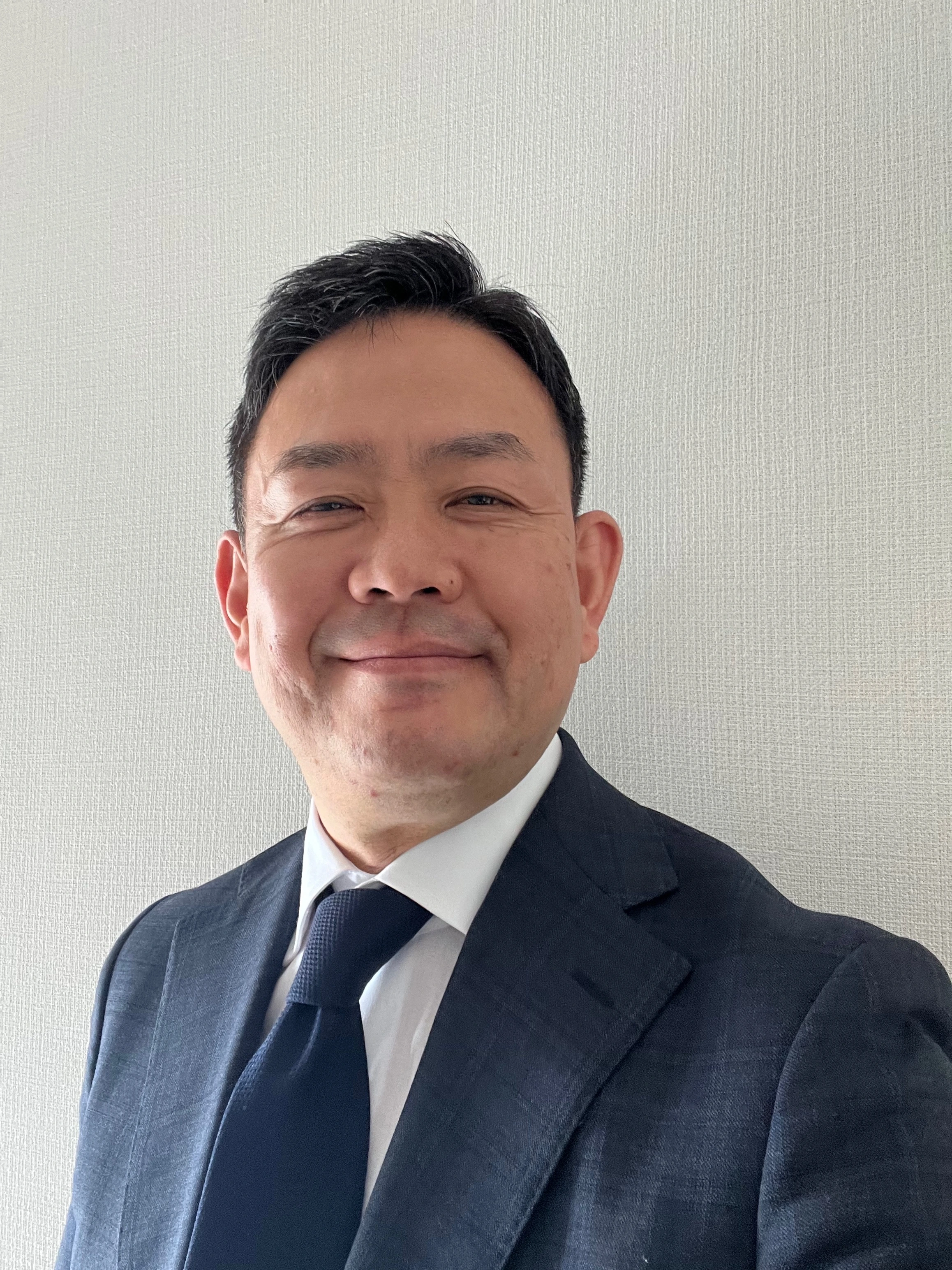
Author: Kenji Nishiyama (Certified Administrative Procedures Legal Specialist(Gyoseishoshi), Registration No.20081126)
Kenji Nishiyama is an Immigration and Visa Specialist who has supported many foreign residents with visa applications in Japan. On his firm’s website, he publishes daily updates and practical insights on immigration and residency procedures. He is also well-versed in foreign employment matters and serves as an advisor to companies that employ non-Japanese workers.