[Blog]The Continuing Vulnerability of Rohingya Women and Children: Statelessness, Non-Removability, and the Balanced Coexistence Model
2026-06-06
The Reality Faced by Rohingya Women and Children
Recent research has highlighted the severe vulnerabilities experienced by Rohingya women and children living in Thailand and Malaysia under conditions of statelessness. Despite fleeing persecution in Myanmar, many continue to live without legal protection, facing the constant threat of immigration detention, deportation, exploitation, and social exclusion.
The Rohingya lost their citizenship under Myanmar’s 1982 Citizenship Law, effectively rendering them stateless. Although many sought refuge in neighboring countries, restrictive immigration policies, limited access to employment and education, and widespread discrimination have left them in precarious circumstances.
The study documents how detention of husbands or fathers often leads families into extreme poverty. Women and children may be forced into child labor, informal work, or even “survival marriages” as a means of coping. The research also highlights the trauma caused by family separation, including cases where boys over the age of twelve are removed from their mothers and placed in adult detention facilities. Long-term detention has contributed to PTSD, chronic anxiety, and intergenerational trauma.
At the same time, Rohingya women demonstrate remarkable resilience. They rely on informal community networks, information-sharing about immigration raids, mutual financial assistance, family support, and religious practices to survive. The paper concludes that statelessness functions as a “multiplier of vulnerability,” intensifying nearly every risk faced by these communities.
The True Nature of the Non-Removability Problem
This research also provides important insights into the nature of the non-removability problem discussed in Japan and elsewhere.
In a previous article, "Beyond Refugee Recognition: Statelessness, and the Ultimate –No Country to Return To–Dilemma" I argued that the issue is not merely an administrative difficulty in executing deportation orders. Rather, it arises when individuals lose meaningful institutional connections with any state willing or able to assume responsibility for their protection.
The Rohingya case illustrates this reality. Myanmar does not fully recognize them as citizens, while host countries are generally reluctant to provide permanent legal protection. As a result, many Rohingya find themselves in a legal limbo where they have nowhere to return and nowhere that fully accepts them.
If non-removability is viewed solely as a failure to enforce immigration law, solutions tend to focus on stronger detention and deportation measures. However, such approaches cannot resolve situations where no safe destination exists or where removal would expose individuals to persecution, violence, or severe human rights violations.
The non-removability problem is therefore not merely an immigration issue. It reflects structural disconnections among nationality systems, refugee protection frameworks, human rights obligations, and international cooperation mechanisms.
International Efforts to Address Statelessness
The international community has undertaken various initiatives to address statelessness and protect vulnerable populations such as the Rohingya.
The United Nations High Commissioner for Refugees (UNHCR) has played a leading role in providing protection, legal assistance, educational support, and resettlement opportunities. Since 2014, UNHCR's #IBelong Campaign has sought to eliminate statelessness worldwide and promote legal recognition for stateless populations.
In addition, both the Global Compact on Refugees and the Global Compact for Safe, Orderly and Regular Migration, adopted in 2018, emphasize international responsibility-sharing rather than leaving individual states to manage displacement challenges alone.
Within Southeast Asia, discussions have increasingly shifted toward social integration measures, including access to education and employment opportunities, rather than relying exclusively on enforcement and detention.
Nevertheless, political concerns, public anxiety, and the perceived burden of long-term integration continue to limit the willingness of many governments to adopt durable solutions.
Consistency with the Balanced Coexistence Model
The experiences of Rohingya women and children strongly align with the principles of the Balanced Coexistence Model.
As explained in my earlier article, "Beyond Borders: Refugee Responsibility in a Balanced Coexistence Model," immigration and refugee policy should not be viewed through a simple binary choice between acceptance and exclusion. Instead, the central challenge is how to create institutional connections that sustain social trust while protecting vulnerable individuals.
The Rohingya experience demonstrates what happens when such institutional connections disappear. Informal community networks emerge to fill the gap, but they cannot fully replace access to education, healthcare, employment, housing, financial services, and legal protection.
From the perspective of the Balanced Coexistence Model, the issue is not fundamentally about nationality, ethnicity, or migration status. Rather, it is about whether individuals remain connected to the institutional systems that allow them to participate in society.
The model defines trust as the combination of understanding, predictability, and reliance. Statelessness undermines all three. Individuals cannot predict their future, societies struggle to understand their legal status, and mutual reliance becomes difficult. The result is a breakdown of trust for both migrants and host communities.
Accordingly, the Balanced Coexistence Model does not advocate either unconditional admission or exclusion. Instead, it seeks to establish transparent and explainable pathways connecting identity verification, legal status, employment, education, social security, and community participation. Through these institutional connections, both protection and social trust can be strengthened.
Conclusion
The situation of Rohingya women and children demonstrates that statelessness is far more than a legal condition. It is a structural vulnerability that affects every aspect of life, from personal safety to economic survival and psychological well-being.
Likewise, the non-removability problem is not simply an enforcement challenge. It emerges when institutional connections between individuals and states break down. While the international community continues to seek solutions, durable answers remain elusive.
The Balanced Coexistence Model suggests that the path forward lies neither in ideological debates nor in purely restrictive measures, but in designing institutions that create trust through explainability and connectivity. The Rohingya case serves as a powerful reminder that the ultimate challenge of migration and refugee policy is how societies connect people to the systems that enable them to live with dignity and security.
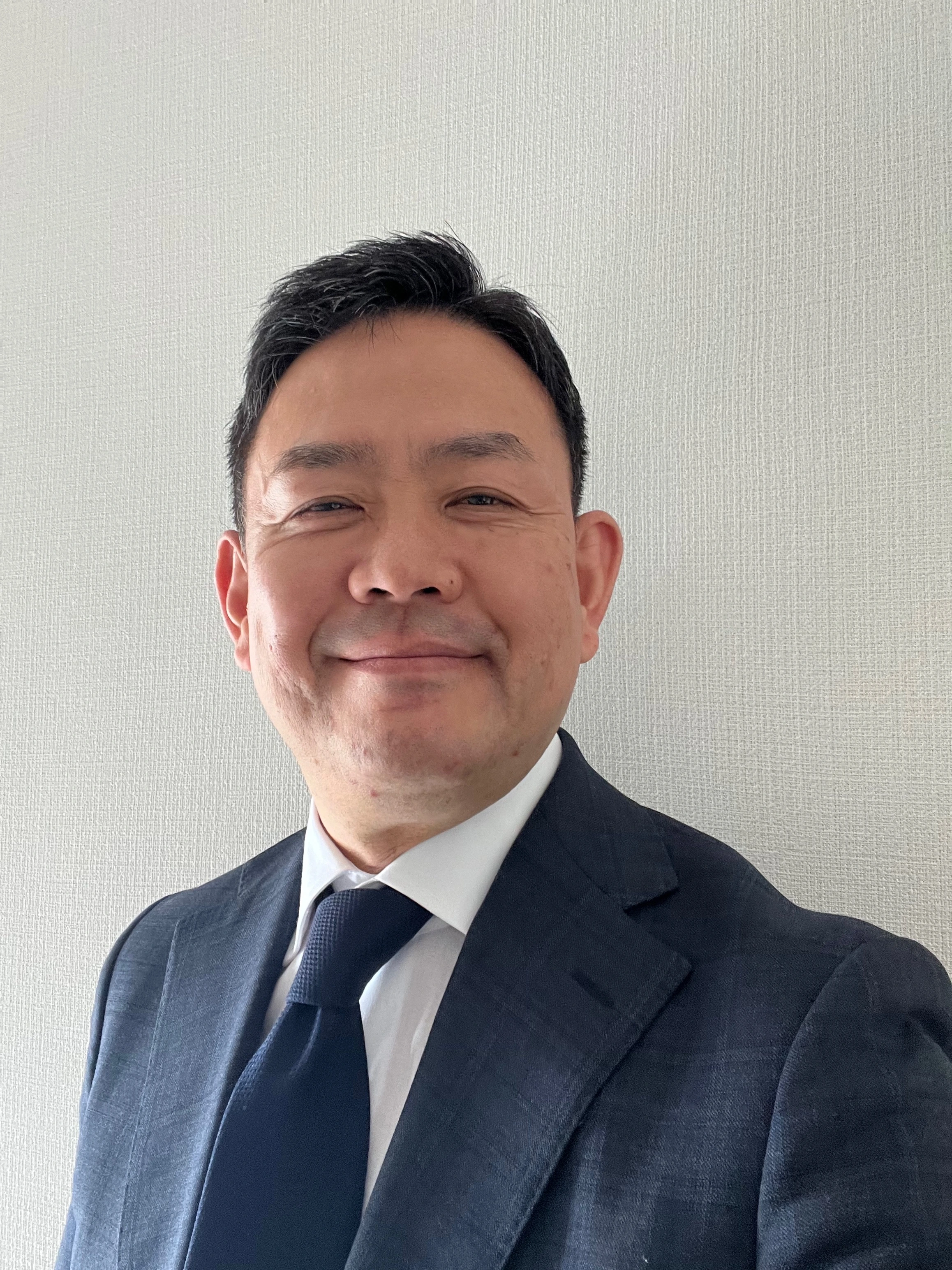
Author: Kenji Nishiyama (Certified Administrative Procedures Legal Specialist(Gyoseishoshi), Registration No.20081126)
Kenji Nishiyama is an Immigration and Visa Specialist who has supported many foreign residents with visa applications in Japan. On his firm’s website, he publishes daily updates and practical insights on immigration and residency procedures. He is also well-versed in foreign employment matters and serves as an advisor to companies that employ non-Japanese workers.