[Blog]Does Permanent Residency and Social Integration Change Society? — Designing Trust Through Long-Term Settlement —
2026-05-30
1. The Question
What does permanent residency truly mean?
In general, permanent residency is understood as a status that allows a person to continue living in Japan without limitations on the period of stay. That is certainly correct. However, the meaning of permanent residency extends far beyond that.
Permanent residency signifies not merely the stabilization of immigration status, but the transformation of the relationship between an individual and society into a long-term one.
Working, paying taxes, joining social insurance systems, forming families, purchasing homes, and participating in local communities — these become stable only when long-term life planning is possible.
Therefore, from the perspective of the Balanced Coexistence Model, the question is not whether permanent residency should be granted or denied.
The real question is how permanent residency should be designed as a system of social integration.
2. Permanent Residency Is Not Merely an “Extension of Stay”
Permanent residency is not simply a longer period of stay.
There is a qualitative difference between extending a visa from one year to three years, or from three years to five years, and granting permanent residency.
Permanent residency allows foreign nationals to make long-term life plans more realistically. Housing loans, children’s education, business investment, community activities, caregiving, and retirement planning all depend upon stable residence.
In other words, permanent residency is not merely an administrative status; it is institutional infrastructure for long-term connection to society.
3. How Permanent Residency Changes Society
Permanent residency changes not only the lives of foreign nationals, but also society itself.
Foreign residents begin to exist not as temporary labor, but as long-term members of local communities.
For companies, this makes it possible to invest in long-term human resource development, including skill formation and promotion into management positions. For local communities, foreign residents become not temporary visitors, but participants in neighborhood associations, schools, healthcare systems, welfare systems, and local economies.
Permanent residency therefore requires society itself to adopt a long-term relational perspective.
In this sense, permanent residency changes society.
4. Concerns About Permanent Residency
At the same time, concerns regarding permanent residency also exist.
Are taxes and social insurance obligations being properly fulfilled? Are foreign residents participating in local communities? Do they understand Japanese language and social rules? Will social welfare burdens increase in the future? Will social ties continue after permanent residency is granted?
These concerns should not simply be dismissed as xenophobia.
Because permanent residency involves long-term social connection, it is reasonable for society to require certain conditions of trust.
The important issue is whether those conditions are clear, explainable, and consistently applied.
5. Permanent Residency Review and Conditions of Trust
In permanent residency examinations, factors such as tax payment, social insurance participation, income stability, conduct, and immigration history are emphasized.
These should not merely be understood as tools of stricter control.
Rather, they can be viewed as conditions necessary for building long-term trust between the individual and society.
However, the key issue is not the existence of these conditions themselves.
The key issue is how they are applied.
If standards are unclear, permanent residency reviews become unstable. If reasons for denial are not adequately explained, decisions appear arbitrary. If applicants cannot predict how minor past non-compliance may affect their future, they cannot plan their lives.
Therefore, explainability, consistency, and predictability are essential in permanent residency systems as well.
6. Permanent Residency Is Not a “Reward”
Permanent residency is not a reward given to foreign nationals for enduring hardship over time.
Nor is it simply a privilege granted unilaterally by the state.
Permanent residency is a system for institutionalizing long-term trust between individuals and society.
Therefore, it is insufficient to regard permanent residency merely as something granted to people who “worked hard.”
Rather, permanent residency should be understood as institutional recognition that individuals can rely on society, and society can rely on them in return.
At this point, not only the efforts of the individual but also whether institutions themselves have properly connected that person to society become relevant.
7. Is Social Integration a Precondition or a Result?
Discussions about permanent residency often treat social integration as a precondition.
In other words, permanent residency is granted because a person is already sufficiently integrated.
However, the Balanced Coexistence Model argues that this understanding alone is insufficient.
This is because permanent residency itself promotes social integration.
If residence status remains unstable, long-term educational investment, home ownership, community participation, vocational training, and business development become difficult. Conversely, when permanent residency stabilizes residence, individuals are able to engage more deeply with society.
In other words, social integration is both a precondition for permanent residency and a result of it.
8. The Limits of Stricter Permanent Residency Policies
Stricter permanent residency screening does not necessarily increase trust in the system.
Of course, tax obligations and social insurance responsibilities should not be ignored. Fulfilling certain obligations as a member of society is important.
However, if standards become excessively strict, explanations become insufficient, and predictability disappears, permanent residency systems generate distrust rather than trust.
The problem is not strictness itself.
The problem is whether strictness is accompanied by explainability and institutional connection.
For example, if taxes or social insurance contributions are unpaid, evaluations should differ depending on whether responsibility lies with the individual, the employer, or inadequate institutional understanding.
Strict enforcement that ignores responsibility structures concentrates disadvantages upon vulnerable individuals.
9. Permanent Residency and Mutual Obligations
Permanent residency is not a system that imposes obligations only upon foreign nationals.
Foreign residents do have responsibilities: compliance with laws, tax payment, social insurance participation, understanding social rules, and community involvement.
However, society and institutions also bear responsibilities.
These include accessible information, stable immigration procedures, effective labor protection, proper social insurance access, prevention of discrimination, and opportunities for community participation.
Without these, integration conditions become burdens imposed solely upon individuals.
Within the Balanced Coexistence Model, permanent residency is a system of mutual obligations.
10. Conclusion
Permanent residency is not merely stable immigration status.
It is a system that transforms the relationship between individuals and society into a long-term one.
For that reason, permanent residency requires conditions of trust. Tax payment, social insurance participation, stable living conditions, legal compliance, and social participation are all important.
However, these must not be administered through unclear discretion or unilateral selection.
Permanent residency systems require explainability, consistency, predictability, and mutual obligations.
Social integration is both a precondition for permanent residency and a process promoted by it.
When permanent residency is designed not merely as a mechanism of control but as a trust-based system of social integration, foreign nationals cease to be temporary labor and become members who help sustain society together.
At that point, permanent residency changes society.
※ This article is positioned as a chapter within the table of contents constituting the Balanced Coexistence Model.
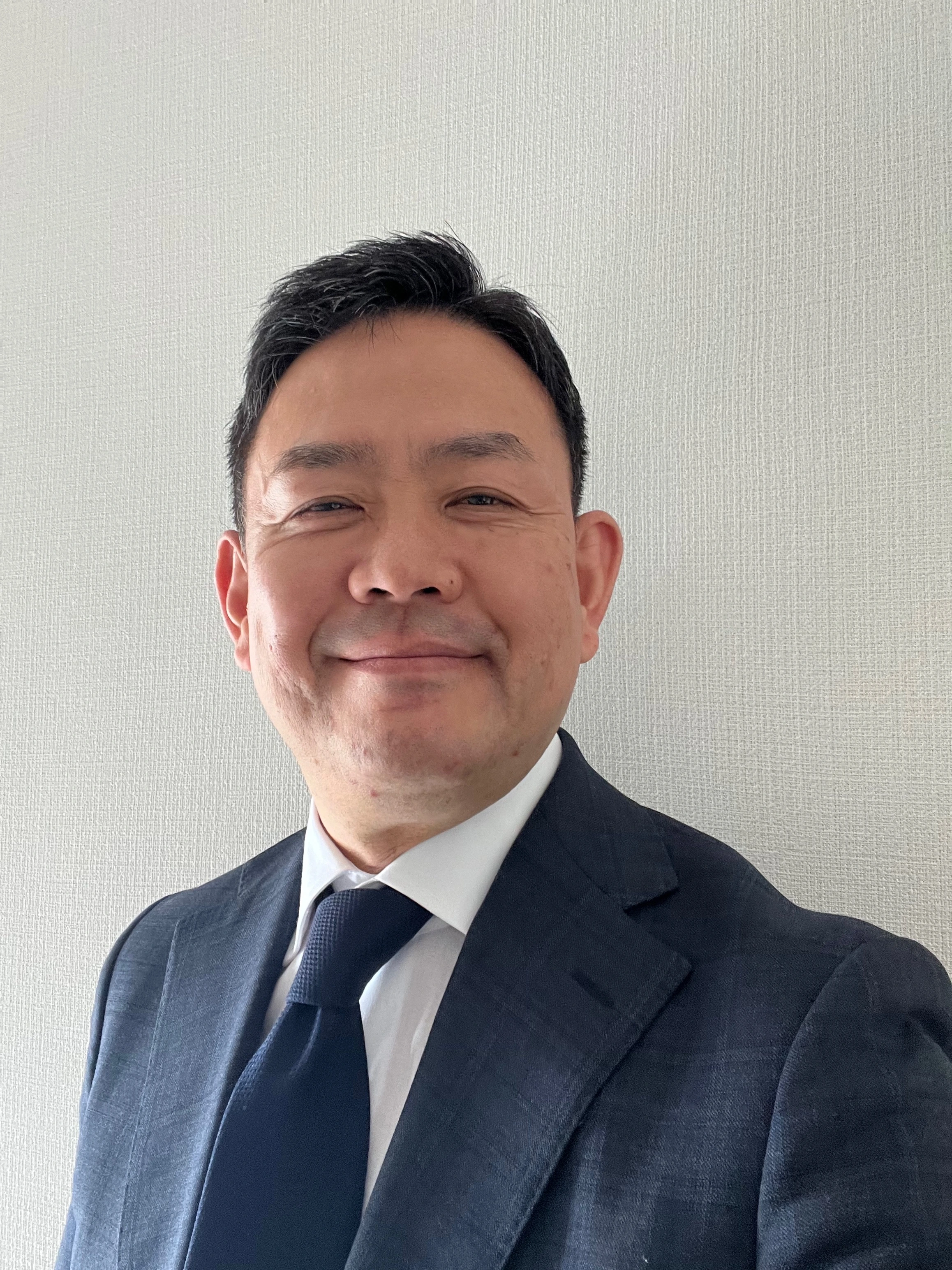
Author: Kenji Nishiyama (Certified Administrative Procedures Legal Specialist(Gyoseishoshi), Registration No.20081126)
Kenji Nishiyama is an Immigration and Visa Specialist who has supported many foreign residents with visa applications in Japan. On his firm’s website, he publishes daily updates and practical insights on immigration and residency procedures. He is also well-versed in foreign employment matters and serves as an advisor to companies that employ non-Japanese workers.