[Blog]What Local Government Support for Foreign Residents Truly Means
2026-05-18
The initiative introduced in this article, which focuses on support for foreign care workers in Shiga Prefecture, represents far more than a simple labor shortage countermeasure. From the perspective of the Balanced Coexistence Model, it symbolizes a transition from treating foreign nationals as temporary labor resources toward recognizing them as long-term members of local communities.
The Care Worker Shortage Is a Structural Social Problem
According to the article, Shiga Prefecture expects a shortage of approximately 9,000 care workers by 2040, of which around 2,800 are expected to be filled by foreign workers. This demonstrates that the acceptance of foreign care workers is no longer an exceptional or supplementary policy. It is increasingly becoming a structural requirement for maintaining regional care systems and supporting an aging society.
Acceptance Without Support Cannot Build Trust
The Balanced Coexistence Model argues that immigration acceptance does not end with granting residence status. Trust in institutions can only emerge when employment, education, daily life, and community participation are properly connected. If a country asks foreign nationals to “come and work” while leaving language acquisition, qualification attainment, and social integration entirely to the individual, that is not true acceptance. It is merely dependence on foreign labor.
Qualification Support Is Also Settlement Support
The Shiga program includes not only practical training necessary for the national care worker examination, but also classes on Japanese culture, local events, communication support, and review sessions for coursework. This is highly significant. Obtaining professional qualifications is not simply a certification of technical skills. For foreign workers, it provides a foundation for long-term life planning. For care facilities, it improves retention and stability. For local communities, it contributes to the sustainability of essential social services.
Local Governments Fill the Gap Between National Systems and Daily Reality
Japan’s immigration system is designed as a nationally unified legal framework. However, foreign residents actually live, work, study, and interact with society at the municipal level. Labor shortages, language barriers, housing issues, and community relations cannot be solved solely through residence status regulations. This is where local governments become critically important. Municipalities can function as the actors that bridge the implementation gap between national immigration policy and the realities of local society.
Foreign Residents Also Choose Their Communities
The article notes that Shiga Prefecture hopes to become a region selected by foreign workers through its support initiatives. This perspective is extremely important. In a shrinking society like Japan, foreign workers are not simply people chosen by Japan. They themselves choose where to live, work, and build their futures. Therefore, regions that wish to attract and retain foreign residents must provide not only wages and employment opportunities, but also language support, career development, daily life assistance, and opportunities for community participation.
Evaluation from the Perspective of the Balanced Coexistence Model
From the viewpoint of the Balanced Coexistence Model, such local government support deserves strong recognition because it attempts to balance the interests of multiple stakeholders simultaneously. Foreign workers gain stability and professional growth. Care facilities gain workforce retention. Local residents gain sustainable care services. Governments gain practical and socially stable policy outcomes. In this sense, the initiative contributes to institutional trust rather than merely labor supply management.
Support Must Be Institutionalized
At the same time, there is an important challenge. If these support measures depend only on a few motivated municipalities or individual facilities, regional inequality will inevitably grow. Since foreign worker acceptance is becoming nationwide, support systems for qualification acquisition, language learning, housing, consultation services, and social integration should not remain temporary projects. They must become sustainable institutional frameworks. Otherwise, the future opportunities available to foreign residents will vary drastically depending on where they happen to live.
From “Labor Force” to “Community Stakeholders”
The importance of foreign workers in the care sector will continue to increase in the coming decades. However, if foreign nationals are treated merely as labor used to fill shortages, long-term settlement and social trust will remain fragile. In contrast, if systems are built to support career development, stable living, and social participation, foreign residents can become essential stakeholders within regional communities. The Shiga initiative demonstrates the direction such policies should take.
Conclusion
The significance of local government support for foreign residents lies in the recognition that immigration policy cannot be managed solely through border control or residence status administration. The Balanced Coexistence Model emphasizes that true coexistence requires institutional environments in which foreign residents can continue working, learning, and living with stability and dignity. Municipal initiatives that support foreign residents as members of the community may become one of the central pillars of coexistence policy in Japan’s era of population decline.
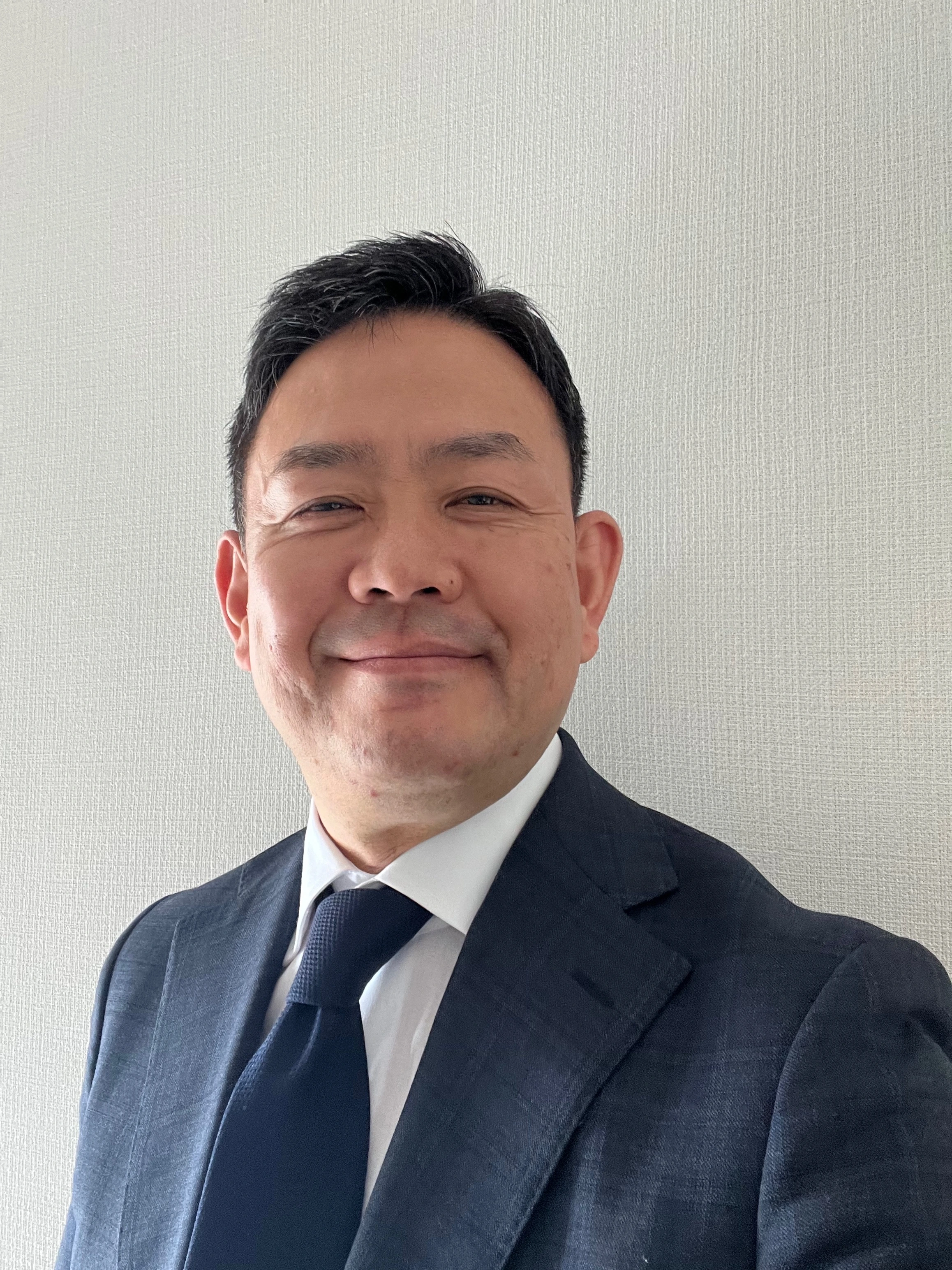
Author: Kenji Nishiyama (Certified Administrative Procedures Legal Specialist(Gyoseishoshi), Registration No.20081126)
Kenji Nishiyama is an Immigration and Visa Specialist who has supported many foreign residents with visa applications in Japan. On his firm’s website, he publishes daily updates and practical insights on immigration and residency procedures. He is also well-versed in foreign employment matters and serves as an advisor to companies that employ non-Japanese workers.