
[Blog]Learning from Switzerland: What Japan Can Draw from Swiss Asylum Reform
2026-04-01
The report published in March 2026 by the Social Market Foundation, “Swiss role model?”, offers a detailed analysis of how Switzerland rebuilt public trust in its asylum system. At its core lies a simple yet powerful idea: an asylum system must be fast, fair, and enforceable at the same time. This is not merely about processing speed or acceptance rates. It is about designing a system that protects those in need while maintaining credibility in decisions, including refusals. Japan, too, faces multidimensional challenges in its refugee status determination system, including lengthy procedures, perceived lack of transparency, the relationship with complementary protection, post-rejection handling, and integration after recognition. The Swiss experience provides valuable insights into how such a system can be restructured as a whole.
Speed and fairness are not mutually exclusive
One of the most striking aspects of the Swiss reform is that it did not pursue speed at the expense of fairness. Instead, it strengthened legal support at the earliest stage of the procedure. Many applications are processed under an accelerated procedure with a target timeline of around 140 days, while applicants are guaranteed state-funded legal advice and representation from the beginning. Moreover, the use of Federal Asylum Centres brings together interviews, legal consultation, interpretation, and administrative functions in one place. This integrated design enables both faster and more accurate decision-making. The key lesson is that careful examination and rapid processing can coexist if the system is designed to front-load support and information. In Japan, speed and accuracy are often framed as a trade-off, but the Swiss model suggests that early-stage investment can reduce delays, appeals, and systemic inefficiencies.
First implication: institutionalising early-stage legal and informational support
In Japan, a critical issue lies in the information gap at the initial stage of asylum applications. Determining refugee status or eligibility for complementary protection requires complex fact-finding, including country-of-origin information and detailed personal narratives. Without proper guidance, applicants may submit incomplete or inconsistent claims, leading to prolonged procedures and repeated corrections. The Swiss approach highlights the importance of providing structured legal advice, interpretation, and case preparation from the outset. This is not only a matter of protecting applicants’ rights; it also benefits the administration by clarifying issues early, improving evidence quality, and making decisions more coherent. For Japan, this suggests the need to standardise initial guidance, ensure access to professional support, and introduce mechanisms for early issue identification before substantive interviews.
Second implication: rethinking fragmentation in procedures and support
The Swiss system demonstrates that institutional design, including physical and organisational structure, significantly affects performance. When applicants, officials, interpreters, and legal advisors are dispersed, procedures become slower and more prone to misunderstanding. Federal Asylum Centres address this by centralising key functions, allowing continuous engagement between applicants and authorities. While Japan may not replicate this model directly, the underlying principle is highly relevant. A more integrated, hub-based approach—especially in the early stages—could enhance both efficiency and the quality of assessments. Bringing together interviews, interpretation, medical assessments, vulnerability screening, and legal support would reduce fragmentation and improve consistency in decision-making.
Third implication: integrating post-recognition support into system design
Another notable feature of the Swiss system is its clear linkage between recognition and integration. Support for recognised refugees is tied to labour market participation and language acquisition, with financial frameworks connecting federal and regional responsibilities. In Japan, discussions on asylum often focus narrowly on the recognition process itself. However, the real question is whether recognised individuals can build stable lives as members of society. Without access to housing, employment, language education, healthcare, and community networks, recognition alone is insufficient. The Swiss model suggests that asylum systems should be designed not only to determine status but also to facilitate sustainable integration.
Fourth implication: trust cannot be restored through restriction alone
The report does not present Switzerland as a model of mere strictness. Rather, it highlights a balanced reform process that combined early legal support, rapid decision-making, return policies, and extensive piloting with independent evaluation. Public trust was rebuilt not through rhetoric, but through predictability and transparency. In Japan, debates on asylum policy often fall into a binary between stronger protection and stricter control. The Swiss experience shows that trust emerges from a system where decisions are timely, procedures are fair, and outcomes are clearly explained. A credible system is neither lenient nor harsh; it is one that is understandable and consistent.
The key lesson for Japan: sequencing matters in institutional reform
Switzerland and Japan differ in geography, migration patterns, and administrative traditions. The goal is not to copy the Swiss model, but to understand the order in which reforms were implemented. First, pilot programs were tested and evaluated before nationwide rollout. Second, acceleration was supported by front-loaded legal and informational infrastructure. Third, the system was designed holistically, including both post-recognition integration and post-rejection handling. Fourth, consensus was built among stakeholders, including government, local authorities, NGOs, and legal professionals. Japan’s asylum reform would benefit not from slogans, but from following this sequence of institutional design.
An asylum system is not only a mechanism for border control; it is also a reflection of how a country responds to human vulnerability. The Swiss experience demonstrates that speed, fairness, and enforceability can be aligned through thoughtful design. For Japan, the challenge is not to choose between protection and control, but to build a system that is explainable, sustainable, and oriented toward integration.
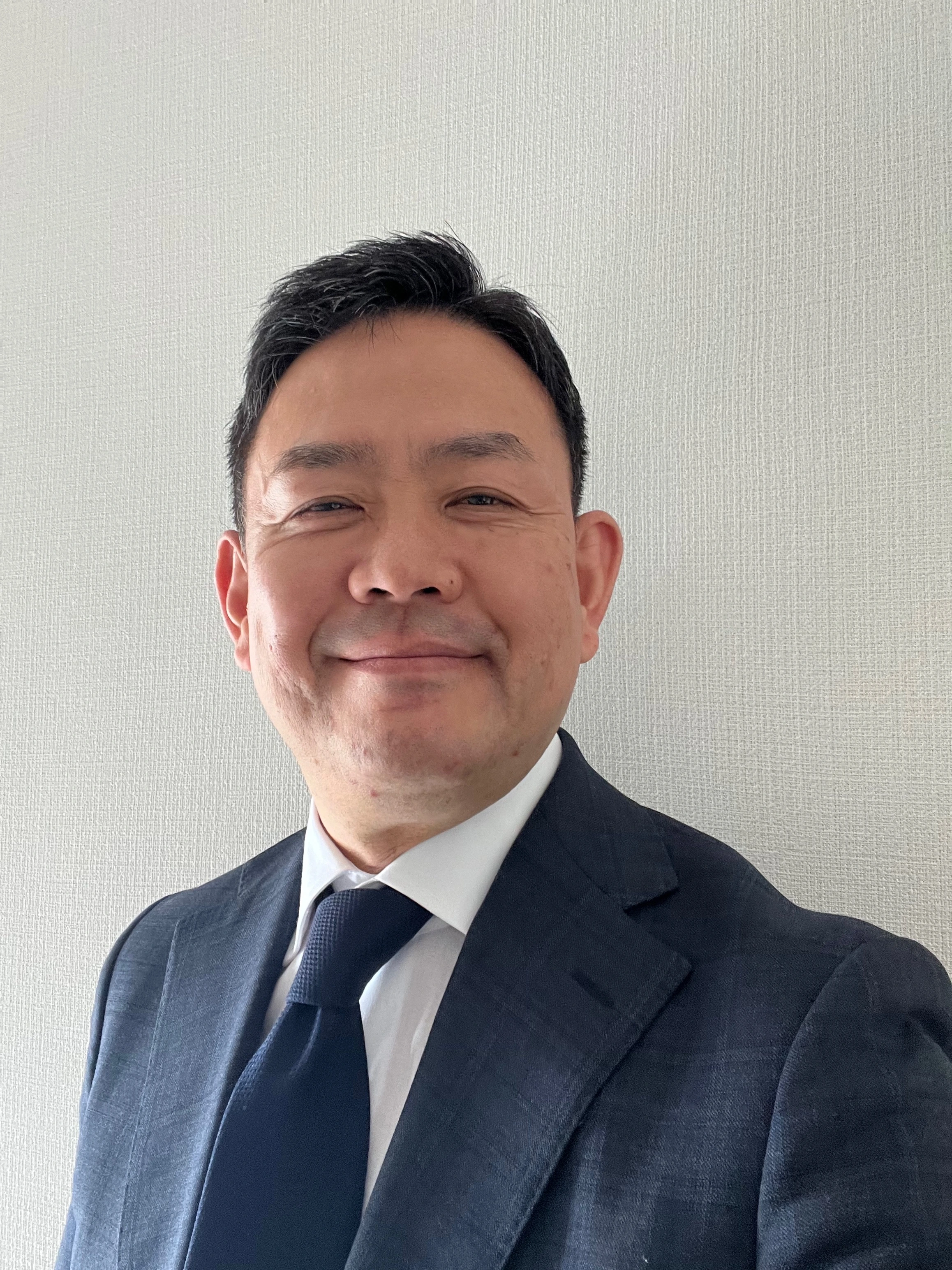
Author: Kenji Nishiyama (Certified Administrative Procedures Legal Specialist(Gyoseishoshi), Registration No.20081126)
Kenji Nishiyama is an Immigration and Visa Specialist who has supported many foreign residents with visa applications in Japan. On his firm’s website, he publishes daily updates and practical insights on immigration and residency procedures. He is also well-versed in foreign employment matters and serves as an advisor to companies that employ non-Japanese workers.