[Blog]Learning Through Advocacy: What Japan Can Learn from the MSU Immigration Law Clinic
2026-02-13
The article Justice in action: How MSU’s Immigration Law Clinic balances education and advocacy, published by The State News on February 2, 2026, highlights how the Immigration Law Clinic at Michigan State University (MSU) combines legal education with real-world immigrant support. As the number of foreign residents continues to grow in Japan, and issues such as language barriers, lack of legal knowledge, and shortage of support professionals become more visible, this model—where universities act as community support hubs—offers important lessons.
1. The core idea: the classroom becomes the field
According to the article, MSU’s Immigration Law Clinic was founded in 2010 and allows law students to represent real clients under close supervision from faculty attorneys. The cases involve vulnerable populations such as people fleeing persecution, victims of crime or human trafficking, and abandoned or abused children. These are high-stakes legal matters where the outcome can shape a person’s entire life. One striking point in the article is the idea that “the clients themselves are the textbook.” Legal education is no longer abstract knowledge but a practical tool used to protect real people.
2. Why pro bono work improves quality and ethics
The clinic operates without charging clients, which removes the pressure to prioritize speed or profit. In immigration law, careful preparation—gathering evidence, building a narrative, preparing for interviews—is essential. A rushed or careless approach can have serious consequences. A pro bono environment allows students to focus on quality, ethics, and responsibility. In Japan, many immigration-related consultations involve complex, low-profit, or pro bono work handled by administrative scriveners, lawyers, and nonprofit groups. Establishing stable institutional support—funding, translation services, shared resources—would help maintain quality and sustainability.
3. Universities as anchors in times of fear and uncertainty
The article also notes how frequent policy changes create confusion and anxiety among immigrants. Even when local governments or universities show support, they cannot always stop federal enforcement. This highlights the importance of institutional preparedness: clear procedures, legal guidance, and internal coordination. At MSU, the General Counsel’s office plays a role in ensuring that staff know how to respond to enforcement actions and protect students’ rights. In Japan, schools and workplaces often struggle with how much information they should provide or how to respond to immigration-related issues. Establishing clear consultation channels linking legal professionals, administrators, and frontline staff would reduce uncertainty.
4. The “red card” model: practical rights education
The article introduces the use of “red cards,” small multilingual cards explaining immigrants’ rights during encounters with authorities. This is a powerful example of turning complex legal rights into practical, portable tools. In Japan, misunderstandings frequently occur around identity checks, residence card obligations, employment documentation, or school requirements. Providing simple, multilingual guidance that explains what individuals must show, what they may refuse, and where to seek help could prevent many conflicts. Local governments and international associations could standardize such materials and distribute them through schools and workplaces.
5. Implication for Japan: integrating clinical education into legal training
Japan’s legal education includes mock trials and lectures by practitioners, but immigration-focused clinical programs remain limited. Clinical programs offer two key benefits. First, they help train professionals who understand the realities of migration-related issues, which often combine legal, social, and administrative challenges. Such experience is valuable not only for lawyers, but also for municipal officials, educators, and corporate HR staff. Second, university clinics can strengthen local support networks, especially in regional areas where foreign workers and students are increasing but legal resources are scarce.
6. Building collaborative teams: scriveners, lawyers, universities, and municipalities
Japan’s immigration system relies heavily on administrative scriveners for application procedures, while lawyers handle litigation and detention-related cases. A university clinic model could function as a platform for structured collaboration. For example, initial consultations could be handled at university or municipal desks, application preparation by administrative scriveners, and litigation by lawyers when necessary. Schools’ language programs and career counseling services could also be linked to this network. Turning these handoffs into a standardized protocol rather than ad hoc referrals would improve consistency and outcomes.
7. Designing information for clarity, not just accuracy
The article points out that immigration debates are often shaped by a lack of accurate information. Japan faces similar challenges, where emotional or political narratives can overshadow the realities of the system. Instead of long legal explanations, practical tools—checklists, short videos, multilingual Q
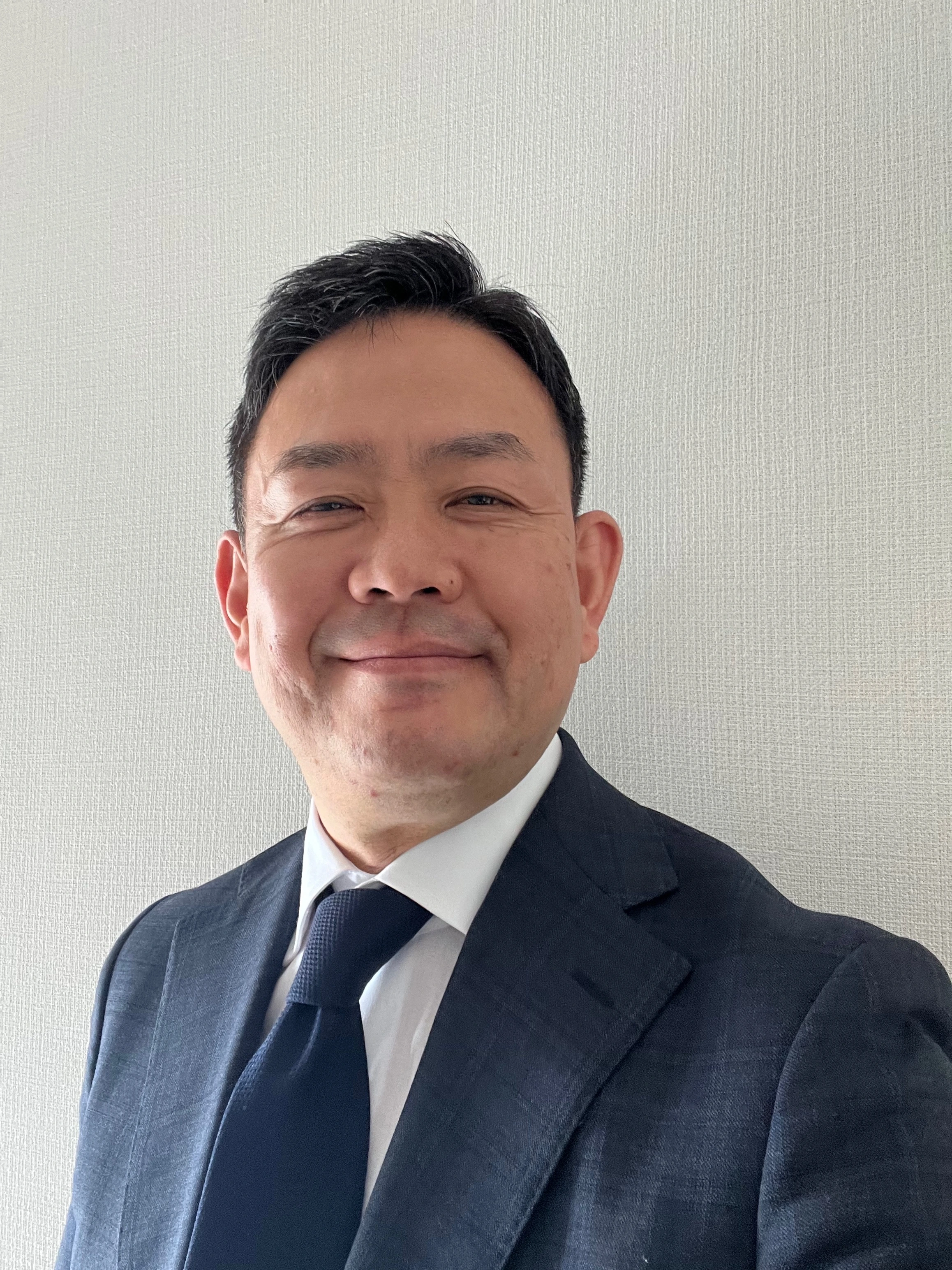
Author: Kenji Nishiyama (Certified Administrative Procedures Legal Specialist(Gyoseishoshi), Registration No.20081126)
Kenji Nishiyama is an Immigration and Visa Specialist who has supported many foreign residents with visa applications in Japan. On his firm’s website, he publishes daily updates and practical insights on immigration and residency procedures. He is also well-versed in foreign employment matters and serves as an advisor to companies that employ non-Japanese workers.