[Blog]Part 3: Language Criteria — Integration Tools, Not Simple Barriers
2026-01-16
Discussions about adding “language requirements” to residency frameworks often risk misunderstanding. Internationally, the focus is rarely on migrants’ mother tongues, but rather on proficiency in the host country’s public language as a means of facilitating employment, civic participation, and social cohesion.
Netherlands: Civic Integration Requirements
The Netherlands requires applicants for permanent residence or naturalization to meet civic integration standards, including Dutch-language proficiency, typically aligned with CEFR benchmarks (Civic Integration requirements). The policy is paired with structured integration programs, but critics note risks for vulnerable groups if support systems are insufficient.
Denmark: Language as a Condition for Permanence
Denmark also incorporates language tests into permanent residence criteria (Permanent residence permit requirements). This strengthens public confidence in integration but may function as a de facto exclusion mechanism if educational access is uneven.
Canada: Incentives Rather Than Hard Requirements
Canada’s francophone prioritization relies less on mandatory thresholds and more on incentives through selection points and targeted draws. While this supports cultural objectives, it has raised concerns about sidelining economically strong candidates without French skills (The Star analysis).
Key Challenges for Japan
If Japan considers language criteria, several issues must be addressed simultaneously: when in the migration process language is assessed; whether requirements are staged rather than front-loaded; the availability of affordable language education; and the impact on families and children. Language rules without sufficient support risk increasing irregular status or social exclusion.
In conclusion, overseas examples provide useful reference points, not ready-made solutions. For Japan, any move toward quantitative management or language-linked residency criteria should follow a clear sequence: define objectives, build reliable data, invest in education and integration support, and ensure transparent administration. Only then can cultural goals and economic needs be balanced in a sustainable immigration framework.
Referenced articles: Nikkei / The Toronto Star.
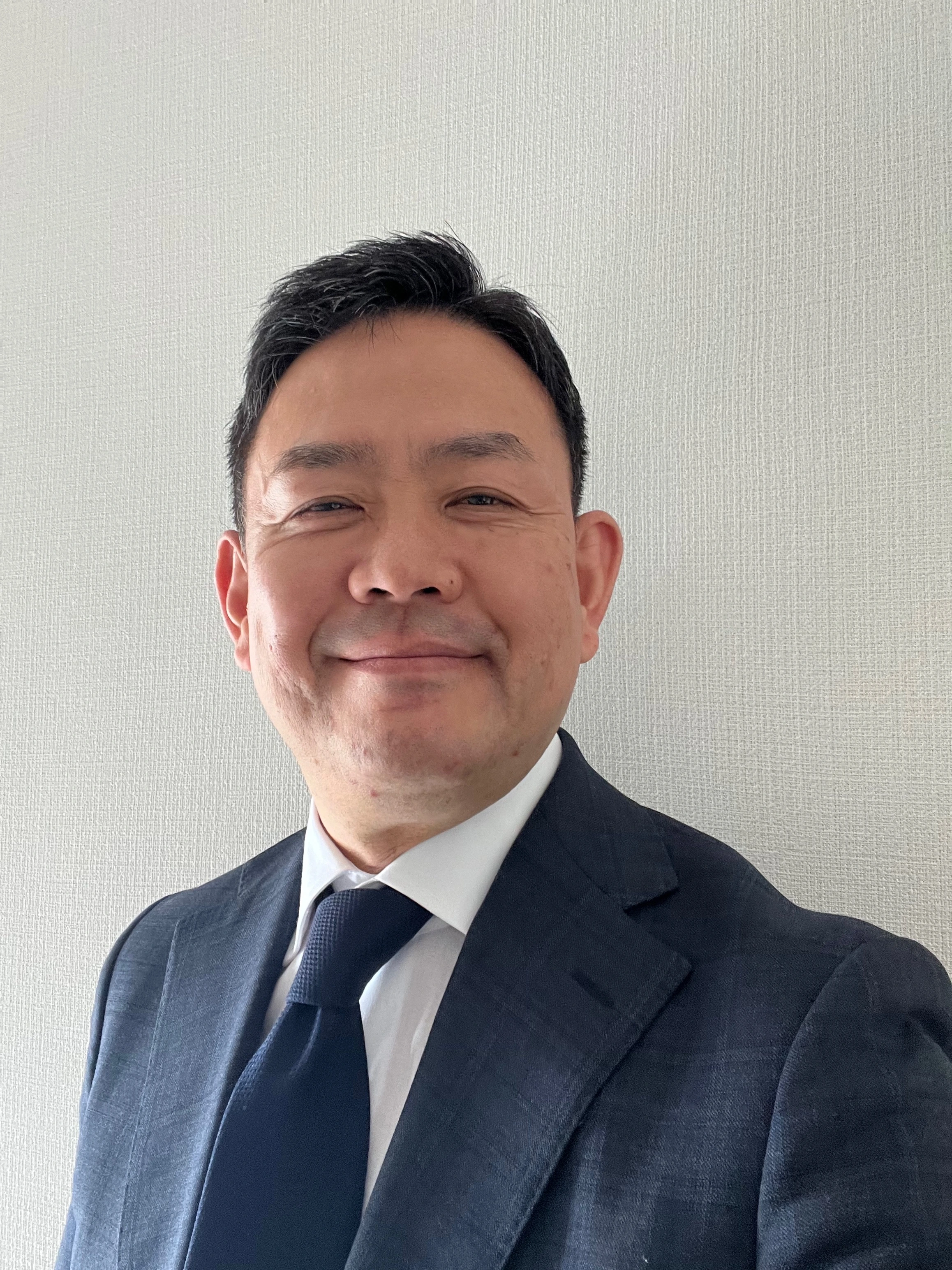
Author: Kenji Nishiyama (Certified Administrative Procedures Legal Specialist(Gyoseishoshi), Registration No.20081126)
Kenji Nishiyama is an Immigration and Visa Specialist who has supported many foreign residents with visa applications in Japan. On his firm’s website, he publishes daily updates and practical insights on immigration and residency procedures. He is also well-versed in foreign employment matters and serves as an advisor to companies that employ non-Japanese workers.