[Blog]Key Policy Shift #5 for Employers — A Philosophical Turn in Japan’s Immigration Policy
2026-01-10
This article concludes our five-part series analyzing immigration measures that represent a clear departure from Japan’s traditional immigration policy. It is based on the Immigration Services Agency of Japan’s 2025 policy framework and related materials published at Immigration Services Agency: Immigration Policy Framework. This fifth installment will go beyond individual systems and operational theories to summarise the ideology and philosophy towards which Japan's immigration policy is shifting, and what is expected of employers within this context.
The Traditional Philosophy Behind Japan’s Immigration Policy
For decades, Japan’s immigration system was built on the premise that the country was not pursuing an immigration policy. Foreign nationals were framed as temporary workers or exceptional talent, admitted under tightly controlled conditions. Immigration administration focused on order, restriction, and compliance. Employers were expected to cooperate by following rules, but their role was largely procedural: verify eligibility, submit paperwork, and avoid violations.
A Clear Philosophical Shift in the 2025 Framework
The 2025 policy framework signals a fundamental change in perspective. Keywords such as coexistence, settlement, and sustainability appear repeatedly throughout the documents. Foreign nationals are no longer viewed solely as managed objects of control, but increasingly as members of Japanese society whose stability affects the nation’s future. While the government still avoids explicitly labeling this as an “immigration policy,” the underlying assumptions have clearly evolved.
Employers Repositioned as System Stakeholders
Within this new philosophy, employers are no longer peripheral actors. They are repositioned as essential stakeholders responsible for ensuring that foreign workers can live and work stably in Japan. Support systems, appropriate job placement, employment continuity, and workplace integration are no longer optional gestures of goodwill. They are increasingly treated as integral components of the immigration system itself.
Why Employer Attitudes Now Matter So Much
The policy framework reflects a recognition that the state alone cannot manage foreign resident integration. For most foreign nationals, the workplace is the primary point of contact with Japanese society. Employer practices therefore directly shape outcomes related to compliance, settlement, and social cohesion. As a result, corporate governance, management philosophy, and internal accountability have become policy concerns.
Stricter Rules Do Not Mean Exclusion
Recent reforms are often described as “tightening” or “restrictions.” However, viewed holistically, the 2025 framework is less about exclusion and more about sustainability. The aim is to prevent disorderly or exploitative practices while creating a system that can endure. For employers who maintain lawful, transparent, and supportive employment practices, the reforms may actually increase predictability and fairness.
The Perspective Employers Must Now Adopt
Going forward, foreign employment should be evaluated not only in terms of immediate labor needs or cost efficiency, but also in light of policy intent. Employers must ask whether an employment arrangement aligns with the purpose of the residence status and whether it supports the worker’s long-term stability. Short-term fixes that ignore these considerations are increasingly likely to conflict with the system.
Series Summary
Across this series, we have examined five major shifts in Japan’s immigration policy: the move toward coexistence, the transition to substance-based reviews, the clarification of employer responsibility, the expansion of data integration and My Number usage, and finally this philosophical transformation. Together, these changes reflect a redefinition of foreign employment from an exception to a structural reality.
Final Thoughts
Japan’s approach to foreign employment is entering a new phase. Employers are no longer expected merely to comply with rules, but to actively support the policy framework through responsible practices and long-term thinking. The 2025 framework marks not an endpoint, but a starting line. How employers choose to engage—with caution, resistance, or leadership—will shape both their own sustainability and Japan’s evolving immigration landscape.
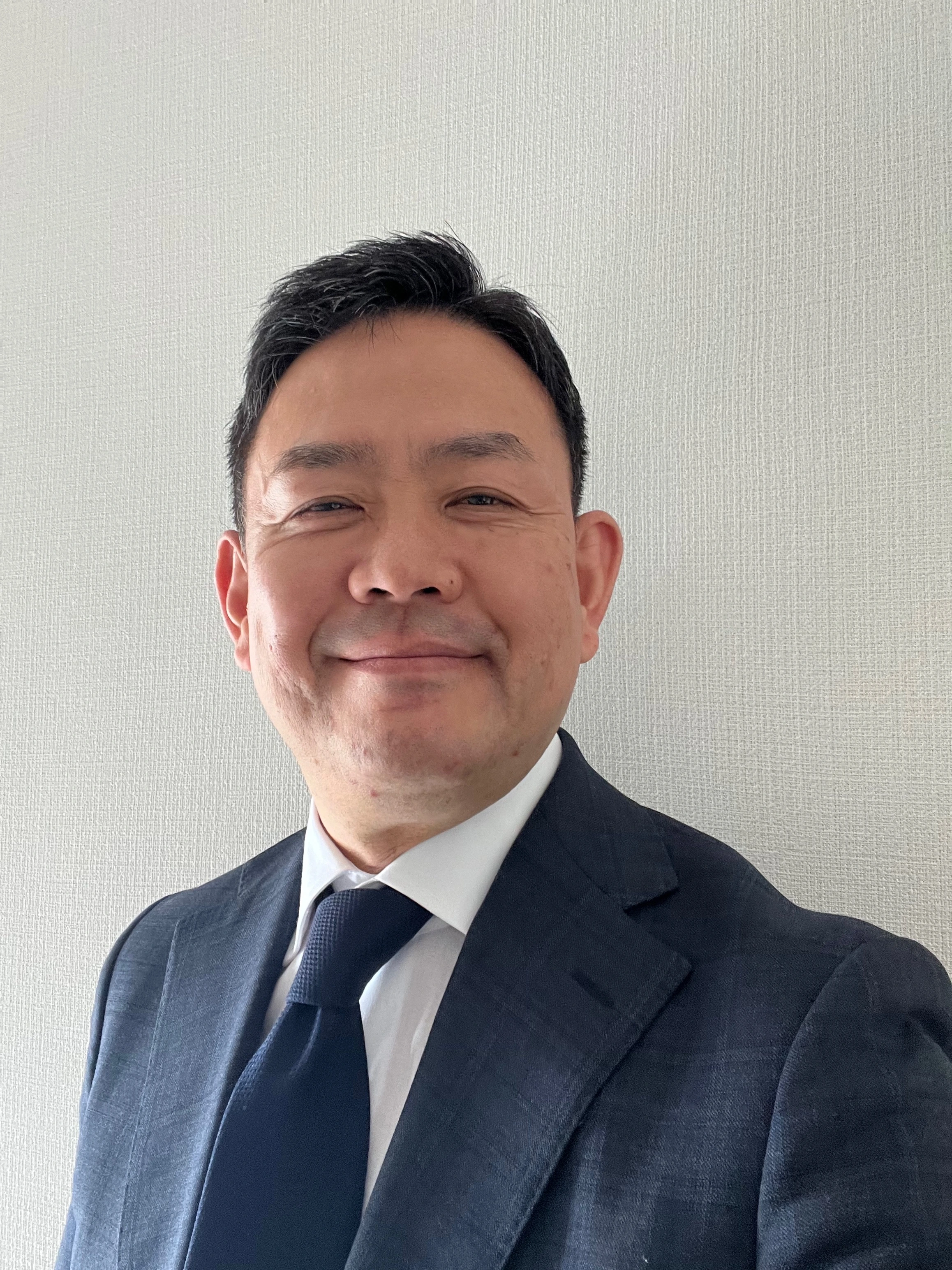
Author: Kenji Nishiyama (Certified Administrative Procedures Legal Specialist(Gyoseishoshi), Registration No.20081126)
Kenji Nishiyama is an Immigration and Visa Specialist who has supported many foreign residents with visa applications in Japan. On his firm’s website, he publishes daily updates and practical insights on immigration and residency procedures. He is also well-versed in foreign employment matters and serves as an advisor to companies that employ non-Japanese workers.