[Blog]Key Policy Shift #3 for Employers — Corporate Responsibility Becomes Explicit
2026-01-06
This article is the third installment in our five-part series examining immigration policies that represent a clear departure from Japan’s traditional approach. It is based on the Immigration Services Agency of Japan’s 2025 policy framework and related materials available at Immigration Services Agency: Immigration Policy Framework. In this installment, we focus on a critical shift affecting all major work-related residence statuses: the explicit clarification of employers’ ongoing management responsibility.
From “Individual Responsibility” to “Corporate Responsibility”
Traditionally, issues related to residence status were often treated as the responsibility of the foreign national. If a violation occurred—such as engaging in unauthorized activities or overstaying—it was typically framed as an individual failure. Employers were sometimes able to distance themselves by claiming lack of awareness. The 2025 policy framework clearly moves away from this logic. It positions employers as primary actors responsible for ensuring that foreign workers engage in appropriate activities consistent with their residence status throughout the period of employment.
Specified Skilled Worker: Support Obligations Reinterpreted
Under the Specified Skilled Worker system, employers have long been required to implement support plans. However, the new policy direction emphasizes that support must be substantive, not merely procedural. Language assistance, daily-life orientation, and consultation systems must function in practice. Even when support duties are outsourced to registered support organizations, the receiving company remains the ultimate responsible party. Delegation does not eliminate accountability.
Engineer/Specialist in Humanities/International Services: Oversight Becomes Central
The Engineer/Specialist in Humanities/International Services status has historically been regarded as flexible and employer-friendly. However, the policy framework indicates increasing scrutiny of how companies manage these employees. Employers are expected to monitor whether assigned duties retain professional relevance, whether role changes remain appropriate, and whether working conditions align with the stated purpose of the visa. Consent by the employee does not legitimize arrangements that undermine the intent of the residence status.
Highly Skilled Professional: Privilege Comes with Oversight
Highly Skilled Professional status offers significant benefits, but the framework makes clear that these privileges come with heightened expectations. Employers must be able to explain and substantiate compensation levels, job scope, and professional outputs. Formal point calculations alone are no longer sufficient. Immigration authorities are increasingly focused on whether the employment relationship genuinely reflects the high-skill rationale underpinning the status.
“We Didn’t Know” Is No Longer a Valid Explanation
A recurring theme in the policy materials is the rejection of passive employer involvement. Claims that workplace practices were left to individual departments or that violations occurred without management’s knowledge are unlikely to carry weight. Employers are expected to maintain internal systems that track duties, working conditions, and residence status compliance. Active oversight is becoming the baseline expectation.
What Employers Must Do in Practice
To adapt to this shift, employers should integrate immigration compliance into broader corporate governance. This includes regular reviews of job assignments, documentation of support activities, centralized tracking of residence status validity, and oversight of third-party support providers. Immigration compliance can no longer be isolated within HR or administrative teams; it must involve operational management.
Why This Represents a Clear Policy Turning Point
Japan’s traditional immigration enforcement relied heavily on post-violation responses. The 2025 framework shifts toward preventive, continuous management by employers. This represents not only stricter enforcement but a structural redesign aimed at sustainability and social stability. Employers are now positioned as partners in maintaining the integrity of the immigration system.
Conclusion
Across Specified Skilled Worker, Engineer/Specialist in Humanities/International Services, and Highly Skilled Professional statuses, the message is consistent: employers are no longer passive participants. They are responsible managers of lawful employment and residence. Companies that recognize and adapt to this reality will be better equipped to retain foreign talent and navigate Japan’s evolving immigration landscape.
Next in This Series
The next article will explore how enhanced data integration—including the use of My Number and inter-agency data sharing—is transforming employer obligations and compliance risks in foreign workforce management.
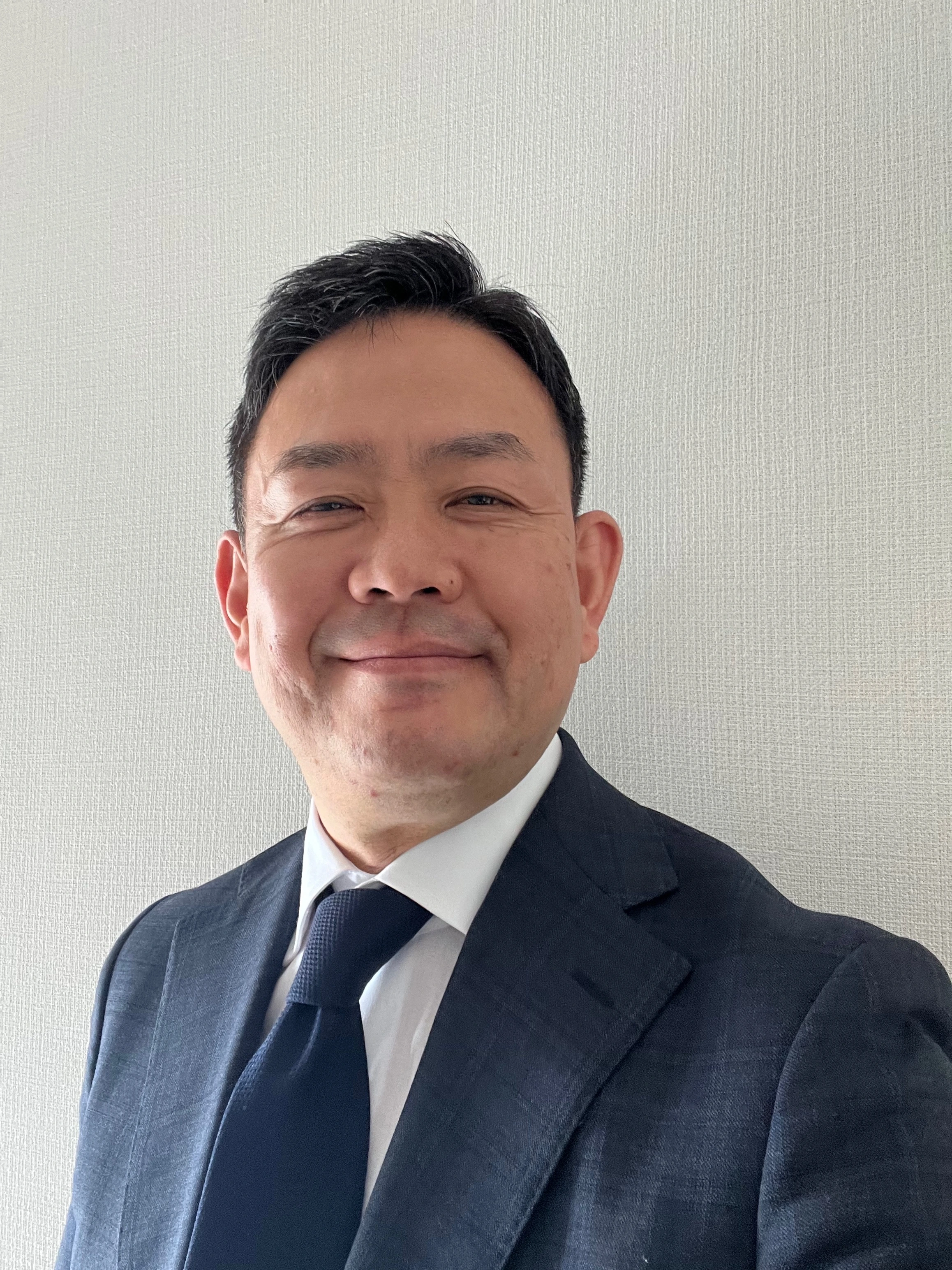
Author: Kenji Nishiyama (Certified Administrative Procedures Legal Specialist(Gyoseishoshi), Registration No.20081126)
Kenji Nishiyama is an Immigration and Visa Specialist who has supported many foreign residents with visa applications in Japan. On his firm’s website, he publishes daily updates and practical insights on immigration and residency procedures. He is also well-versed in foreign employment matters and serves as an advisor to companies that employ non-Japanese workers.