[Blog]Key Policy Shift #2 for Employers — Residence Status Reviews Become --Substance-Oriented--
2026-01-04
This is the second article in our five-part series examining immigration policies that clearly mark a departure from Japan’s traditional approach or introduce fundamentally new concepts. The discussion is based on the Immigration Services Agency of Japan’s 2025 policy framework and related documents available at Immigration Services Agency: Immigration Policy Framework. In this installment, we focus on a shift that directly affects employers’ daily practices: the move away from purely formal, document-based reviews toward evaluations that examine the actual substance of employment and business operations.
The End of “Paper Compliance” as a Safe Strategy
For many years, employers approached immigration procedures as an exercise in document preparation. If job descriptions matched residence status categories, contracts were properly drafted, and required forms were submitted on time, approvals were largely predictable. While compliance remains essential, the 2025 policy framework signals that formal alignment alone is no longer sufficient. Immigration authorities are increasingly expected to examine whether employment arrangements function as described in reality, not just on paper.
1. Closer Scrutiny of Actual Job Duties
The framework emphasizes ensuring that foreign nationals are engaged in activities consistent with their approved residence status. While this principle is not new, the key change lies in enforcement intensity. Immigration authorities are encouraged to verify whether daily tasks, reporting lines, and workplace roles truly correspond to the declared job description. For employers, this means generic or overly broad job descriptions pose increasing risk. Roles must be clearly defined, internally consistent, and reflected in real workplace operations.
2. Business Viability and Operational Reality Matter More
Another major shift is the heightened focus on the employer’s actual business condition. In the past, company registration, financial statements, and basic corporate documents were often sufficient. The new policy direction highlights operational sustainability, scale of business activity, and staffing structure as evaluation factors. Immigration reviews may increasingly consider whether a company’s size, revenue, and internal organization reasonably support the number and type of foreign workers it employs.
3. Increased Attention to Employment Continuity and Stability
Short-term, unstable, or repeatedly changing employment arrangements are now viewed more critically. The policy framework reflects concern that fragmented employment histories undermine both worker stability and social integration. Employers should expect greater scrutiny of contract renewals, role changes, and repeated transfers. Stable employment structures, clear career progression, and reasonable continuity are becoming indirect indicators of compliance and credibility.
4. Alignment Between Immigration Filings and Other Administrative Records
The framework promotes stronger coordination among immigration authorities, tax agencies, and local governments. As data linkage improves, inconsistencies between immigration filings and other records—such as tax payments, social insurance enrollment, or labor filings—are more likely to surface. Employers must ensure that information submitted to immigration authorities aligns with payroll records, social insurance declarations, and corporate disclosures.
5. Employers as Active Participants in Immigration Integrity
A subtle but significant shift in tone positions employers not merely as applicants but as responsible participants in maintaining the integrity of the immigration system. The framework suggests that employers are expected to proactively manage compliance risks, monitor role alignment, and address issues before they escalate. Passive reliance on administrative intermediaries without internal oversight may no longer be sufficient.
Practical Implications for Employers
This shift toward substance-based evaluation requires employers to rethink internal governance. Immigration compliance should be integrated with HR management, corporate governance, and internal auditing. Clear documentation must be supported by consistent operational practice. Employers should periodically review whether foreign employees’ actual duties match approved activities and whether business growth or restructuring affects immigration compliance.
Why This Represents a Clear Policy Turn
Japan’s traditional immigration administration emphasized predictability through formal criteria. The 2025 framework reflects a strategic pivot toward qualitative judgment, risk-based assessment, and real-world validation. This approach aligns Japan more closely with immigration enforcement trends seen in Europe and North America, where substance-over-form principles have become standard.
Conclusion
For employers, the message is clear: immigration compliance is no longer confined to filing accurate paperwork. It now requires ensuring that real business practices, employment conditions, and organizational structures align with what is declared to authorities. Companies that proactively adapt to this substance-oriented review model will be better positioned to manage risk and retain foreign talent under Japan’s evolving immigration system.
Next in This Series
The next article will examine how this shift particularly affects specific residence statuses—such as Engineer/Specialist in Humanities/International Services and Specified Skilled Worker—and why employers must reassess long-standing assumptions about “safe” visa categories.
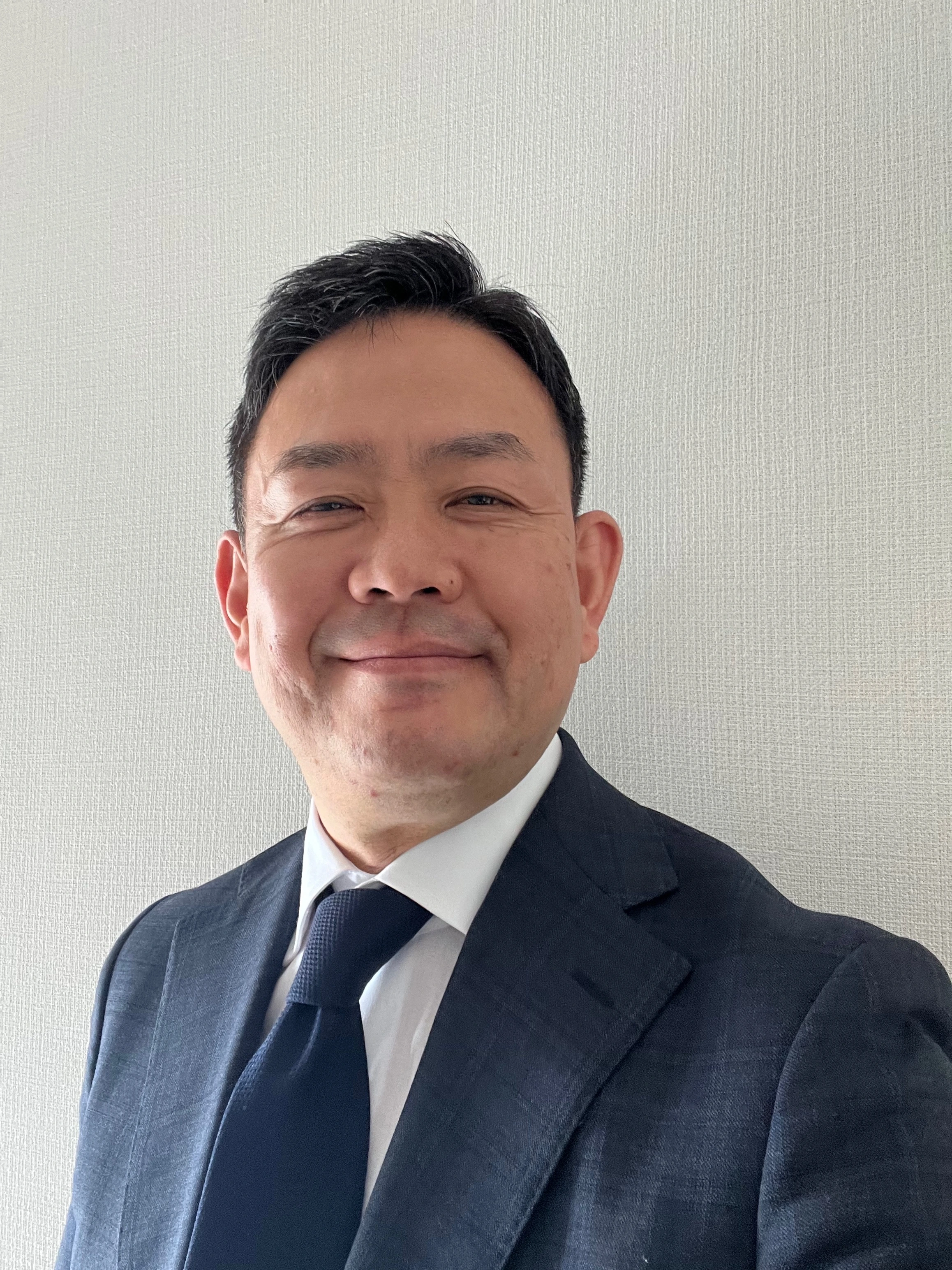
Author: Kenji Nishiyama (Certified Administrative Procedures Legal Specialist(Gyoseishoshi), Registration No.20081126)
Kenji Nishiyama is an Immigration and Visa Specialist who has supported many foreign residents with visa applications in Japan. On his firm’s website, he publishes daily updates and practical insights on immigration and residency procedures. He is also well-versed in foreign employment matters and serves as an advisor to companies that employ non-Japanese workers.