[Blog]Key Policy Shift #1 for Employers — From Immigration Control to Coexistence
2026-01-02
In its 2025 policy framework published by the Immigration Services Agency of Japan, the government signals a clear departure from traditional immigration management toward a new model focused on coexistence and long-term settlement. The official policy document and related materials are available at Immigration Services Agency: Immigration Policy Framework. This article is the first in a five-part series examining policy changes that represent either a clear break from past immigration policy or the introduction of entirely new approaches. Part one focuses on the most fundamental shift: the transition from “controlling foreign residents” to actively supporting their integration into Japanese society.
How This Differs from Traditional Immigration Policy
Historically, Japan’s immigration system has been designed primarily to regulate entry, stay, and compliance. Employers were expected to confirm visa eligibility, comply with reporting obligations, and ensure that foreign workers did not violate the scope of their residence status. Social integration, language acquisition, and community participation were largely treated as matters outside immigration administration. In contrast, the 2025 policy framework explicitly positions coexistence as a core objective of immigration governance. Foreign nationals are no longer viewed merely as temporary labor inputs but as residents whose stability directly affects Japan’s social and economic sustainability.
1. Integration Support Becomes a Policy Objective, Not an Afterthought
One of the most notable changes is the explicit recognition of integration support as part of immigration policy. The framework emphasizes access to Japanese-language education, daily life guidance, and multilingual consultation services. This represents a shift away from the assumption that foreign workers will independently adapt. Instead, the government now acknowledges that structured support is necessary for lawful, stable residence. For employers, this means that foreign employee support systems—such as onboarding assistance, language training opportunities, and access to local resources—are no longer peripheral considerations but factors increasingly aligned with immigration policy goals.
2. Residence Status Management Linked to Long-Term Settlement
Under previous practice, residence status decisions were largely transactional: does the applicant meet the formal requirements or not? The new policy framework suggests a more holistic evaluation. Elements such as Japanese-language ability, understanding of social norms, and continuity of employment are increasingly framed as indicators of settlement readiness. While formal criteria remain grounded in law, the policy direction indicates that renewal and long-term residence assessments may increasingly reflect an applicant’s ability to live and work sustainably in Japan. Employers should recognize that workforce development, training continuity, and stable employment practices may indirectly influence immigration outcomes.
3. Clearer Expectations for Employer Involvement in Social Stability
The framework underscores cooperation among employers, local governments, and community organizations. This marks a departure from the earlier “employer-only compliance” model. Companies are now implicitly positioned as stakeholders in regional coexistence. For employers, this may translate into greater expectations to coordinate with municipalities, participate in information-sharing initiatives, or support employees’ engagement with local communities. While not framed as legal obligations, these expectations represent a structural shift in how foreign employment is positioned within national policy.
4. Expansion of Data Integration Across Government Agencies
The policy framework also outlines enhanced data linkage between immigration authorities and local governments. This includes more systematic tracking of residence status, employment continuity, tax compliance, and social insurance participation. For employers, this development raises the importance of accurate, timely reporting and consistent internal records. Immigration administration is moving toward a more integrated oversight model, reducing the tolerance for informal practices or documentation gaps.
5. A Move Toward Transparent and Context-Sensitive Immigration Decisions
Another significant departure from past practice is the emphasis on transparency and contextual judgment in immigration administration. The framework acknowledges the need to better reflect real working conditions and life circumstances in decision-making processes. This suggests a gradual shift away from purely formalistic review toward assessments informed by actual employment arrangements and living environments. Employers may increasingly need to articulate not only job descriptions but also employment continuity, working conditions, and support mechanisms when interacting with immigration authorities.
What This Means for Employers
This first policy shift sets the foundation for all subsequent changes discussed in this series. Immigration compliance alone is no longer sufficient. Employers engaging foreign talent must begin thinking in terms of long-term integration, retention, and social stability. The 2025 framework indicates that immigration policy is evolving into a tool for shaping sustainable communities, not merely managing borders. Companies that align early with this direction—by investing in structured support, transparent employment practices, and community cooperation—will be better positioned as Japan’s immigration governance continues to evolve.
Looking Ahead
The shift from admission control to coexistence is the most fundamental transformation in Japan’s immigration policy in decades. In the next article, we will examine how this policy direction manifests in specific residence statuses such as Specified Skilled Worker and Engineer/Specialist in Humanities/International Services visas, and what new risks and opportunities employers should anticipate.
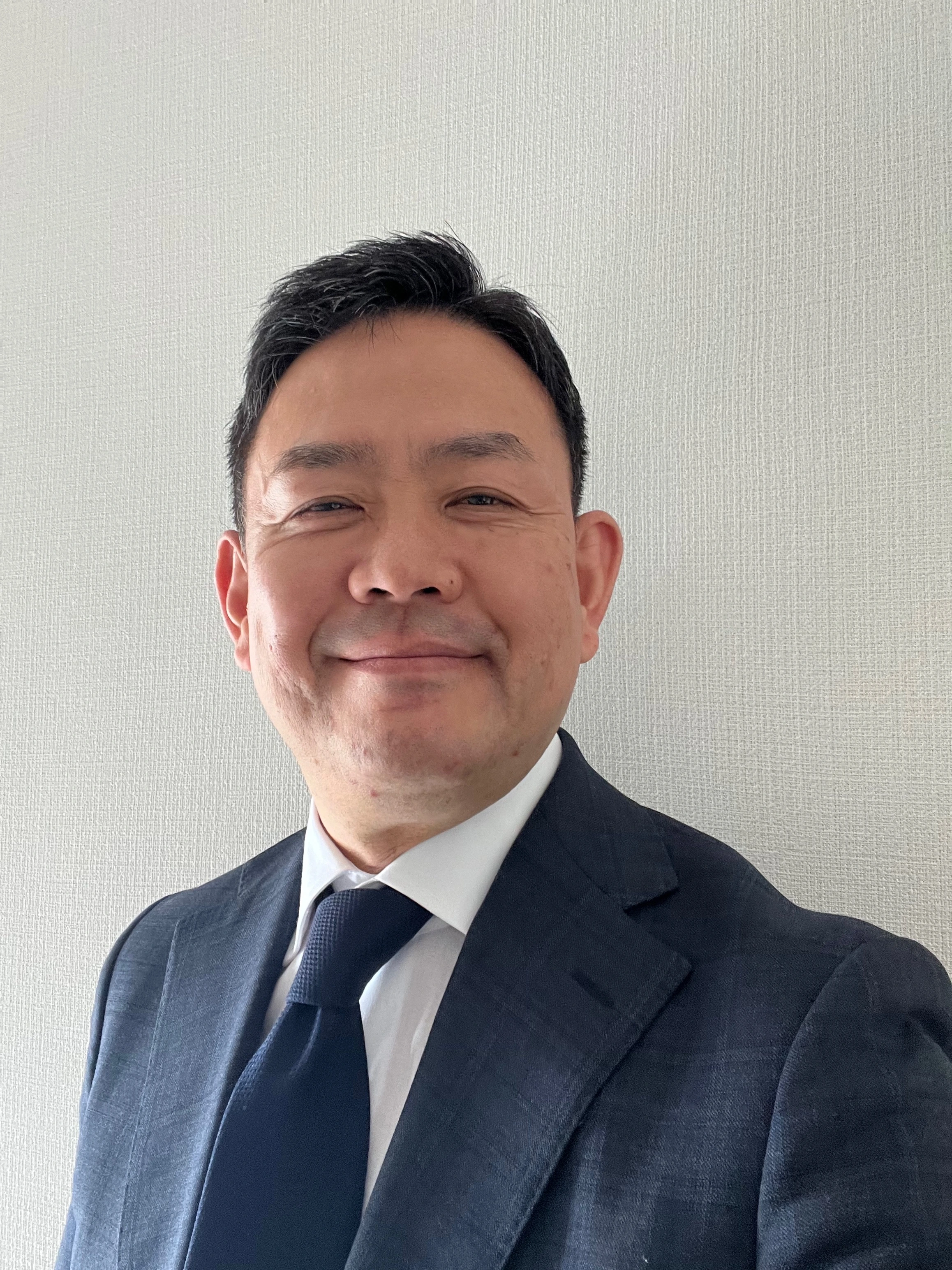
Author: Kenji Nishiyama (Certified Administrative Procedures Legal Specialist(Gyoseishoshi), Registration No.20081126)
Kenji Nishiyama is an Immigration and Visa Specialist who has supported many foreign residents with visa applications in Japan. On his firm’s website, he publishes daily updates and practical insights on immigration and residency procedures. He is also well-versed in foreign employment matters and serves as an advisor to companies that employ non-Japanese workers.