[Blog]Christmas Messages on Immigration: Rethinking Division in an Age of Exclusion
2025-12-27
Debates over immigration have become a source of deep tension in many countries. Concerns about public safety, jobs, social welfare systems and cultural friction are real, yet as discussions intensify they often slide into exclusionary language, framing migrants as numbers or threats rather than as people. Against this backdrop, messages delivered by Christian leaders on Christmas Day in 2025 stood out—not as policy prescriptions, but as reflections on how societies choose to talk about immigration and difference.
1. Voices from the Border: Immigration as a Human Story
In the United States, Catholic Bishop Mark Seitz of El Paso, a city on the US–Mexico border, spoke in an interview with NPR about the Trump administration’s immigration policies, describing them as a “great source of sadness.” Drawing on years of personal encounters with migrants, he emphasized that many are acting to protect their families and escape danger—choices that most people would make under similar circumstances. Rather than discussing immigration in abstract or ideological terms, Seitz urged listeners to see migrants as ordinary human beings with familiar hopes and fears. The interview can be read in full on NPR’s website.
Notably, Seitz did not deny the need for an orderly immigration system or accountability for criminal behavior. Few people, he acknowledged, want disorder or lawlessness. His concern was that the pursuit of large-scale deportations has gone beyond what many citizens expected or supported, disrupting local communities and everyday life. From his perspective, this growing gap between intention and outcome has left many people quietly questioning the direction of current policy.
2. Immigration Debates as a Source of Social Division
Similar concerns were voiced in the United Kingdom. In her Christmas sermon, Sarah Mullally, the incoming archbishop of Canterbury, warned that national conversations about immigration are dividing society when shared humanity should be bringing people together. Speaking not in technical or political language but in social terms, she highlighted how economic pressures, inequality and insecurity can exhaust communities, making them more prone to suspicion and hostility. Her message called for creating “room” for others—not only in homes and neighborhoods, but also in public debate itself. The context of her remarks, along with related sermons, is reported in The Guardian.
The same article also quotes Stephen Cottrell, the archbishop of York, who reflected on how fear of strangers has become widespread. Drawing on his experience visiting the Middle East, he spoke of both physical walls and the psychological barriers people construct within themselves. When refugees, the homeless, or marginalized young people are treated as distant “others,” he argued, societies lose the ability to imagine shared futures.
3. What These Messages Are—and Are Not
These Christmas statements are not blueprints for immigration policy. They do not specify visa quotas, enforcement mechanisms or integration programs. Instead, they operate at a different level: reminding societies of the assumptions and attitudes that shape policy debates in the first place. They caution against reducing complex human realities to stereotypes, against letting exceptional incidents define entire groups, and against allowing fear to replace dialogue. These are principles that do not depend on religious belief and can resonate in any pluralistic society.
4. Exclusionary Politics and the Social Role of Religion
In periods when exclusionary narratives gain traction, religion can function in different ways. It can inflame divisions, but it can also act as a counterweight, slowing political momentum and reintroducing ethical questions about dignity and responsibility. In the examples above, religious leaders were not calling for theocracy or doctrinal conformity. Rather, they were offering a vocabulary for restraint—language that resists the reduction of social problems to enemies and scapegoats.
5. Reflections for Japan
Japan is not immune to these dynamics. As the foreign resident population grows, anxieties about public order, cultural norms and institutional capacity are increasingly voiced, particularly on social media. Although I personally do not hold religious beliefs, I find that the way religious figures frame these issues—focusing on shared humanity and the tone of public discussion rather than on moral condemnation—offers useful perspectives. In a society where religion is often kept at arm’s length from politics, it can still serve as a lens through which overlooked voices and concerns are brought into view.
6. Making Space for Realistic and Durable Debate
Immigration policy is inherently complex, involving labor markets, education, local government capacity, border control and long-term social cohesion. Precisely because the issues are difficult, debates that begin by labeling others as dangerous or illegitimate tend to block practical solutions. The recurring theme in these Christmas messages was not perfection, but attentiveness: making space, within an imperfect reality, to listen before judging. That posture alone may help societies maintain resilience in an era of polarization.
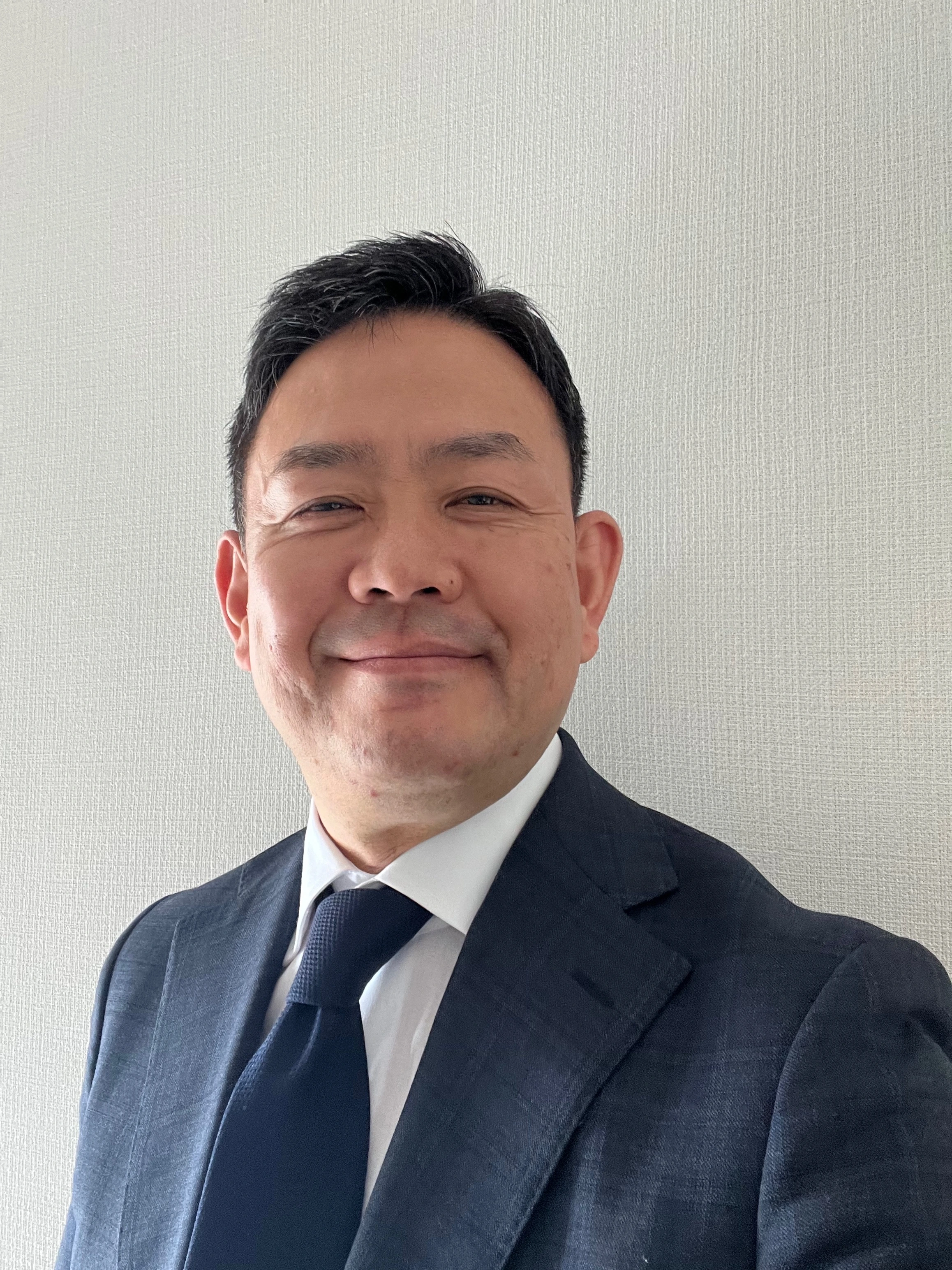
Author: Kenji Nishiyama (Certified Administrative Procedures Legal Specialist(Gyoseishoshi), Registration No.20081126)
Kenji Nishiyama is an Immigration and Visa Specialist who has supported many foreign residents with visa applications in Japan. On his firm’s website, he publishes daily updates and practical insights on immigration and residency procedures. He is also well-versed in foreign employment matters and serves as an advisor to companies that employ non-Japanese workers.