[Blog]Japan’s Social Inclusion Program: A Distinctive Response to Global Migration Challenges
2025-12-21
A New Social Inclusion Program Under Consideration
According to an article published by Asahi Shimbun Digital, the Japanese government and ruling parties have begun examining the creation of a new “Social Inclusion Program” (provisional name) for mid- to long-term foreign residents. The proposed program would provide structured opportunities for foreign residents to learn the Japanese language, understand Japanese laws and institutions, and acquire basic knowledge necessary for daily life in local communities. A key feature of the proposal is that participation in the program may be taken into account during residence status examinations, with the aim of preventing friction within communities and curbing the rise of exclusionary or anti-immigrant sentiment.
Linking Residence Reviews with Learning Opportunities
Traditionally, Japan’s residence status system has focused primarily on formal criteria such as employment conditions, income levels, and the nature of permitted activities. The proposed Social Inclusion Program represents a shift in perspective by recognizing social participation and institutional understanding as relevant factors. Rather than imposing assimilation through coercive measures, the government seeks to clearly present the rules of Japanese society and ensure access to learning opportunities, encouraging foreign residents to make use of them. By incorporating participation into residence reviews as a consideration rather than a strict prerequisite, the policy aims to balance fairness, predictability, and social stability.
Support for Children and Guidance for Local Governments
The article also highlights plans to consider a “Preschool Program” (provisional name) for foreign children before they enter Japanese schools. By providing basic Japanese language instruction and an introduction to school life in advance, the initiative aims to reduce difficulties after enrollment and ease the burden on teachers and schools. In parallel, the government is exploring the creation of national guidelines for Japanese-language education that local governments can reference. Given the wide disparities among municipalities in terms of resources and experience, such guidelines could help establish a common baseline and reduce regional gaps in support.
International Comparisons and Japan’s Distinct Approach
Several countries overseas, including Germany and Nordic states, already operate mandatory integration or language programs for migrants, with completion sometimes linked directly to residence permits or permanent residency. While these systems emphasize obligations and enforcement, they have also faced criticism for fueling social tension when migrants are perceived as being policed rather than supported. In contrast, Japan’s proposed Social Inclusion Program places stronger emphasis on prevention, mutual understanding, and social cohesion. By focusing on providing structured learning opportunities first and evaluating participation in a measured way, Japan appears to be pursuing a more cautious and preventive model.
A Japanese Policy Response to a Global Challenge
Migration has become a serious and unavoidable issue in virtually every developed country. In many cases, political discourse has polarized, and anti-immigrant narratives have gained traction, deepening social divisions. Against this backdrop, Japan’s attempt to institutionalize social inclusion—rather than relying solely on enforcement or numerical controls—offers a distinctive policy perspective. Instead of debating migration purely in terms of scale, the focus shifts to how people can live together under shared rules and mutual understanding. This approach can be seen as Japan’s own contribution to the global search for sustainable migration governance.
Conclusion
The proposed Social Inclusion Program does not place responsibility solely on foreign residents; it also requires Japanese society to clearly articulate its rules, expectations, and support structures. While many details remain to be determined, the policy direction signals an effort to address community tensions and prevent exclusion before they escalate. In a world where migration policies are increasingly reactive and divisive, Japan’s emphasis on structured learning and social participation has the potential to offer a pragmatic and forward-looking alternative. How the program is ultimately designed and implemented will be crucial, but the discussion itself marks an important step toward a more resilient and inclusive society.
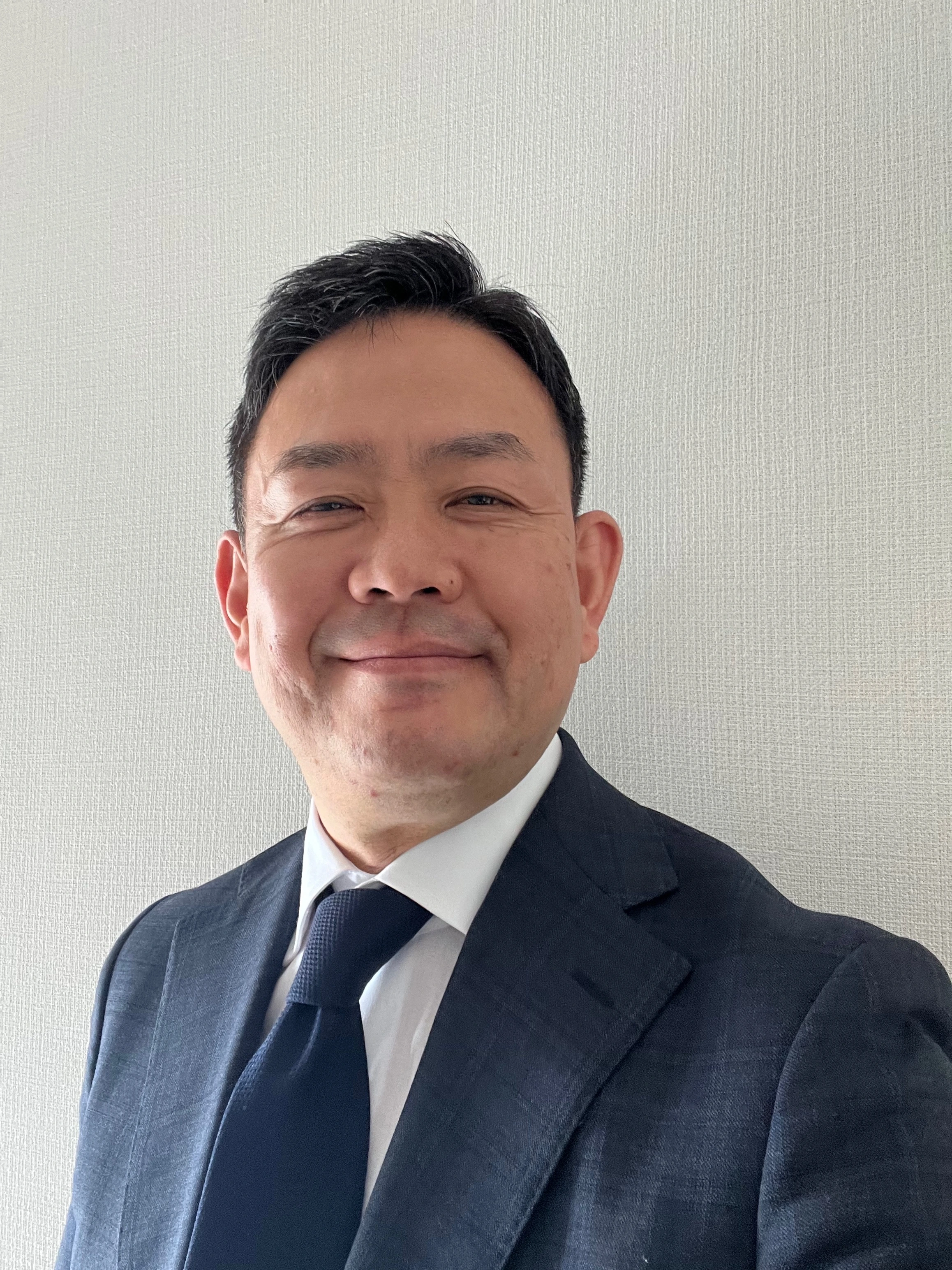
Author: Kenji Nishiyama (Certified Administrative Procedures Legal Specialist(Gyoseishoshi), Registration No.20081126)
Kenji Nishiyama is an Immigration and Visa Specialist who has supported many foreign residents with visa applications in Japan. On his firm’s website, he publishes daily updates and practical insights on immigration and residency procedures. He is also well-versed in foreign employment matters and serves as an advisor to companies that employ non-Japanese workers.