
[Blog]Beyond --Winning the Talent Race--: Sincerely Engaging with Foreign Workers Is Japan’s True Strength
2025-12-19
In sectors facing acute labor shortages, discussions often revolve around whether Japan can “win the global competition for talent.” However, framing the issue in terms of winning and losing risks reducing foreign workers to a temporary labor supply—people brought in only when needed and easily replaced. Trust does not grow in such an environment. Japan’s real strength lies elsewhere: in sincerely engaging with each individual, supporting not only their work but also their daily lives. By refining and deepening this approach, Japan can naturally attract the people it truly wants, retain those it hopes will stay, and create a brighter future for both the country and the foreign residents who choose to live and work here.
Reference Article (Underlined Link)
Seeing People, Not Just Numbers
The reference article highlights the growing number of foreign workers in caregiving, the timing of this expansion, and the intensifying competition among countries seeking labor. What matters most, however, is remembering that behind every statistic is a person living an everyday life. Language, housing, transportation, healthcare, family matters, religion, culture, and workplace customs all intertwine to shape whether someone can settle, grow, and contribute over time. Simply improving recruitment schemes or legal frameworks is not enough; what truly matters is how people are treated day by day.
Japan’s Advantage: The Ability to Institutionalize Care and Attentiveness
Competing head-on with other countries by continuously raising wages and benefits alone is difficult for Japan. Yet Japanese workplaces possess invaluable assets: meticulous skills training, standardized procedures, a strong focus on quality, clear communication practices, and a culture of teamwork and mutual support. The article’s emphasis on “technical and daily-life guidance” reflects an approach that treats people as people—welcoming them, teaching them, and creating conditions in which they can work and live with stability. The challenge is not to romanticize this mindset, but to embed it systematically into everyday operations.
From “Recruitment” to “Trust”: Why Retention Is the Real Competitive Edge
In foreign employment, what matters most is not the hiring gateway but the experience after arrival. Do new employees feel that they can ask questions, learn safely, be protected, and be fairly evaluated? When trust is built early, retention improves, workplaces stabilize, and recruitment costs decline through referrals and positive word of mouth. Conversely, repeated early departures exhaust organizations and turn hiring into an endless cycle of filling gaps. If there is a competition worth winning, it is not the race to recruit, but the competition to earn trust.
What It Means to Engage Sincerely: Five Practical Approaches
1. Do Not Expect Language Barriers to Be Overcome by Effort Alone
Using plain Japanese, visual aids, videos, multilingual support, and role-playing is the employer’s responsibility. In workplaces where safety, quality, and customer interaction matter, vague understanding leads directly to accidents and conflict. The standard should be not “we explained,” but “it was understood.”
2. Build Clear Daily-Life Pathways
Housing contracts, guarantees, utilities, commuting, bank accounts, mobile phones, hospitals, childcare—uncertainty outside work is often the biggest reason people leave. Identifying common stumbling points in the first one to three months, preparing checklists, and assigning clear points of contact are investments, not costs.
3. Make Evaluation and Career Paths Visible
People are unlikely to stay in a workplace where they cannot envision their future. Clarify the conditions for raises and promotions, support qualification exams, and show step-by-step role progression. A clear outlook fuels motivation and commitment.
4. Create Multiple Channels for Consultation
Relying on a single consultation route creates bottlenecks. Providing several options—supervisors, senior colleagues, lifestyle support staff, and external advisors—makes it easier to raise concerns early, when they are still small and manageable.
5. Make “Welcome” a Daily Practice, Not a One-Time Event
A single welcome party is not enough. Consistent greetings, expressions of gratitude, recognition of effort, and clear explanations build trust over time. Cultural differences can be bridged, but experiences of being dismissed or ignored linger. Experiences of respect, on the other hand, endure.
Avoiding the Temptation of Exclusion Is the Best Risk Management
In times of social anxiety, there is a strong temptation to blame those perceived as “outsiders.” Yet exclusionary attitudes ultimately harm workplaces and the nation alike. Signs of discrimination or hostility are among the fastest signals foreign workers perceive. In an era of expanding choices, people will not remain in a country where they cannot live with dignity and security. Once a reputation for exclusion takes hold, restoring trust requires enormous time and effort. Resisting xenophobia is therefore not merely an ethical stance—it is a practical strategy for sustainable employment and national interest.
What It Takes to Attract the People Japan Truly Needs
Japan’s real need is not simply for numbers, but for people who support local communities, learn and grow, work as team members, and ideally put down roots with their families. Such individuals evaluate destinations carefully. Beyond wages, they look at respect, growth opportunities, transparency, daily-life security, safety, and the overall social atmosphere. That is why building workplaces and communities that sincerely engage with foreign residents is the shortest and most reliable path to meaningful results.
Conclusion: Refining Japan’s Strengths for a Shared Future
Employing foreign workers is both a policy issue and a matter of everyday relationships. Teaching patiently, supporting daily life, protecting people when problems arise, evaluating effort fairly, and engaging in dialogue based on mutual respect—these steady, unglamorous actions generate trust. Trust leads to retention; retention brings stability and quality; stability supports local and national futures. As this cycle expands, societies become less vulnerable to exclusionary impulses. By deepening what Japan already does well, a brighter future can emerge for both Japan and those who choose to build their lives here.
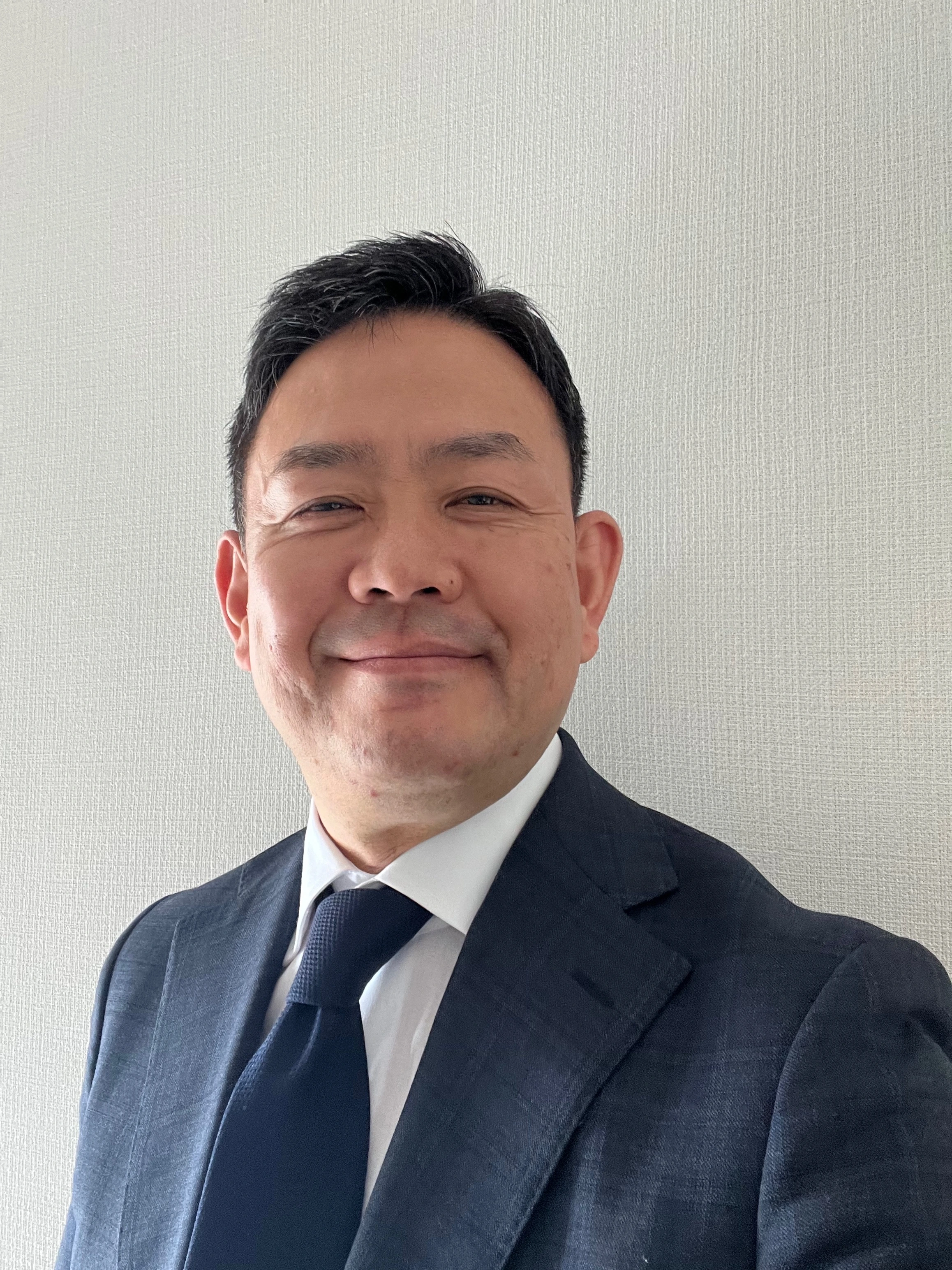
Author: Kenji Nishiyama (Certified Administrative Procedures Legal Specialist(Gyoseishoshi), Registration No.20081126)
Kenji Nishiyama is an Immigration and Visa Specialist who has supported many foreign residents with visa applications in Japan. On his firm’s website, he publishes daily updates and practical insights on immigration and residency procedures. He is also well-versed in foreign employment matters and serves as an advisor to companies that employ non-Japanese workers.