[Blog]Declining Birth Rates and Immigration: What a Guardian Essay Suggests for Japan
2025-12-17
An opinion piece published by The Guardian on 12 December 2025 argues that many European countries, facing persistently low birth rates and rapid ageing, cannot realistically maintain their societies without treating immigration as a core policy tool. The article can be found here:. While the tone is provocative, its central message is grounded in demographic arithmetic: population structures do not change according to political sentiment. For Japan, which is already further along the path of population decline than most European states, the essay offers important lessons. The key challenge is to move the debate away from emotional approval or rejection of immigration and toward the concrete question of how such policies should be designed, managed, and supported at the local level.
1. Birth Rate Policies Are Essential, but Operate on a Different Time Horizon
Few would dispute that improving Japan’s birth rate is a national priority. However, even if fertility were to recover, it would take decades before newborns become a stable workforce capable of supporting social security systems. Ageing, by contrast, progresses every year. Shortages in caregiving, healthcare, construction, logistics, agriculture, and regional services are already acute. This mismatch of time horizons explains why birth rate measures alone cannot address immediate labour and taxpayer shortages. Immigration and foreign workforce policies, therefore, should be discussed not as ideological choices but as practical, short- to medium-term instruments that complement long-term demographic strategies.
2. Assess Social Capacity Before Debating Numbers
Immigration debates often become polarised when headcounts dominate the discussion. In reality, social friction arises less from numbers themselves than from inadequate preparation. Before arguing over how many people to admit, governments should assess and strengthen social capacity: housing availability and affordability, school places and language support, healthcare access and interpretation services, multilingual administrative procedures, workplace safety and labour compliance, and community integration mechanisms such as disaster preparedness and neighbourhood associations. When these elements are addressed in advance, immigration ceases to feel sudden or chaotic and instead becomes a managed, gradual process that communities can absorb.
3. Coexistence Requires Systems, Not Slogans
“Coexistence” is frequently invoked but often left vague. In practice, it must be built on systems rather than goodwill alone. Three components are essential. First, transparency in contracts: wages, working hours, housing costs, deductions, and penalties must be clearly explained in languages workers understand. Second, clarity of rules: visa conditions, employment scope, social insurance, taxation, and procedures for job changes or disputes must be explicit and predictable. Third, institutionalised support: Japanese-language education, orientation programs, consultation services, mental health support, and assistance for families regarding schooling and childcare. These measures reduce uncertainty for employers, workers, and local residents alike, fostering trust and stability.
4. Address Common Misconceptions Proactively
Immigration debates in Japan are often distorted by recurring misconceptions. One is that accepting immigrants means opening the door without limits. In reality, admission criteria, occupational scope, duration of stay, family accompaniment, and compliance mechanisms can all be precisely designed. Another misconception equates immigration with deteriorating public safety. Crime rates are influenced less by nationality than by labour market conditions, exploitation risks, housing stability, and access to education and services. A third concern is wage suppression. This risk arises not from immigration itself but from poorly designed systems that trap workers in low-paid, inflexible arrangements. Strong labour standards, enforcement, and clear career pathways are therefore central to a sustainable approach.
5. Position Immigration Within a 50-Year Population Strategy
The Guardian essay’s strength lies in its refusal to ignore demographic realities. Japan faces the same constraint, only sooner and more sharply. What is needed is a long-term population strategy that looks 50 years ahead. Which industries should be sustained? Which regions should be revitalised or consolidated? Which public services must be preserved? Once these goals are articulated, immigration policy can be aligned accordingly: determining necessary skill levels, language education capacity, pathways to permanent residence, the role of local governments, and the responsibilities of employers. Treated in isolation, immigration invites resistance; treated as part of an integrated population, labour, and regional policy, it becomes more comprehensible and acceptable to the public.
Conclusion: From Ideological Debate to Practical Design
The most important lesson for Japan is that demographic change arrives regardless of political comfort. Strengthening birth rate policies remains essential, but it must be accompanied by realistic measures to address immediate workforce and community needs. Shifting the discussion from “for or against immigration” to “how to design systems that function on the ground” is crucial. Clear contracts, enforceable rules, institutionalised support, and a transparent long-term vision can reduce anxiety and build public trust. Rather than reacting to demographic decline, Japan has the opportunity to plan deliberately, embedding immigration policy within a broader, credible population strategy that reflects the society it aims to sustain.
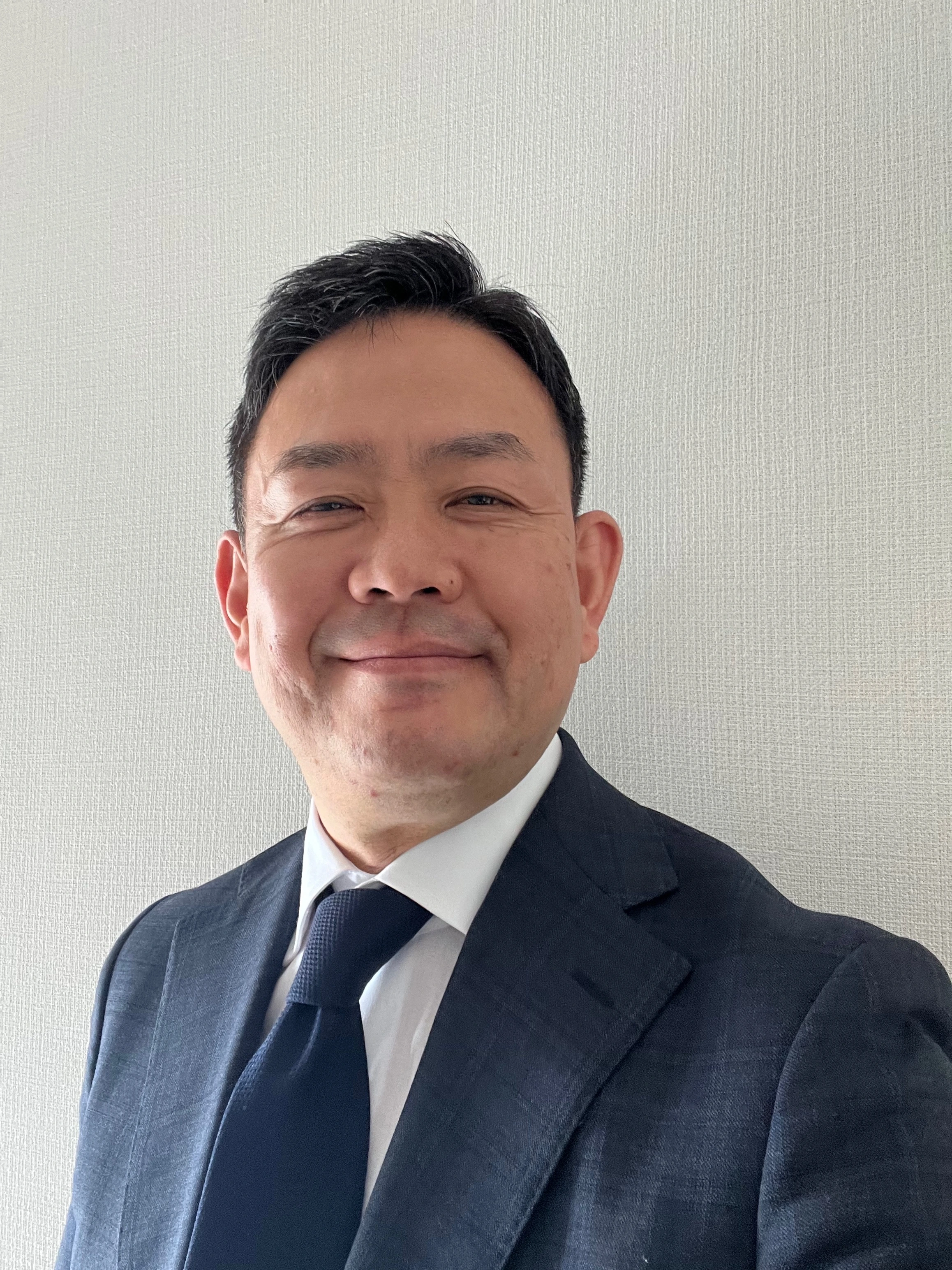
Author: Kenji Nishiyama (Certified Administrative Procedures Legal Specialist(Gyoseishoshi), Registration No.20081126)
Kenji Nishiyama is an Immigration and Visa Specialist who has supported many foreign residents with visa applications in Japan. On his firm’s website, he publishes daily updates and practical insights on immigration and residency procedures. He is also well-versed in foreign employment matters and serves as an advisor to companies that employ non-Japanese workers.