
[Blog]Rethinking Japan’s Anti-Immigrant Image and the Power of Social Norms
2025-12-01
What the Lowy Institute Article Reveals
Debates about Japan and immigration often circulate around a simple narrative: “Japan is a strongly anti-immigrant country.” Yet the recent article published by the Lowy Institute, titled “Don’t believe everything you read in the media about Japan’s strong anti-immigrant sentiment”, challenges this familiar storyline. The piece warns that media reporting tends to amplify extreme voices and selective survey results, creating an image of Japan that may not accurately reflect the deeper and more complex attitudes held by the public. Many Japanese citizens remain conflicted—simultaneously aware of the demographic need for foreign residents yet cautious about rapid changes. The article urges readers not to mistake noisy headlines for the nuanced reality on the ground.
Japan’s “Pro-Prejudice Norms”: A Social Landscape That Shapes Opinion
A crucial insight for understanding Japan’s immigration debate is the concept of “pro-prejudice norms.” In many Western societies, expressing openly discriminatory views invites social criticism. Japan, however, lacks such a strong anti-prejudice norm. Instead, negative comments about foreigners—“Foreigners worsen public safety,” “Tourists don’t follow rules,” “Immigrants strain welfare systems”—can be voiced with little pushback. Because Japan has historically viewed itself as an ethnically homogeneous nation, stereotypes and generalizations are often treated as casual opinions rather than problematic biases. This environment encourages people to express harsher views in public than they may genuinely feel. Research shows that when respondents answer anonymously through list experiments, anti-immigration sentiment drops dramatically—suggesting that what appears to be “public opinion” may actually be the product of social expectations rather than true personal beliefs.
Why Rising Anti-Foreigner Sentiment Feels Stronger Than Reality
In recent years, political rhetoric and media coverage have increasingly highlighted foreign residents’ alleged misbehavior—unpaid insurance premiums, illegal work, noisy tourists, visa overstays. While any legal violation deserves appropriate action, using isolated incidents to generalize about millions of law-abiding foreign residents is neither logical nor accurate. Negative cases attract headlines; positive contributions rarely do. Foreign workers sustain factories, logistics, care facilities, restaurants, and countless small businesses, yet their contributions remain largely invisible. Crime statistics in several municipalities show that even where the foreign population has tripled, overall crime has fallen. Still, due to pro-prejudice norms, the “common sense” narrative often defaults to suspicion rather than evidence. Recognizing this gap between perception and reality is essential.
Resisting the Pressure to Generalize
To avoid being swept up by rising anti-foreigner sentiment, individuals must consciously pause before accepting or spreading sweeping claims. When confronted with emotional social-media posts or sensational headlines, ask: “Is this statistically meaningful or just an extreme example?” “Is this an individual issue or a structural problem?” “If I were judged by the worst-behaved member of my own group, how would I feel?” Many issues associated with foreign residents—labor violations, administrative challenges, lack of information—stem from systemic flaws, not inherent traits. Separating individuals from stereotypes is a basic but vital step toward maintaining fairness and social cohesion.
Keeping Our Balance in a Changing Society
Japan is undergoing a demographic transformation and will continue to rely on foreign residents to sustain its workforce and communities. This reality requires constructive and long-term thinking, not fear-driven reactions. The Lowy Institute article offers an important reminder: public discourse can easily be distorted when social norms reward negative expression more than balanced reflection. Understanding that Japan has “pro-prejudice norms” does not excuse bias; rather, it helps us recognize the invisible pressures shaping public conversations. In times when emotions run high, maintaining calm, verifying claims, and valuing human dignity over stereotypes become acts of civic responsibility. A society that avoids being misled by fear is better positioned to design thoughtful immigration policies and build a future in which both Japanese citizens and foreign residents can thrive together.
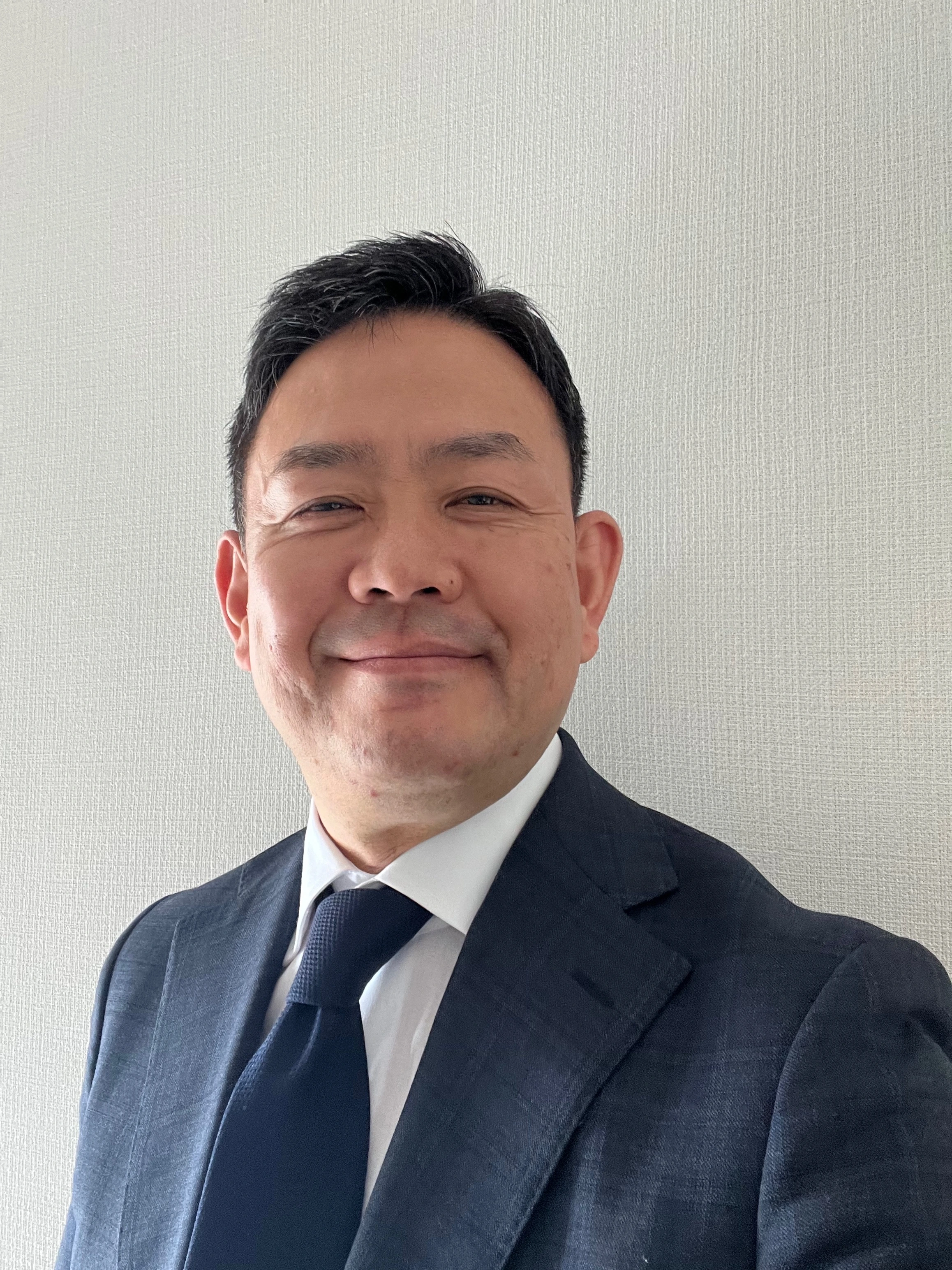
Author: Kenji Nishiyama (Certified Administrative Procedures Legal Specialist(Gyoseishoshi), Registration No.20081126)
Kenji Nishiyama is an Immigration and Visa Specialist who has supported many foreign residents with visa applications in Japan. On his firm’s website, he publishes daily updates and practical insights on immigration and residency procedures. He is also well-versed in foreign employment matters and serves as an advisor to companies that employ non-Japanese workers.