
[Blog]What Japan’s Immigration Model Really Is—and Why Employers Should Lead With Pride
2025-11-29
In recent years, Japan’s approach to immigration and foreign labor has attracted growing international attention. For example, the global affairs magazine Foreign Affairs published an article titled “Japan’s Stalled Immigration Experiment.” The piece analyzes Japan’s reluctance to define itself as an immigrant nation despite expanding foreign labor admissions due to demographic decline. Inspired by this discussion, this article explores what the “Japanese immigration model” actually is—and why employers should embrace their role in building a proud, sustainable model of coexistence.
What Is the “Japanese Immigration Model”?
Japan’s immigration model can be summarized as follows: the country avoids calling itself an immigrant nation, while in practice depending on foreign labor. Under systems such as Technical Intern Training, Specified Skilled Worker (SSW), the Points-based Highly Skilled Professional Scheme, student work permissions, and special categories for Nikkei workers, Japan has created a patchwork framework centered on “temporary” and “complementary” labor rather than long-term settlement.
Despite this, the reality is changing. More foreign residents are raising children in Japanese schools, buying homes, developing careers, and integrating into local communities. Even if the foreign resident population remains only a few percent, a growing number are clearly living not as temporary laborers but as members of Japanese society. The gap between a system designed for short-term stays and a reality moving toward long-term residence is the core tension of the Japanese immigration model.
Strict Control or Confident Coexistence?
Because of concerns about public safety and social stability, Japan’s policies often emphasize “control” and “selection”: caps on numbers, field-specific restrictions, tight monitoring of visa categories. While these tools are within a government’s authority, they risk shaping workplace attitudes as well. When employers begin to view foreign staff only through the lens of “risk,” “burden,” or “compliance,” coexistence becomes something tolerated rather than embraced.
Yet employers do far more than simply “hire foreigners.” Through company culture, training, career development, and everyday practice, employers demonstrate what it means to work and live in Japan. At a time when national policy remains hesitant and uneven, employers have a unique opportunity to build the practical foundations of coexistence—long before laws or political narratives catch up.
The Strength of Japan’s Model: Cautious, Gradual Integration
Not everything about Japan’s approach deserves criticism. By avoiding sudden mass immigration, Japan has reduced the risk of social fragmentation and given communities and companies time to adapt. Balancing labor needs, welfare capacity, and social cohesion is difficult for any country, and Japan has chosen the cautious path.
Moreover, a growing number of employers are recognizing foreign workers not merely as “cheap labor” but as skilled individuals with cultural and linguistic assets. In manufacturing, caregiving, hospitality, and logistics, foreign employees often play central roles—improving teamwork, enabling multilingual services, and supporting global expansion. These examples show that Japan’s model can evolve from “supplementary labor” to “co-creative talent.”
The Weakness: Lack of a Long-Term Vision
However, the Japanese model has a major structural weakness: it still lacks a clear long-term vision. There is little discussion at the policy level about how foreign residents and their children fit into Japan’s future over 20 to 30 years. Even highly integrated individuals often face unstable visa conditions, limited family pathways, and insufficient educational and linguistic support.
This policy vacuum amplifies the importance of employers. When companies demonstrate a commitment to retaining and investing in foreign employees over the long term, they help redefine the model itself—from temporary labor management to genuine social inclusion.
How Employers Can Promote Coexistence With Pride
What can employers do to make coexistence something to take pride in—not an obligation?
First, treat legal compliance as part of your identity, not a burden. Ensuring proper job assignments, preventing excessive work hours, and managing social insurance and tax procedures fairly sends a message: “We respect foreign employees as human beings, not disposable labor.”
Second, evaluate and train foreign employees on the same basis as Japanese colleagues. Offer clear career paths, transparent promotion criteria, and opportunities for leadership. This shifts the narrative from “temporary worker” to “team member worth investing in.”
Third, make multiculturalism a corporate strength. Celebrate cultural differences, highlight multilingual skills, and communicate externally that diversity is part of your brand. Instead of saying “having foreigners is difficult,” companies can proudly say, “working together helps us innovate.”
Shaping a “Proud Japanese Immigration Model” From the Ground Up
Japan’s immigration model is still an unfinished experiment. Foreign Affairs and other outlets may criticize it as hesitant or half-formed—but instead of lamenting these views, Japan should ask: what can be improved from the ground up?
Employers are not passive actors. Workplaces—where Japanese and foreign employees collaborate daily—are the true laboratories of Japan’s immigration future. When employers build fair, inclusive, and forward-looking environments, they demonstrate that Japan’s model can become more than temporary labor management. It can become a system where diverse talent works confidently, safely, and with dignity.
As demographic decline accelerates, Japan cannot avoid the question of coexistence. This is precisely why employers should take pride in saying: “Our company grows with our foreign employees. We see coexistence as a source of strength.” Such leadership is what will transform Japan’s immigration model into one worthy of confidence—both domestically and internationally.
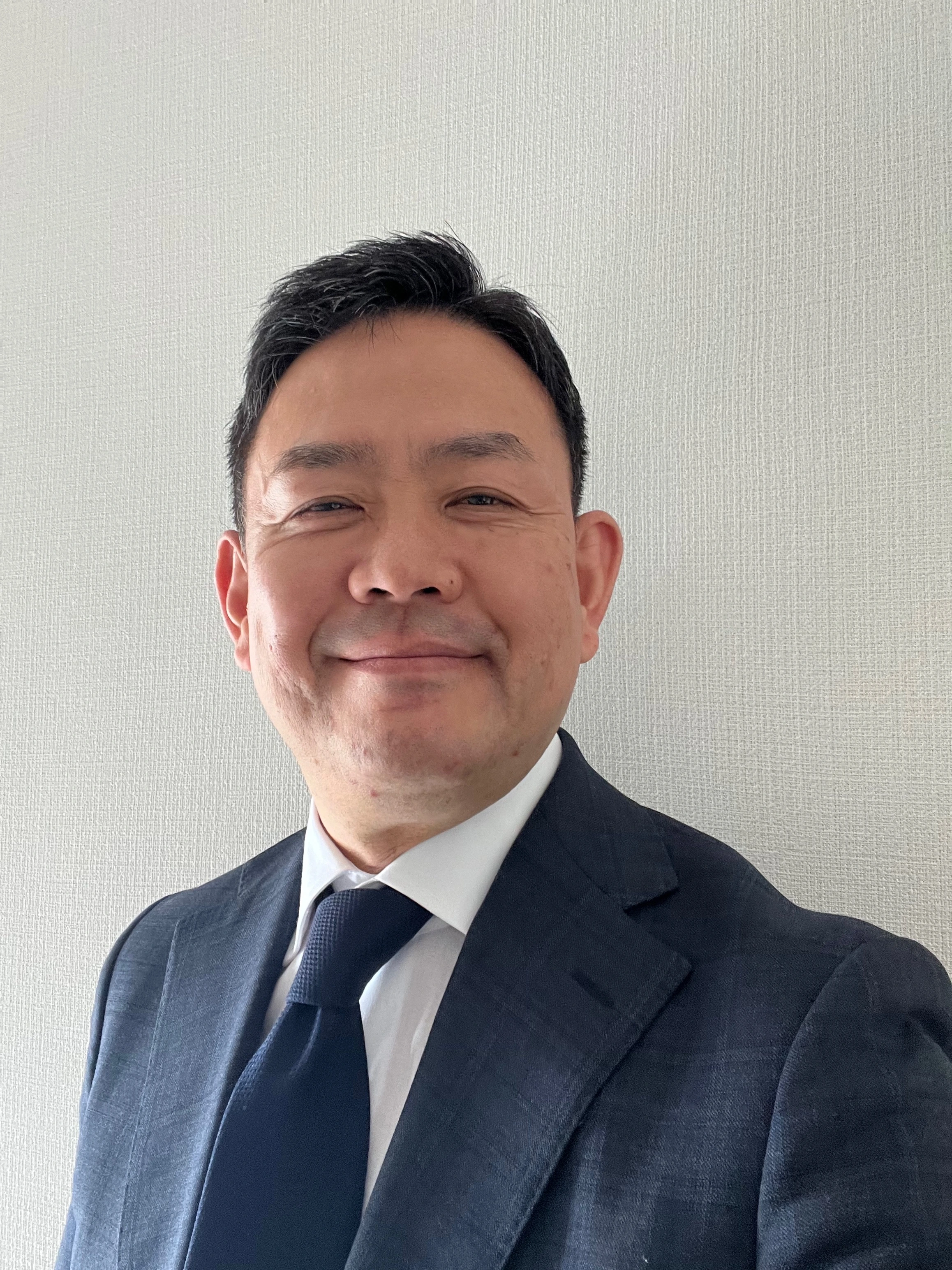
Author: Kenji Nishiyama (Certified Administrative Procedures Legal Specialist(Gyoseishoshi), Registration No.20081126)
Kenji Nishiyama is an Immigration and Visa Specialist who has supported many foreign residents with visa applications in Japan. On his firm’s website, he publishes daily updates and practical insights on immigration and residency procedures. He is also well-versed in foreign employment matters and serves as an advisor to companies that employ non-Japanese workers.