[Blog]How Employers Should Respond When a Specified Skilled Worker Becomes Pregnant
2025-11-27
The news article “What if a baby comes unexpectedly while working? Preventing isolated births among foreign workers in Japan—Cases in Kagoshima include incidents that resulted in tragedy” (373news) highlights the growing concerns surrounding pregnancy and childbirth among technical intern trainees and Specified Skilled Worker (SSW) employees in Japan. As the number of young female foreign workers increases, some face pressure from sending organizations or supervising organizations that misleadingly claim they must resign or return home if they become pregnant. Such misinformation can lead to dangerous situations, including completely isolated childbirth. For employers hiring SSW workers, these issues are highly relevant and demand informed, lawful, and supportive responses.
Pregnancy-Based Dismissal or Forced Return Is Prohibited by Law
First and foremost, pregnancy cannot be a legitimate reason for termination, non-renewal of contract, or forced repatriation—regardless of nationality or visa category. Japan’s Equal Employment Opportunity Act prohibits dismissing or disadvantaging workers due to pregnancy, childbirth, or taking maternity leave. The Labor Standards Act and Childcare and Family Care Leave Act also protect pregnant workers’ rights. These laws apply equally to all workers in Japan, including SSW employees. Actions such as “ending the contract because she became pregnant” or “sending her home before the visa expires” are considered high-risk legal violations and must be strictly avoided.
Employers Must Create an Environment Where Workers Can Speak Up
A major challenge is that many foreign workers fear reporting their pregnancy. Some were wrongly told in their home countries that “pregnancy is not allowed” or “pregnancy leads to losing your visa.” Employers should clearly explain—using simple Japanese or the worker’s native language—that pregnancy is a protected right and that disclosing it will not result in dismissal or forced return. Designating accessible consultation channels, such as a trusted female staff member, multilingual support persons, or external support organizations (international associations, NGOs), helps prevent isolation and encourages early consultation.
Key Points to Confirm When Pregnancy Is Reported
When an SSW employee reports pregnancy, employers should carefully and respectfully review several matters. First, confirm the worker’s wishes: whether she wants to continue working, temporarily take leave, give birth in Japan, or return home voluntarily. Second, evaluate whether her current job duties are safe during pregnancy. Employers should consult occupational doctors or medical institutions and adjust assignments or workloads if needed. Third, provide clear explanations of available support—maternity leave, childcare leave, paid leave, shift adjustments, or temporary schedule flexibility for medical appointments—so the worker can make informed decisions.
How Pregnancy Affects the SSW Visa and Employment Contract
The SSW status requires an active employment relationship, so some workers may worry that pregnancy will jeopardize their visa. It is crucial to understand: pregnancy or childbirth is not a reason for losing legal status. As long as employment is maintained and the company supports the worker through appropriate leave programs and social insurance, her SSW status is not automatically revoked. However, if an employer chooses not to renew a contract during pregnancy, they must ensure the reason is entirely unrelated to pregnancy. Non-renewal based on pregnancy may be judged as illegal discriminatory treatment. Employers should therefore carefully document objective business reasons before considering non-renewal.
Cooperating With Registered Support Organizations for Medical and Daily-Life Assistance
Under the SSW program, employers have legal obligations to support workers’ daily lives. When an SSW worker becomes pregnant, employers should collaborate with Registered Support Organizations to ensure access to maternal health services, medical institutions, prenatal checkups, municipal mother-and-child services, multilingual consultation centers, and financial assistance programs for childbirth. Without such guidance, foreign workers may avoid medical visits due to language or financial anxiety, increasing the risk of isolated childbirth—exactly the issue highlighted in the 373news article. Providing clear guidance about hospitals, public subsidies, procedures for obtaining the Maternal and Child Health Handbook, and family-related visa or insurance matters is essential.
Improving Internal Policies and Workplace Awareness
Supporting pregnant SSW workers also requires reviewing the company’s broader policies regarding maternity protection and childcare support. Employers should ensure that their work regulations clearly state that pregnant workers—Japanese or foreign—are protected equally. Key policies should be translated into simple Japanese or relevant native languages and explained during onboarding and regular check-ins. Training supervisors is also crucial so that “pregnancy = inconvenience” does not become part of workplace culture. Posting multilingual emergency contact information in dormitories or break rooms also helps protect vulnerable workers.
Conclusion: Beyond Productivity—Creating a Workplace Where Foreign Workers Can Live Safely
As described in the 373news report, foreign workers must not be seen merely as a source of labor but as individuals with lives, families, and futures. When an SSW employee becomes pregnant, employers must go beyond legal compliance and ensure a supportive environment where the worker can safely discuss concerns related to pregnancy, childbirth, and childcare. Such support ultimately strengthens trust, retention, and the company’s reputation. The question is whether a company treats pregnancy as a “problem” or as a natural part of welcoming human beings into its workforce. For employers involved in the SSW program, this moment is an opportunity to review internal systems and create a workplace where foreign workers can truly feel secure and valued.
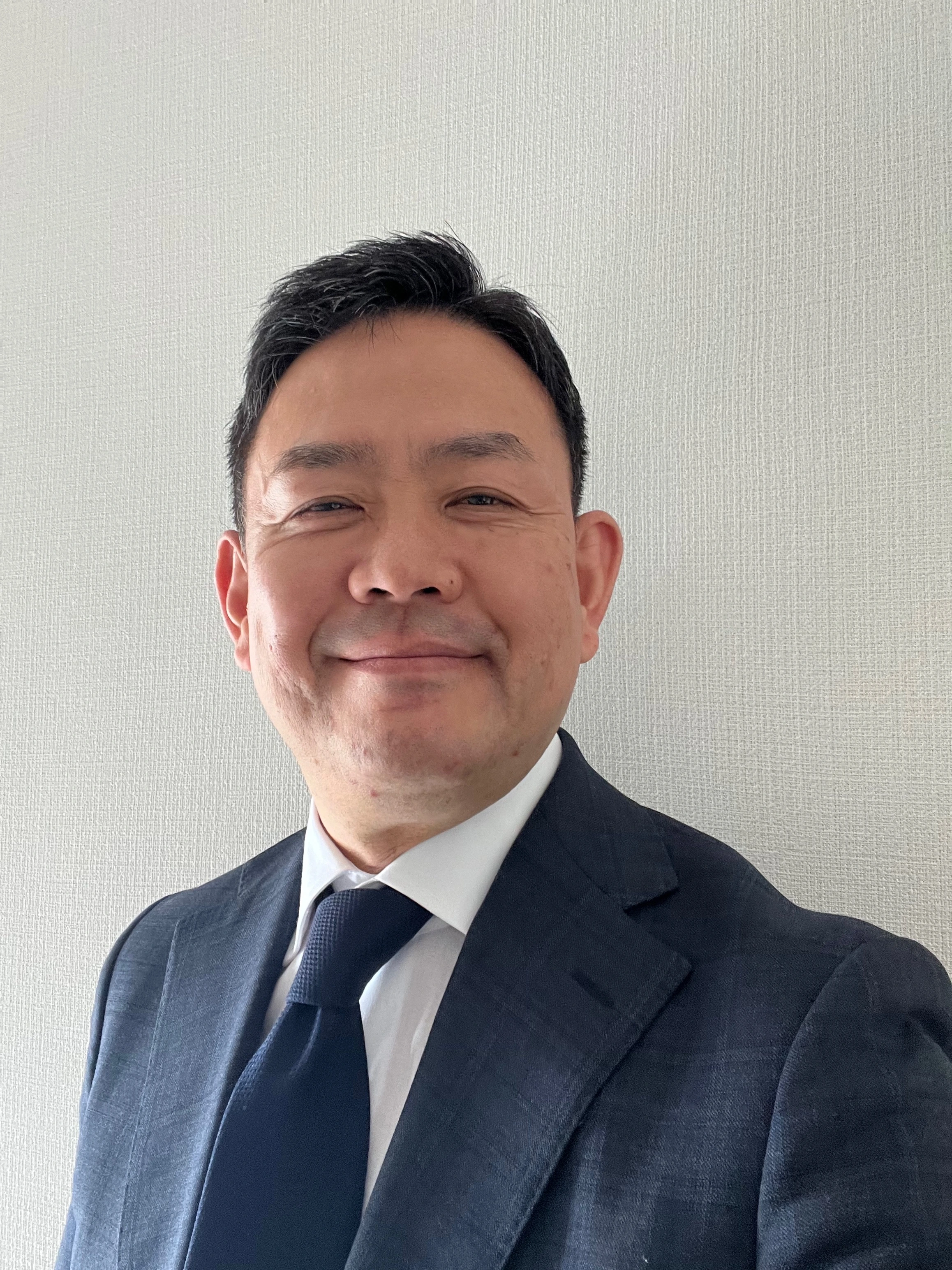
Author: Kenji Nishiyama (Certified Administrative Procedures Legal Specialist(Gyoseishoshi), Registration No.20081126)
Kenji Nishiyama is an Immigration and Visa Specialist who has supported many foreign residents with visa applications in Japan. On his firm’s website, he publishes daily updates and practical insights on immigration and residency procedures. He is also well-versed in foreign employment matters and serves as an advisor to companies that employ non-Japanese workers.