
[Blog]Connecting International Talent Policy to Japan’s Strategic Interests
2025-11-21
Introduction
This article begins by introducing the Niskanen Center’s policy paper “Immigration Beyond the Extremes: A Blueprint That Actually Works.” The paper argues that policies related to the movement of people should not be viewed merely as tools to address domestic labor shortages but as part of a broader strategic framework that strengthens international cooperation and supports national interests. In particular, its proposal to connect international talent policy with foreign strategy—deepening ties with allies, attracting skilled individuals from competitive nations, and providing safe pathways for those facing political repression—offers perspectives that can also inform Japan’s immigration and residency framework.
A Strategic Perspective on International Talent Policy
The paper suggests that policies concerning international talent should be positioned not only as economic or workforce measures but also as instruments for enhancing a country’s long-term influence. Individuals who cross borders for study, research, or specialized work bring with them knowledge, skills, and networks that help strengthen alliances and expand international partnerships. Likewise, attracting high-skilled professionals from competing nations contributes directly to a country’s technological and economic advantage. Providing protection for those who face political repression is not only a humanitarian act but also a way to reinforce shared values and build trusted relationships globally.
Implications for Japan’s Immigration and Residency Framework
Applying these ideas to Japan suggests several directions. Japan’s current framework—covering technical training programs, specified skilled worker systems, and student pathways—primarily aims at addressing immediate labor needs. However, as demographic change accelerates and global competition for talent intensifies, a more strategic approach to international talent would benefit Japan’s long-term interests. For instance, Japan could develop talent exchange tracks with countries that share strong security or economic relationships, allowing participants to engage in joint research, skill development, and specialized work experiences across borders. Additionally, creating smoother pathways for highly skilled professionals in research and emerging industries would enable Japan to remain competitive in rapidly evolving technological fields.
Strengthening Partnerships with Like-Minded Countries
Japan already maintains numerous economic and academic agreements with partner nations, but these frameworks can be expanded to include deeper cooperation focused on the joint development of human capital. Shared research programs, technical training initiatives, and cross-border internships would foster trust and strengthen regional stability. By linking such initiatives with residency pathways that allow qualified participants to continue their careers in Japan, the approach would not only enhance bilateral cooperation but also help Japanese industries secure advanced expertise.
Attracting High-Skilled Talent from Competitive Nations
In an era of global competition for scientific, technological, and entrepreneurial talent, Japan’s ability to attract highly skilled individuals will increasingly define its national competitiveness. As highlighted in the Niskanen paper, international talent brings high value—knowledge, innovation, and global networks. Japan can sharpen its competitive edge by clearly defining specialized residency tracks for researchers, engineers, and entrepreneurs from regions such as Asia, Europe, and the Middle East. Individuals educated or trained in Japan can later serve as bridges connecting Japan and their home countries, further expanding collaborative opportunities.
Providing Safe Pathways for Those Facing Political Repression
Ensuring that individuals such as researchers, journalists, or professionals who face political restrictions in their home countries have access to a safe and stable environment also strengthens Japan’s international credibility. Thoughtful and well-designed humanitarian pathways aligned with Japan’s values can support individuals with specialized expertise while enhancing Japan’s presence as an open and responsible member of the global community. These efforts do not imply large-scale acceptance but rather targeted, carefully supported programs that deepen Japan’s human-centered international networks.
The Need for Integrated Policy Design
To advance such initiatives, Japan will require coordinated policy design across residency systems, education frameworks, and local community support. Immigration, labor, education, and regional policies must operate cohesively rather than in isolation. A central coordinating body could help align objectives and clarify the roles of international talent within Japan’s strategic priorities. At the same time, strengthening local support structures—including language learning and community integration—is essential for enabling individuals to thrive and contribute fully.
Conclusion
As the Niskanen Center’s paper indicates, policies governing the movement and development of international talent are not solely domestic issues; they are tools of long-term national strategy. For Japan, embracing these perspectives could support stronger alliances, enhanced technological and economic competitiveness, and a clearer expression of humanitarian values. By incorporating broader strategic considerations into its immigration and residency framework, Japan can chart a forward-looking approach that supports sustainable growth and regional stability in an increasingly interconnected world.
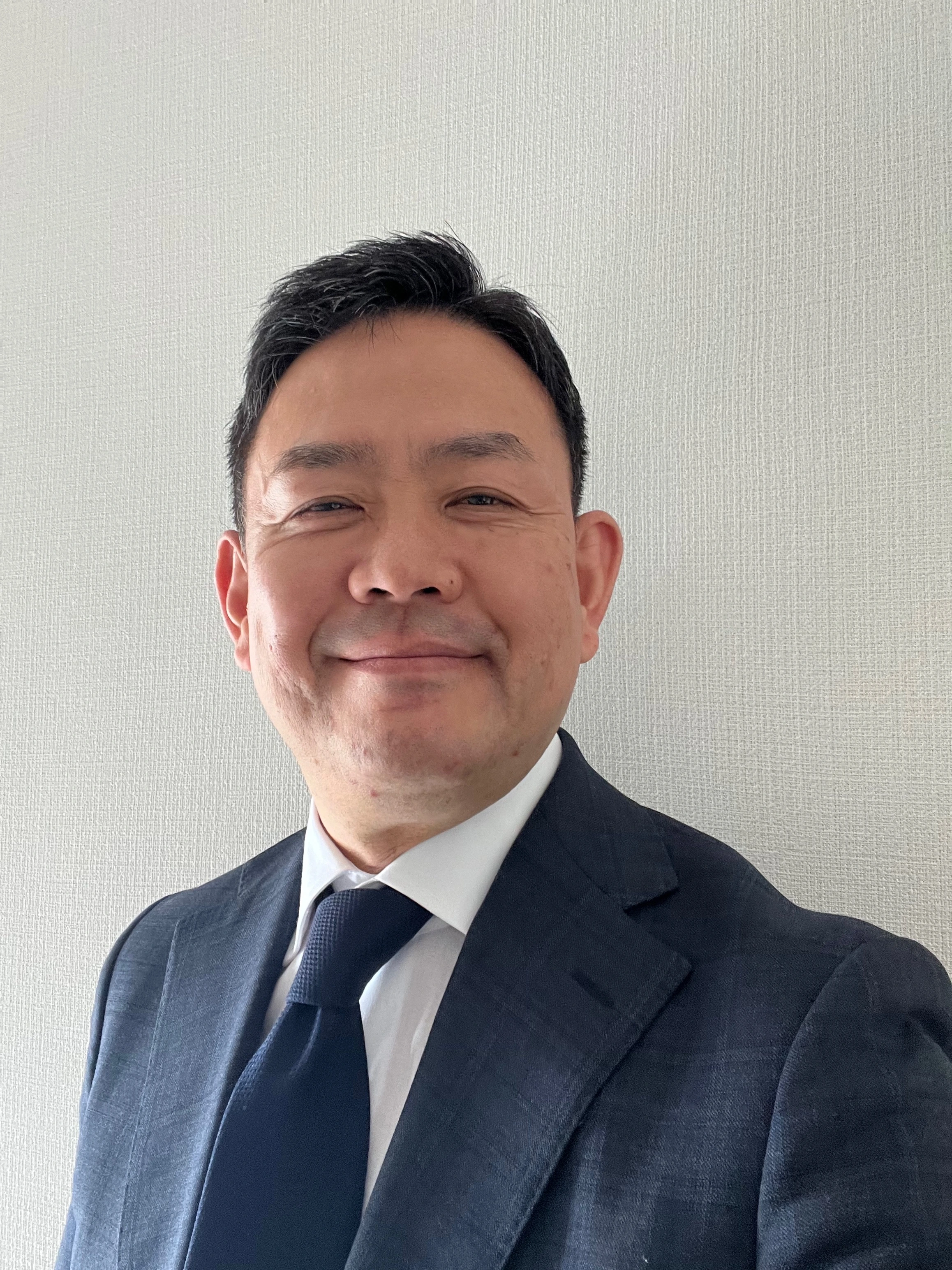
Author: Kenji Nishiyama (Certified Administrative Procedures Legal Specialist(Gyoseishoshi), Registration No.20081126)
Kenji Nishiyama is an Immigration and Visa Specialist who has supported many foreign residents with visa applications in Japan. On his firm’s website, he publishes daily updates and practical insights on immigration and residency procedures. He is also well-versed in foreign employment matters and serves as an advisor to companies that employ non-Japanese workers.