[Blog]Redefining “Immigration” and Advancing a Balanced Public Debate
2025-11-13
In Japan today, the number of foreign workers continues to increase due to population decline and severe labor shortages. Yet, institutionally, Japan maintains the position that it does not “accept immigrants,” and therefore lacks a comprehensive immigration policy. This issue is discussed in detail in this program. The challenge is not only the absence of institutional frameworks; the term “immigrant” itself evokes strong emotional reactions. The word is often associated not only with the movement of people, but also with concerns over cultural change, public safety, and social cohesion. As a result, discussions about immigration can easily become emotional rather than evidence-based and constructive. The question, then, is how we might redefine the term and introduce language that fosters a more balanced and rational national conversation.
The Historical Weight of the Word “Immigrant”
In Japan, “immigrant” often implies long-term residence, cultural coexistence, and integration into society. While this meaning is not inaccurate, historical narratives and media discourses—particularly those focusing on social tension or security concerns—have caused the word to evoke anxiety or caution. This creates a situation in which emotional responses emerge before policy discussions can even begin, and this alone hinders collective problem-solving and planning.
Reframing the Discussion Through More Precise Terminology
The purpose is not simply to “replace” the term, but to clarify definitions and introduce vocabulary that reflects the diversity of real migration patterns. In Europe, for example, terms such as “labour migrant,” “international student,” and “settlement seeker” are commonly used to distinguish between different types of mobility. By contrast, Japanese discourse tends to divide overly broadly between “foreigners” and “immigrants,” which oversimplifies social reality and allows fear to fill in the gaps.
Proposed Terminology: “Long-term Resident Foreign Nationals,” “Coexistence-Oriented Talent,” “Community-Integrated Foreign Residents”
We may consider reclassifying individuals currently labeled under the broad category of “immigrant” as follows: (1) Long-term Resident Foreign Nationals: individuals who maintain a stable living base in Japan. (2) Coexistence-Oriented Talent: individuals expected not only to contribute economically but also to participate in local social and cultural life. (3) Community-Integrated Foreign Residents: individuals whose integration is supported institutionally and socially. These terms emphasize shared social membership rather than separation between “Japanese” and “foreigners.”
Changing Language to Make Social Realities Visible
Introducing new terminology is not about obscuring reality—it is about making it possible to see it clearly. Words shape perception. If “immigrant” triggers defensive or fearful reactions, providing alternative categories helps create a more accurate understanding of who is actually living in Japanese communities and under what circumstances. This is a necessary step for any rational policy discussion.
Encouraging Public Debate Based on Understanding Rather Than Emotion
If political discourse on immigration becomes polarized and emotional, policymaking stagnates and social division can intensify. Therefore, creating spaces for shared understanding—especially at the municipal and community levels—is essential. Discussions should avoid lumping all foreign residents into a single group and instead consider their varied backgrounds, intentions, and roles. Recognizing diversity within foreign resident populations is key to avoiding reductive narratives.
Conclusion: Changing Words to Change the Conversation
In order for Japan to recognize the reality that it is, in effect, already a country that receives immigrants—and to develop appropriate systems for social coexistence—it is necessary to redefine the terms used in public debate. Replacing the emotionally heavy word “immigrant” with more precise and neutral alternatives such as “long-term resident foreign nationals,” “coexistence-oriented talent,” and “community-integrated foreign residents” can help shift the conversation away from fear and toward shared problem-solving. Language constructs the framework through which society understands itself. Changing the words we use is not merely semantic—it is the first step toward a balanced and future-oriented migration and coexistence policy.
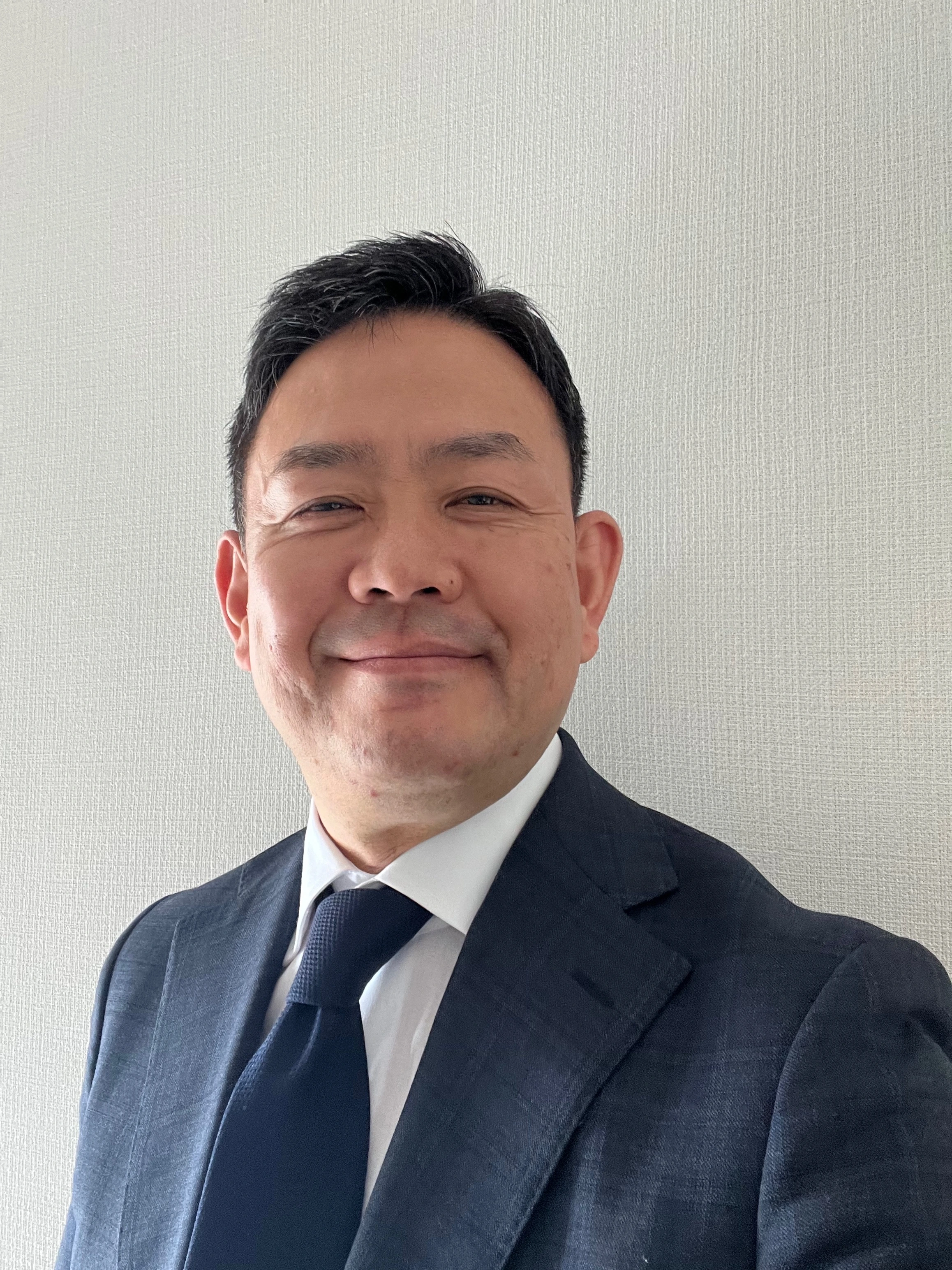
Author: Kenji Nishiyama (Certified Administrative Procedures Legal Specialist(Gyoseishoshi), Registration No.20081126)
Kenji Nishiyama is an Immigration and Visa Specialist who has supported many foreign residents with visa applications in Japan. On his firm’s website, he publishes daily updates and practical insights on immigration and residency procedures. He is also well-versed in foreign employment matters and serves as an advisor to companies that employ non-Japanese workers.