
[Blog]Considering Foreign Resident Policy with a Long-Term Perspective
2025-11-09
The Need for a Long-Term Perspective
The Kyoto Shimbun article reports on recent government discussions regarding the revision of foreign resident policies, including the review of land acquisition rules and responses to illegal activities. Meanwhile, public opinion remains divided, and discussions often become focused on immediate concerns. When debates emphasize short-term reactions or emotional responses, there is a risk of overlooking the core objective of policy: to support the stability and sustainability of society as a whole.
Limitations of Present-Focused Debate
Challenges related to demographic change and local communities cannot be resolved quickly. However, discussions frequently center on what is happening now or on alleviating short-term anxieties. For example, concerns about social impacts—such as public safety or housing demand—are sometimes framed as direct consequences of increasing foreign residents. Yet, reducing these issues to simple cause-and-effect relationships can obscure the underlying structural factors. While temporary countermeasures may be necessary, if such measures dominate the conversation, it becomes difficult to consider what future society should look like.
Looking 50 to 100 Years Into the Future
Japan is expected to face even more significant population decline and aging in the coming decades. Maintaining regional economies and social infrastructure will become increasingly challenging. In this context, foreign residents may play an important role not only in the labor force but also in sustaining community vitality and cultural diversity. Therefore, foreign resident policy should not be treated merely as a question of workforce adjustment. It should be discussed in connection with how we envision the structure of society in the future. This requires a comprehensive approach, including education systems, language support, and frameworks that encourage social participation and mutual understanding.
Direction of Policy Discussion
The development of sustainable policy requires both responsive measures to current issues and long-term institutional planning based on a broader vision. This is a shared task for governments, businesses, educational institutions, and local communities. It also calls for a collective understanding of what kind of society future generations will inherit. In this sense, foreign resident policy should be regarded as a foundational policy to shape a desirable social environment for future generations, rather than simply a means of balancing present-day needs.
Conclusion
The fact that discussions around foreign resident policy are gaining attention is itself constructive. Yet, it is important to avoid allowing these discussions to be dominated by short-term concerns. We are called upon to imagine what Japanese society should look like 50 or 100 years from now, and to design systems and integration frameworks that will support that future. By adopting a long-term perspective and considering the needs of future generations, policy discussions can contribute to the formation of a sustainable and inclusive society.
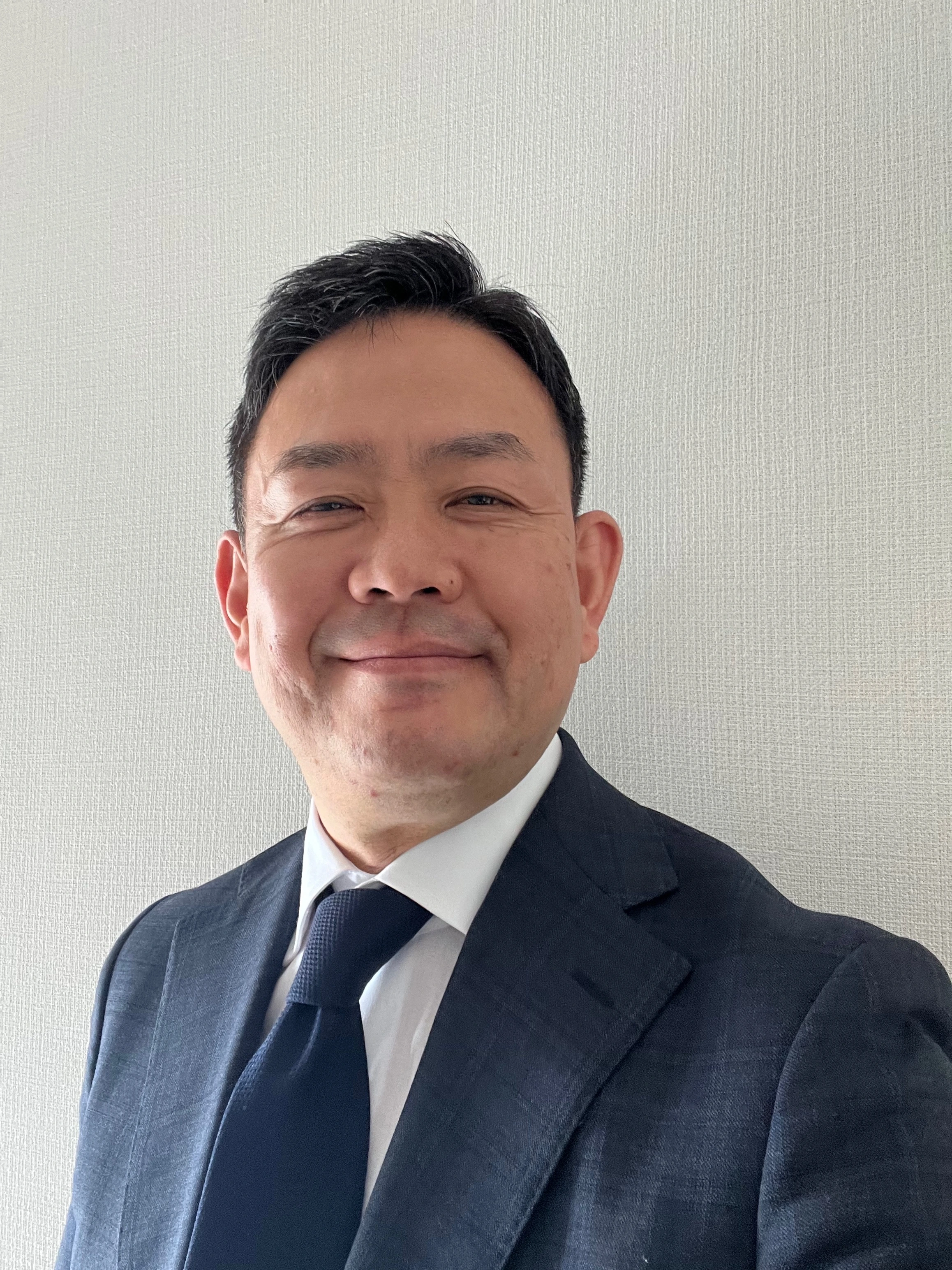
Author: Kenji Nishiyama (Certified Administrative Procedures Legal Specialist(Gyoseishoshi), Registration No.20081126)
Kenji Nishiyama is an Immigration and Visa Specialist who has supported many foreign residents with visa applications in Japan. On his firm’s website, he publishes daily updates and practical insights on immigration and residency procedures. He is also well-versed in foreign employment matters and serves as an advisor to companies that employ non-Japanese workers.