[Blog]Why Short-Term Stays Don’t Have to Mean Limited Integration
2025-11-07
According to ABEMA TIMES 2025-11-01, foreign residents who stay in Japan under visa categories that implicitly assume short-term presence often have weaker motivation to learn the language or understand the culture. When someone expects to leave soon, it is natural that they prioritize immediate work and daily survival over building deeper connections. On the other hand, those who have the opportunity to build a career and see a future in Japan tend to integrate more smoothly, both socially and linguistically.
My Own Experience Abroad
This observation resonates with me personally. I once lived in Singapore for about two years on assignment. But back then, I didn’t make any serious effort to learn the local language or understand cultural nuances. My mindset was: “I’m just here temporarily. I’ll return to Japan eventually.” Looking back now, I realize how wasteful that was. I had access to a rich cultural and social environment, yet I treated it as something optional. Honestly, it’s a little embarrassing. That experience taught me that simply being physically present in another country does not automatically lead to cultural understanding. Someone—either the workplace or community—needs to provide opportunities and structure.
Why Employers Should Create the “First Step”
Language and cultural learning do not begin automatically. People rarely just “decide to start” by themselves, especially when they are busy working full-time in a new country. Without support, the easiest choice is to stick to familiar routines, same-language communities, and minimal local engagement. Employers can change this dynamic by offering small, structured opportunities. And this is not only altruistic. When foreign employees feel more comfortable communicating, the workplace benefits: smoother workflow, fewer misunderstandings, stronger trust, lower turnover, and better teamwork. Integration is not charity—it is an investment in organizational stability and long-term capability.
Practical Ways Employers Can Support Integration
1. Provide Time and Space for Language Learning
For example: short weekly in-house Japanese lessons, access to simple online courses, or easy-to-read work manuals written in plain Japanese. What matters most is not the sophistication of the program, but that the company provides dedicated time. If learning depends entirely on the employee’s after-work energy, it likely will not happen.
2. Offer Clear and Friendly Local Life Guidance
Create simple materials explaining daily necessities: how to take out garbage, how to see a doctor, how trains work, how to use ATMs or convenience stores, how to respond in emergencies. Use images, simple Japanese, and basic English. Reducing daily stress makes employees more confident and able to participate socially.
3. Encourage Natural Interaction with Japanese Staff
Not forced “cultural exchange events,” but small moments in everyday work. Pair tasks, shared breaks, recognition boards for team successes, casual conversation prompts. Integration happens not through big events, but through tiny repeated moments of ordinary friendliness.
Even Short-Term Stays Can Shape a Life
Even if the stay is only six months, one year, or two years, experiences of cultural connection can influence how someone sees the world for the rest of their life. I know this because I missed that chance once. If someone had given me structured opportunities in Singapore, my relationship with the place and its people could have been much richer.
Conclusion
Cultural and language learning is not just about personal effort—it is about whether the environment invites participation. A small amount of support from employers can transform a temporary stay into a meaningful life experience. And that transformation benefits everyone: the employee, the workplace, and the community.
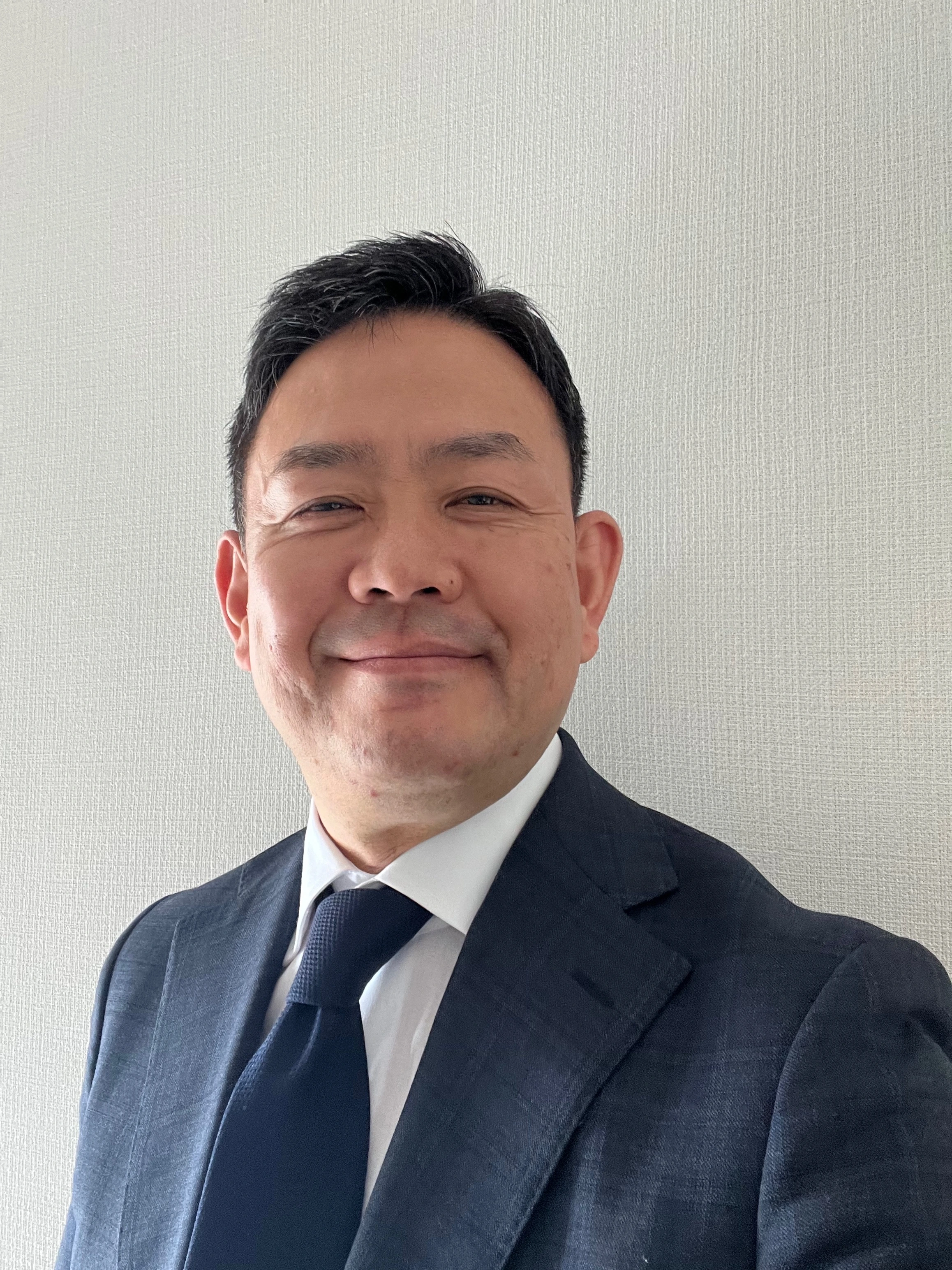
Author: Kenji Nishiyama (Certified Administrative Procedures Legal Specialist(Gyoseishoshi), Registration No.20081126)
Kenji Nishiyama is an Immigration and Visa Specialist who has supported many foreign residents with visa applications in Japan. On his firm’s website, he publishes daily updates and practical insights on immigration and residency procedures. He is also well-versed in foreign employment matters and serves as an advisor to companies that employ non-Japanese workers.