[Blog]Rethinking Foreign Employment as a Pathway to Overseas Expansion
2025-11-05
Foreign employment is often viewed mainly as a response to labor shortages. However, with a small shift in perspective, it can take on a greater strategic meaning. The idea came to mind while reading this article: "How can we teach foreigners with no earthquake experience how to protect themselves? Earthquake study group held in Miyazaki; multilingual pamphlets also an issue; experts also advocate pictograms" FNN 2025-10-25 Although the article focuses on labor policy, it inspired the thought that foreign employees can serve not only as workers but also as a bridge connecting the company to the world. With that in mind, this text explores how disaster-prevention products and services—an area where Japan is particularly strong—could be expanded overseas by making use of foreign employees’ knowledge.
The Advantage of Foreign Employees
Foreign employees often have insights into their home countries that cannot be gained easily from external data alone, including language, cultural context, values, and local perspectives. When considering overseas expansion, one of the biggest initial challenges is not knowing the market well enough. Foreign employees already carry this local understanding with them, making them natural guides who can help reduce the initial information gap.
Japan’s Disaster-Prevention Strength as an Exportable Value
Japan has developed highly refined disaster-prevention practices due to frequent earthquakes, typhoons, and floods. These include technologies, products, education methods, and everyday preparedness habits. Meanwhile, many countries still lack structured disaster-prevention systems. Here, foreign employees’ viewpoints become crucial: they can share what types of disasters occur in their home countries, what preparedness is lacking, what explanations or product features would be well received, and what approaches may require adaptation.
Small Steps to Begin With
Practical starting points might include co-creating multilingual emergency manuals, discussing disaster supplies with employees’ families abroad to gather feedback, or having foreign employees practice explaining evacuation procedures. Such steps may seem minor, but they can serve as prototypes for future services or overseas product adaptations.
Conclusion
Foreign employment can be treated simply as filling personnel gaps, but it also has the potential to support natural and meaningful overseas expansion. Especially in the disaster-prevention field, where Japan has internationally valuable expertise, foreign employees can communicate that value in culturally and linguistically appropriate ways. Even small internal efforts today may form the foundation of future global business opportunities.
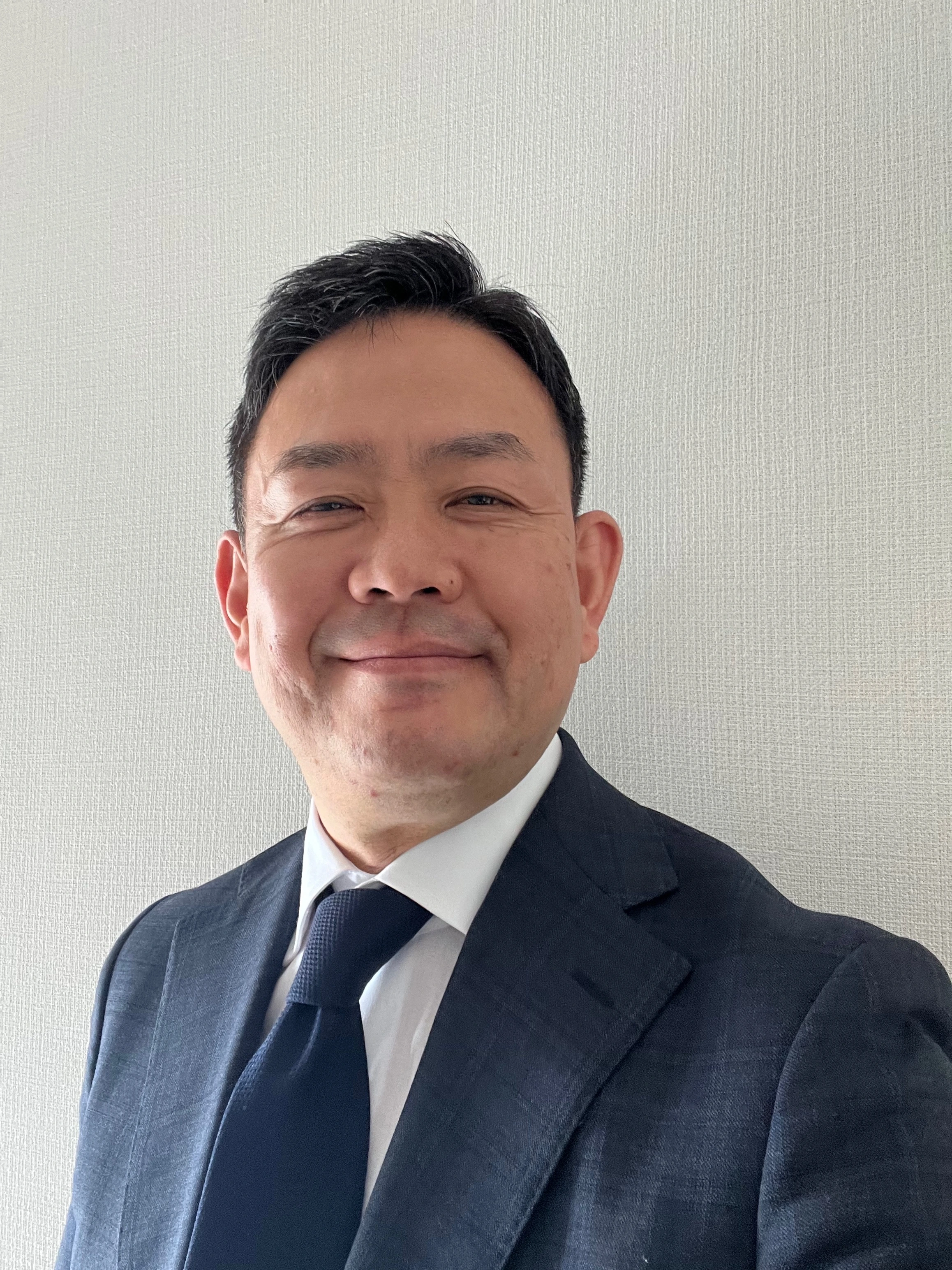
Author: Kenji Nishiyama (Certified Administrative Procedures Legal Specialist(Gyoseishoshi), Registration No.20081126)
Kenji Nishiyama is an Immigration and Visa Specialist who has supported many foreign residents with visa applications in Japan. On his firm’s website, he publishes daily updates and practical insights on immigration and residency procedures. He is also well-versed in foreign employment matters and serves as an advisor to companies that employ non-Japanese workers.