[Blog]Financial Inclusion for Foreign Residents: A Key to Balanced Coexistence
2026-11-10
A New Direction in Auto Loans for Foreign Residents
A November 7, 2026, article in Kanko Keizai Shimbun highlighted an unsecured auto loan offered by Suruga Bank to foreign residents working in industries such as hospitality. Introduced in 2022, the product allows eligible foreign nationals without permanent residency to apply, subject to requirements concerning residence status, income, and period of stay. Loans ranging from ¥100,000 to ¥3 million can be used to purchase cars or motorcycles, obtain driver's licenses, or cover vehicle inspections and related expenses. Online applications and contracts make the service accessible nationwide.
In many regional communities, cars are essential for commuting to hotels, factories, and care facilities. If Japan welcomes foreign workers but fails to provide reasonable access to the financial services necessary for everyday life, its acceptance policies remain structurally unbalanced. This initiative demonstrates how financial institutions can recognize foreign residents' practical needs as legitimate business opportunities. Nevertheless, lending remains subject to credit assessment and eligibility restrictions.
From Opening Bank Accounts to Accessing Credit
Financial services for foreign residents are gradually expanding beyond basic bank accounts and international remittances to include credit cards, consumer loans, and housing finance. In September 2025, Seven Bank introduced a bank account application service linked to the foreign workforce management platform dekisugi. By utilizing information managed by supervising organizations and support providers, the system seeks to reduce administrative burdens when newly arrived foreign workers open accounts. A Seven Bank article explains that the initial service targeted technical intern trainees, with plans to expand its coverage.
Another example is the partnership between Global Trust Networks (GTN) and Epos Card. After introducing a credit card specifically for foreign residents in 2017, the companies launched the GTN Epos Gold Card in October 2025. Their approach combines multilingual customer assistance with experience supporting foreign residents, seeking to balance accessibility and financial risk management. The essential principle is not to deny credit because someone is foreign, but to develop reliable methods for assessing individual creditworthiness.
Homeownership Without Permanent Residency
Housing finance is also evolving. Tokyo Star Bank offers housing loans for foreign nationals who have not obtained permanent residency. Although conditions regarding employment history, income, and Japanese-language comprehension apply, permanent residency is not an absolute requirement. Suruga Bank also accepts inquiries about housing loans from foreign residents without permanent residency.
This represents an important shift. Foreign nationals may work, pay taxes, and raise families in Japan for many years while facing restrictions on mortgage financing simply because they lack permanent residency. Yet immigration status alone does not necessarily determine repayment capacity. Employment stability, income, tax compliance, credit history, and long-term residential plans should also be considered. At the same time, the possibility of continued lawful residence remains a legitimate factor in lending risk assessments.
Progress in Financial Policy, but Persistent Barriers
Japan's Financial Services Agency has also recognized the importance of improving access. In July 2026, it revised guidance and examples of good practices concerning financial institutions' treatment of foreign customers. Multilingual materials on account opening and remittances, together with assistance from employers, reflect growing awareness that financial inclusion is a public policy concern.
Nevertheless, significant obstacles remain. Newly arrived foreign residents often lack domestic credit histories. Account opening and financial contracts may require lengthy procedures. Complex Japanese-language agreements can be difficult to understand, while renewal of a residence permit may create additional verification requirements. Even products marketed to foreign residents can exclude applicants based on residence status, income, employment history, location, or language proficiency.
The central concern arises when access depends more heavily on nationality or the absence of permanent residency than on actual financial reliability. Financial institutions, however, also have legitimate obligations concerning identity verification, anti-money-laundering measures, and credit risk. The objective should therefore not be unconditional relaxation of lending standards, but the elimination of unnecessary exclusion while maintaining appropriate safeguards.
Financial Inclusion in the Balanced Coexistence Model
The Balanced Coexistence Model (BCM) that I advocate does not seek either an unconditional expansion of foreign residents' rights or a one-sided emphasis on their obligations. Instead, it connects acceptance, social participation, and mutual responsibilities to establish sustainable conditions for coexistence. From this perspective, financial services are more than private commercial transactions. They are essential infrastructure enabling foreign residents to establish independent lives and fulfill their responsibilities as members of society.
If Japan expects foreign residents to work steadily and pay taxes, they must be able to receive wages, pay rent and utilities, save money, and access appropriate credit when necessary. If policymakers encourage long-term settlement and participation in local communities, they should not unnecessarily obstruct homeownership or vehicle purchases. Demanding social participation while restricting the financial means required to achieve it creates a contradiction within the policy framework itself.
Connecting Immigration Information and Financial Services Safely
A major future challenge is establishing secure information-sharing mechanisms between immigration administration and financial institutions. Banks must verify residence status and expiration dates, but repeatedly requiring customers to present residence cards or explain pending renewal applications creates unnecessary administrative burdens. With explicit individual consent, secure APIs and electronic identity verification systems could allow financial institutions to confirm the minimum necessary immigration information, reducing costs and inconvenience for both providers and customers.
This does not mean that financial institutions currently have unrestricted access to immigration records. Any such framework would require an appropriate legal basis, informed consent, strict limitations on data use, access logs, and effective correction procedures. Care must also be taken not to equate a short authorized period of stay automatically with poor creditworthiness. A pending renewal application and the actual prospects of continued residence are different matters and should be evaluated accordingly.
Financial Education as Infrastructure for Coexistence
Expanded financial access must be accompanied by improved financial literacy. Foreign residents need opportunities to understand interest rates, total repayment obligations, the consequences of late payments, responsible credit card use, prohibitions on transferring bank accounts, and account closure procedures when leaving Japan. Alongside multilingual information, short educational materials in plain Japanese and continuing guidance from employers and registered support organizations could be particularly effective.
Under the Balanced Coexistence Model, such education should not be treated merely as another obligation imposed on foreign residents. Rather, it should be regarded as support for independent living and meaningful social participation. Financial institutions must fulfill their duty to explain financial products clearly, while customers must understand their contractual and repayment responsibilities. Shared understanding strengthens both consumer protection and responsible financial participation.
Better Financial Services Are an Investment in Japanese Society
Suruga Bank's auto loans, Seven Bank's account-opening assistance, GTN and Epos Card's credit services, and housing loans available without permanent residency all indicate a gradual change in perspective. Foreign residents are increasingly being recognized not merely as temporary workers, but as consumers, households, and members of local communities.
Yet individual corporate initiatives cannot resolve every structural problem. Japan needs to reduce regional disparities and language barriers, encourage fair and transparent credit assessments, and develop secure connections between administrative and financial systems. The goal is not to grant unconditional preferential treatment to foreign nationals, but to ensure that they can access financial services on reasonable terms according to their individual circumstances and creditworthiness.
If Japan intends to welcome foreign residents, its policies must extend beyond employment to encompass daily life, savings, family responsibilities, and long-term community participation. Financial inclusion benefits more than foreign residents themselves. It can stimulate regional economies, create new markets for financial institutions, and contribute to social stability. Enabling meaningful participation while encouraging responsible financial behavior is precisely the direction envisioned by the Balanced Coexistence Model.
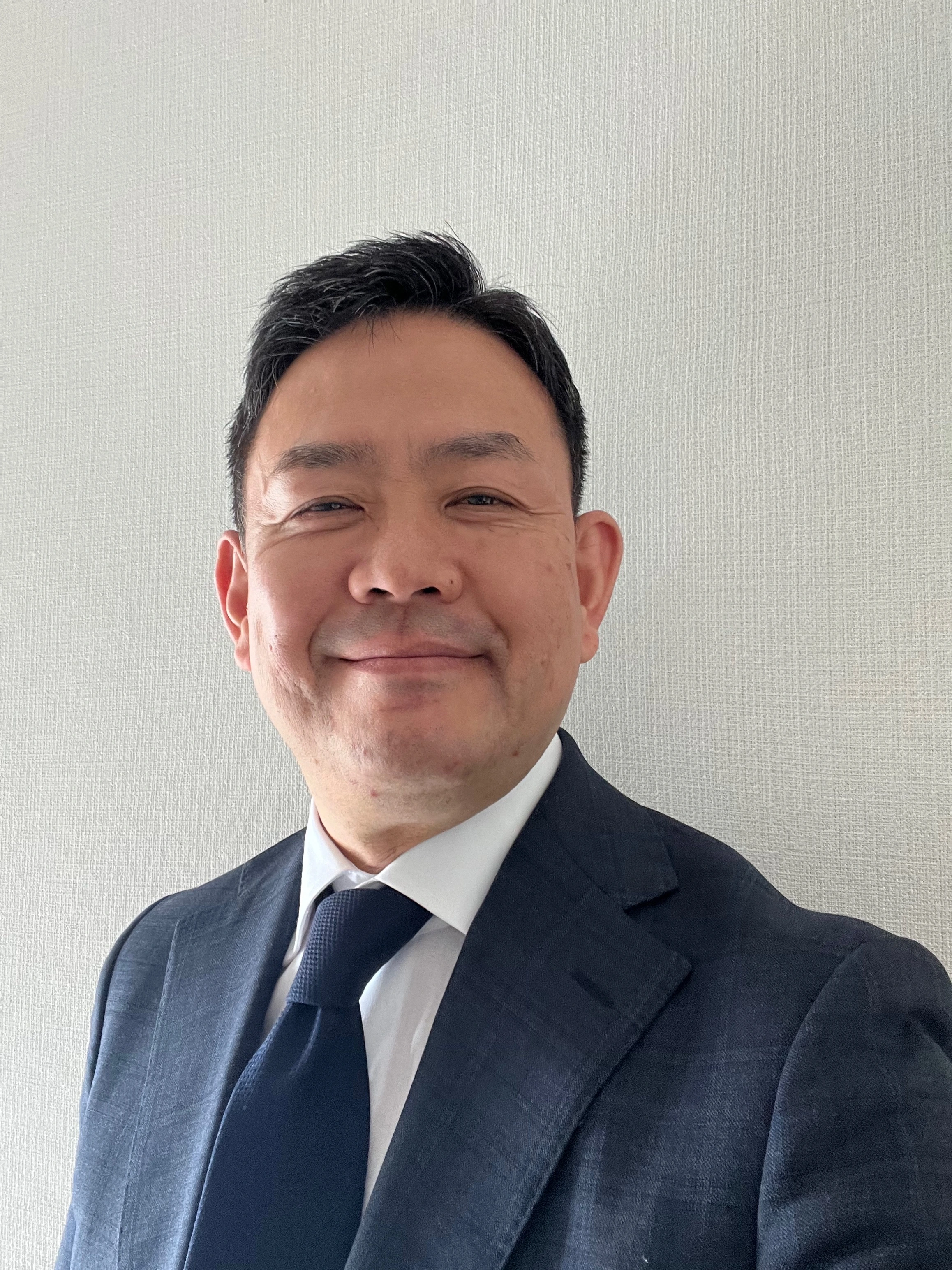
Author: Kenji Nishiyama (Certified Administrative Procedures Legal Specialist(Gyoseishoshi), Registration No.20081126)
Kenji Nishiyama is an Immigration and Visa Specialist who has supported many foreign residents with visa applications in Japan. On his firm’s website, he publishes daily updates and practical insights on immigration and residency procedures. He is also well-versed in foreign employment matters and serves as an advisor to companies that employ non-Japanese workers.