[Blog]How Institutions Reproduce Hardship — When Systemic Design Turns Small Problems into Lasting Consequences —
2026-07-16
1. The Question
Why do institutions sometimes make people's lives more difficult instead of supporting them?
Institutions are created to maintain social order and protect people's lives.
Yet people who attempt to comply with the rules sometimes lose their jobs, housing, financial stability, or even their legal residence.
These outcomes often appear to be personal failures.
The Balanced Coexistence Model argues otherwise.
Hardship is not always the result of individual decisions.
It is frequently reproduced by institutional structures themselves.
2. Hardship Is Not Always Personal
Society often assumes that individuals are responsible for their own difficulties.
They failed to renew their residence status.
They failed to pay social insurance.
They did not understand the system.
Personal responsibility certainly exists.
However, many problems originate elsewhere.
An employer fails to complete legal procedures.
A support organization neglects its obligations.
Government guidance is confusing.
Different institutions fail to communicate.
When institutional failures are treated solely as personal responsibility, hardship becomes unfairly concentrated on individuals.
3. Small Institutional Gaps Become Major Problems
A seemingly minor administrative problem can trigger a chain reaction.
A bank cannot verify that a residence renewal application is pending.
The person's account becomes restricted.
Salary cannot be received.
Rent cannot be paid.
Housing becomes unstable.
A mistake in an employer's social insurance procedures affects immigration records.
Employment, housing, finance, education, and family life all become interconnected.
People live integrated lives, but institutions often operate in isolation.
4. Unequal Responsibility Reproduces Hardship
Institutional hardship becomes especially severe when responsibility and consequences are separated.
An employer violates legal obligations.
A recruitment agency provides incorrect information.
Government agencies fail to coordinate.
Yet the foreign resident loses legal status, employment, housing, or financial access.
The weakest party bears the greatest burden.
Institutions cannot earn trust when responsibility is distributed unfairly.
5. One Mistake Should Not Become Permanent
No system is perfect.
The critical question is whether mistakes can be corrected.
Can missing documents be supplemented?
Can procedural errors be remedied?
Can minor violations be distinguished from serious misconduct?
Without correction mechanisms, temporary problems become permanent hardship.
Institutions should provide opportunities for recovery rather than immediate exclusion.
6. Distrust and Hardship Reinforce Each Other
Institutional hardship generates institutional distrust.
People who suffer despite following procedures stop relying on official systems.
They seek informal advice.
Authorities respond with stricter controls.
Procedures become more complicated.
More people avoid institutions.
Distrust creates hardship, and hardship creates even greater distrust.
This cycle continuously reproduces itself.
7. Hardship Extends Beyond Individuals
Institutional failure rarely affects only one person.
Unstable residence status affects families.
Job loss threatens children's education.
Housing insecurity weakens community integration.
The consequences spread across generations.
Institutional design must therefore consider families and communities, not merely individual applicants.
8. Support Must Not Become Exclusion
Language education, employment assistance, and social integration programs are intended to support participation.
However, support becomes exclusion when governments demand outcomes without providing opportunities.
If language ability is required, education must be available.
If social insurance compliance is required, procedures must be understandable.
If integration is expected, institutions must create realistic pathways toward integration.
9. Prevention Is Better Than Punishment
Institutions often intervene only after problems become severe.
Illegal employment continues for years before detection.
Insurance violations accumulate.
Housing instability develops unnoticed.
By then, correction becomes costly for everyone.
The Balanced Coexistence Model advocates preventive governance that identifies risks early and provides support before hardship becomes irreversible.
10. Institutional Connectivity Prevents Hardship
Connecting institutions is not about expanding surveillance.
It is about preventing unnecessary hardship.
Immigration, employment, finance, housing, education, healthcare, and social insurance should cooperate.
Early information sharing allows problems to be corrected before they escalate.
Institutional connectivity exists to prevent people from falling through administrative gaps.
11. Designing Institutions That Do Not Reproduce Hardship
Institutions should be explainable.
They should be correctable.
Responsibilities should be fairly distributed.
Systems should be connected.
Problems should be addressed before becoming crises.
Most importantly, institutions should treat people not as administrative risks but as members of society.
12. Conclusion
Institutions do not reproduce hardship because they are intentionally unjust.
They do so when they become fragmented, opaque, inflexible, and disconnected.
A minor administrative problem can spread into employment, housing, finance, education, and family life.
The resulting hardship generates distrust, and distrust produces even more hardship.
The Balanced Coexistence Model does not seek to eliminate personal responsibility.
It seeks to ensure that individual mistakes do not become irreversible social exclusion.
Through explainable, connected, correctable, and preventive institutions, hardship can be reduced before it spreads.
Hardship is not an unavoidable outcome.
It is shaped by institutional design.
Understanding how institutions reproduce hardship is therefore the second step toward building a society founded on trust.
This article is positioned as a chapter within the table of contents of the Balanced Coexistence Model.
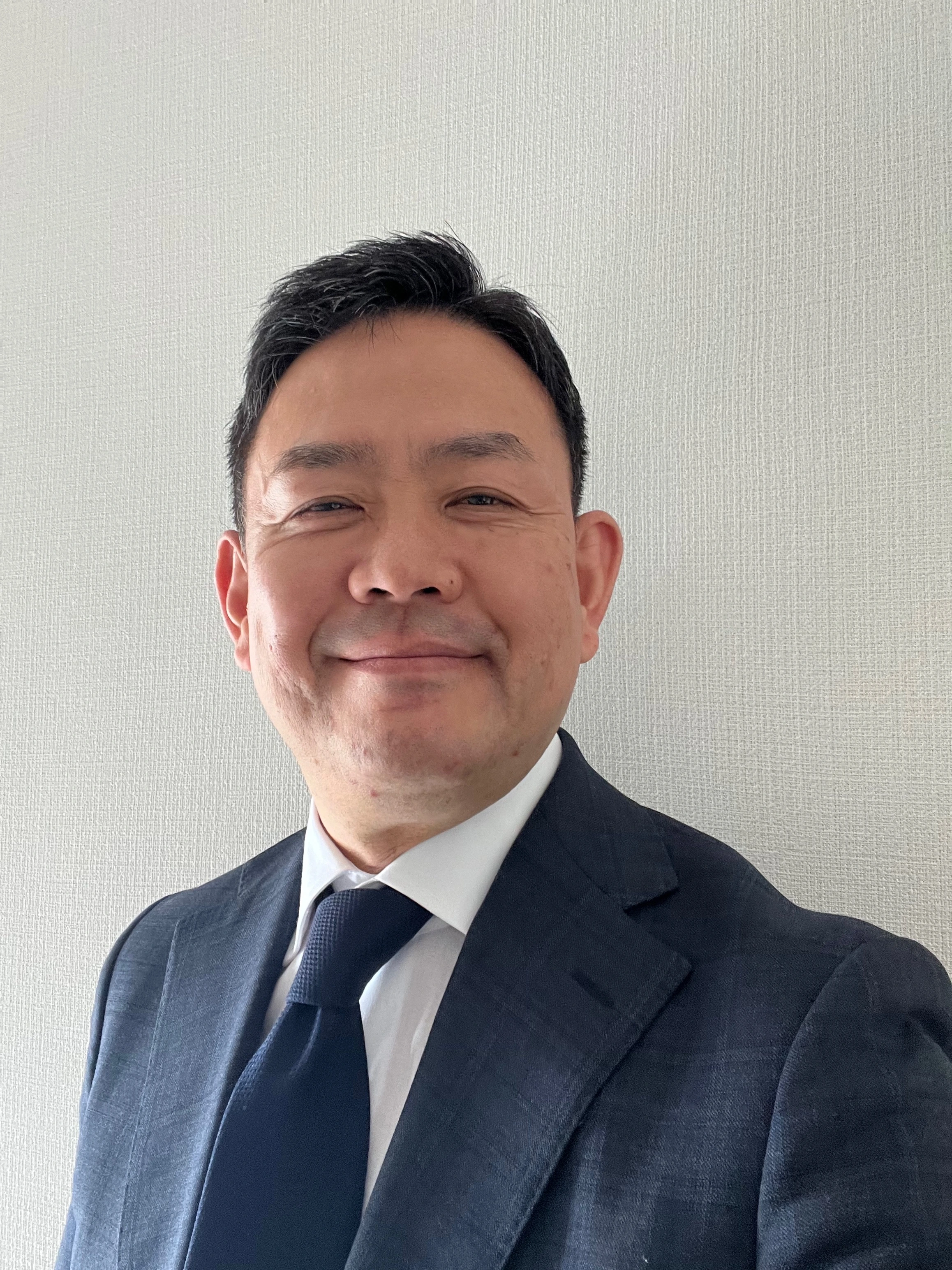
Author: Kenji Nishiyama (Certified Administrative Procedures Legal Specialist(Gyoseishoshi), Registration No.20081126)
Kenji Nishiyama is an Immigration and Visa Specialist who has supported many foreign residents with visa applications in Japan. On his firm’s website, he publishes daily updates and practical insights on immigration and residency procedures. He is also well-versed in foreign employment matters and serves as an advisor to companies that employ non-Japanese workers.