[Blog]The Consequence of Design — Trust Builds Society
2026-07-11
1. Not an Ending, but a Beginning
This book began with immigration and refugee policy, but it has ultimately explored institutions, distrust, social hardship, trust, technology, coexistence, and social design.
The Balanced Coexistence Model presented here is not a finished answer.
It is a design philosophy that seeks to reduce distrust and hardship while continuously strengthening trust in an ever-changing society.
2. Institutions Exist to Support People
Institutions do not exist merely to regulate people.
They exist so that people can live, work, study, raise families, and plan for the future with confidence.
Immigration administration should therefore become more than a system of approvals and refusals.
It should become an institution that enables people to rely upon society itself.
3. Distrust Weakens Society
Distrust is not merely an emotion.
It increases administrative burdens, obscures responsibility, and deepens social division.
When institutions cannot explain themselves, responsibilities remain unclear, and problems cannot be corrected, people gradually lose confidence in them.
The more people disconnect from institutions, the weaker society becomes.
4. Trust Sustains Society
Trust is the foundation of society.
People understand how institutions work.
They can anticipate decisions.
Responsibilities are shared fairly.
Problems can be corrected.
Through these repeated experiences, people learn to rely on institutions.
Trust is therefore not merely an abstract value.
It is something that institutions create every day.
5. Balance Does Not Eliminate Conflict
Every society contains competing values.
Human rights and national sovereignty.
Freedom and responsibility.
Openness and security.
Integration and diversity.
Fairness and efficiency.
The Balanced Coexistence Model does not attempt to eliminate these tensions.
Instead, it seeks to make them visible and manage them through explainable institutions.
6. Technology Should Support Trust
RegTech, API connectivity, explainable AI, digital procedures, and audit systems are powerful tools.
Yet they are not ends in themselves.
Technology should never become an instrument of surveillance.
It should serve people by making institutions more accessible, transparent, and reliable.
Only when guided by consent, purpose limitation, accountability, and correction mechanisms can technology become trust infrastructure.
7. Coexistence Requires Shared Responsibility
Coexistence cannot depend solely on migrants.
Nor can it depend only on governments, employers, or local communities.
Foreign residents, public institutions, businesses, financial organizations, housing providers, educational institutions, and communities all share responsibility.
Coexistence becomes sustainable only when mutual obligations are embedded within institutions.
8. Society Can Be Designed
Trust does not emerge automatically.
Without careful design, opacity, fragmentation, unequal responsibility, and uncertainty accumulate.
Society must therefore be consciously designed.
Institutions should minimize distrust.
Support should prevent hardship before it deepens.
Systems should detect problems early and make correction possible.
This is the essence of social design.
9. Trust Builds Society
Ultimately, trust is what sustains society.
Not law alone.
Not administrative authority alone.
Not markets.
Not technology.
When people trust institutions, institutions support people, and those experiences accumulate, society becomes stable.
Trust encourages people to follow rules.
Trust enables people to plan for the future.
Trust allows diverse individuals to live together within a shared society.
10. Conclusion
The Balanced Coexistence Model does not seek simply to increase or decrease immigration.
Nor does it seek merely to strengthen or weaken administrative control.
Its purpose is to reduce distrust and hardship while creating a society in which people can confidently rely upon institutions.
Designing institutions means designing trust.
Designing trust means designing society.
And ultimately, trust builds society.
The Balanced Coexistence Model is one contribution toward that future.
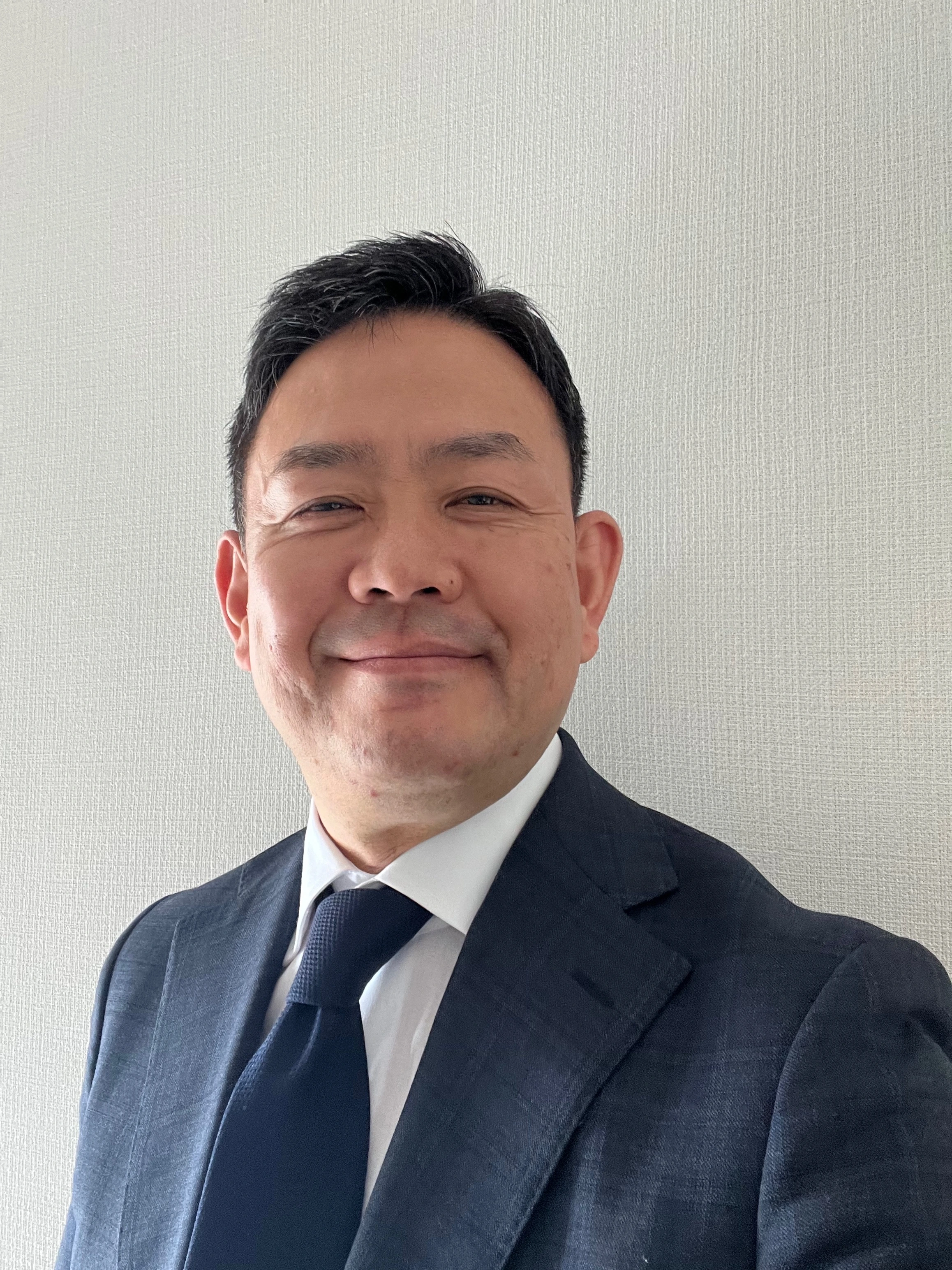
Author: Kenji Nishiyama (Certified Administrative Procedures Legal Specialist(Gyoseishoshi), Registration No.20081126)
Kenji Nishiyama is an Immigration and Visa Specialist who has supported many foreign residents with visa applications in Japan. On his firm’s website, he publishes daily updates and practical insights on immigration and residency procedures. He is also well-versed in foreign employment matters and serves as an advisor to companies that employ non-Japanese workers.