[Blog]A Strong Passport Does Not Guarantee Happiness: Rethinking Migration Policy Through the Balanced Coexistence Model
2026-11-17
Passport Strength and Happiness Are Not the Same
On November 11, 2026, the Indian business newspaper Business Standard published an article titled “Dreaming of Europe? These powerful passport countries may disappoint you.” The article examined the Happy Passports Index 2026, published by Global Citizen Solutions, highlighting an important distinction: possessing a powerful passport that provides extensive international mobility does not necessarily mean enjoying a high level of happiness or life satisfaction. This finding offers valuable insights into the fundamental assumptions underlying modern migration policies.
What Separates Northern and Southern Europe?
The index evaluated 50 countries using indicators such as happiness, domestic freedom, international mobility, prosperity, health, and safety. Finland ranked first overall with 93.2 points, followed by Iceland with 92.4 and Denmark with 92.1. By contrast, Spain, Italy, Greece, and Portugal possessed passports ranked among the ten strongest in the countries examined, yet none reached the top 15 in the overall index. Spain ranked 16th overall and 26th in happiness, Italy ranked 18th overall and 24th in happiness, while Greece ranked 36th overall and 43rd in happiness. These differences demonstrate that the freedom to travel internationally and the ability to live a satisfying life within one's own country are fundamentally different matters.
Freedom of Choice Matters More Than Mobility Alone
Particularly noteworthy is the relationship between happiness and other indicators among high-income countries. The reported correlation between life evaluation and freedom of choice was 0.79, compared with 0.28 for passport strength and 0.29 for income. Although these correlations do not establish causation, they suggest that neither economic prosperity nor international mobility alone adequately explains human happiness. What matters is whether individuals possess meaningful control over their lives, can live with security and dignity, and have genuine opportunities to determine their own futures.
Two Traditional Assumptions Behind Migration Policy
These findings invite us to reconsider two assumptions that have long shaped migration policy. The first is that migration is essentially a one-way movement from a country of origin to a receiving country. The second is that receiving countries offer economic and social advantages superior to those available in migrants' home countries, making migration inherently beneficial to those who move. Wage differences and employment opportunities undoubtedly remain powerful motivations for international migration. However, they do not automatically guarantee a better life. Even when migrants earn higher salaries, separation from family, restrictions on employment mobility, uncertain residence status, and limited long-term opportunities may significantly reduce the overall benefits of migration.
Receiving Countries Are Not Necessarily Superior
Japan and other receiving countries have often assumed that they will remain attractive destinations for foreign workers. Yet this assumption is becoming increasingly uncertain. Economic development, improved education, and expanding social protection in countries of origin are changing the relative advantages of international migration. If individuals can earn sufficient incomes while living with their families in their home countries, working abroad may no longer represent their best option. Moreover, higher living costs, social insurance contributions, immigration fees, language requirements, and other burdens must be considered alongside nominal wages. Foreign nationals should have not only the freedom to enter Japan but also the freedom not to migrate, to return home, or to move to another country. Migration systems must respect these choices rather than presume that remaining in the receiving country is always desirable.
Consistency with the Balanced Coexistence Model
This perspective closely aligns with the principles of the Balanced Coexistence Model (BCM). The BCM does not regard foreign nationals merely as a source of labor or as a solution to population decline. Instead, it seeks to establish sustainable relationships in which foreign nationals and receiving societies fulfill mutual responsibilities while sharing the benefits of coexistence. The distinction between mobility and happiness reinforces this approach. Nevertheless, the Happy Passports Index primarily evaluates national conditions and does not directly measure the experiences of individual migrants or the consequences of migration. Recognizing this limitation, the BCM should extend its analytical framework beyond national indicators to encompass the entire course of an individual's life.
A Three-Way Balance of Sustainable Benefits
To strengthen the BCM, a fundamental principle should be explicitly established: foreign nationals themselves, receiving countries, and countries of origin must all obtain sustainable, long-term benefits from international migration. For migrants, these benefits extend beyond wages to include professional development, health, family life, social security, personal dignity, and future opportunities. For receiving countries, benefits include not only securing workers but also improving productivity, maintaining stable communities, and supporting fair participation in taxation and social insurance systems. For countries of origin, migration can generate remittances, knowledge transfers, entrepreneurial opportunities, employment creation, and productive circulation of human resources. A system in which one party's prosperity depends on the persistent disadvantage of another cannot be considered sustainable coexistence. The objective must be a balanced relationship in which all three parties benefit over time.
Evaluating Benefits Across an Entire Lifetime
Achieving this three-way balance requires a fundamental change in how migration outcomes are evaluated. Employment contracts, initial wages, and the number of visas issued are insufficient measures of success. Migration should instead be assessed across an individual's entire life, including the periods before departure, during residence abroad, after returning home, and potentially during subsequent international movements. Practical measures could include internationally recognizable qualifications, arrangements for coordinating social security rights across borders, portable records of professional experience and learning, and fair opportunities to change employers. If skills acquired in Japan lose their value after a worker returns home, the system fails to maximize the individual's long-term opportunities. Conversely, when those skills remain valuable across borders, migration can create continuing benefits for both receiving countries and countries of origin.
Administrative Predictability as a Condition of Well-Being
Meaningful freedom of choice also requires transparent and predictable immigration procedures. If residence renewal requirements remain unclear, processing times are unpredictable, or sudden regulatory changes disrupt long-term plans, foreign nationals cannot exercise genuine control over their futures, even when international mobility is formally available. The BCM's emphasis on explainability, administrative connectivity, and preventive education should therefore be understood as more than an effort to improve bureaucratic efficiency. These principles help individuals understand their rights and responsibilities, anticipate future requirements, and make informed decisions. Managing immigration numbers must not come at the expense of respecting individual life plans. Predictability is an essential foundation of both administrative fairness and sustainable coexistence.
Can Japan Remain a Country That Foreign Nationals Choose?
Japanese immigration debates frequently focus on labor shortages, admission numbers, and residence status requirements. However, Japan's need for foreign workers and foreign nationals' willingness to choose Japan are not the same thing. Even if labor demand continues to increase, a sustainable migration system cannot function if the personal advantages of working and living in Japan steadily diminish. Investment in Japanese-language education, fair remuneration, family life, housing, financial services, healthcare, and access to social security should not be viewed merely as assistance to foreign residents. Such measures are investments in Japan's own long-term sustainability. At the same time, returning home or moving to a third country should not automatically be treated as an undesirable outcome. These decisions may represent rational and legitimate choices within an individual's broader life trajectory.
Redefining the Purpose of Migration Policy
The Business Standard article illustrates a fundamental lesson: the ability to cross borders does not necessarily translate into the ability to live happily. Applied to migration policy, this insight challenges the tendency to measure success primarily through admission numbers, labor supply, or immediate economic contributions. The more meaningful questions are whether migration has improved the individual's life, whether receiving societies have benefited sustainably, and whether countries of origin have also gained lasting value. The Balanced Coexistence Model should therefore recognize migrants not as labor resources moving permanently in one direction, but as autonomous individuals whose lives may connect multiple societies over many decades. The ultimate objective should be a lasting balance of benefits among foreign nationals, receiving countries, and countries of origin. Such a three-way relationship, grounded in freedom of choice, mutual responsibility, and sustainable practical benefits, should become a fundamental principle of migration policy in the years ahead.
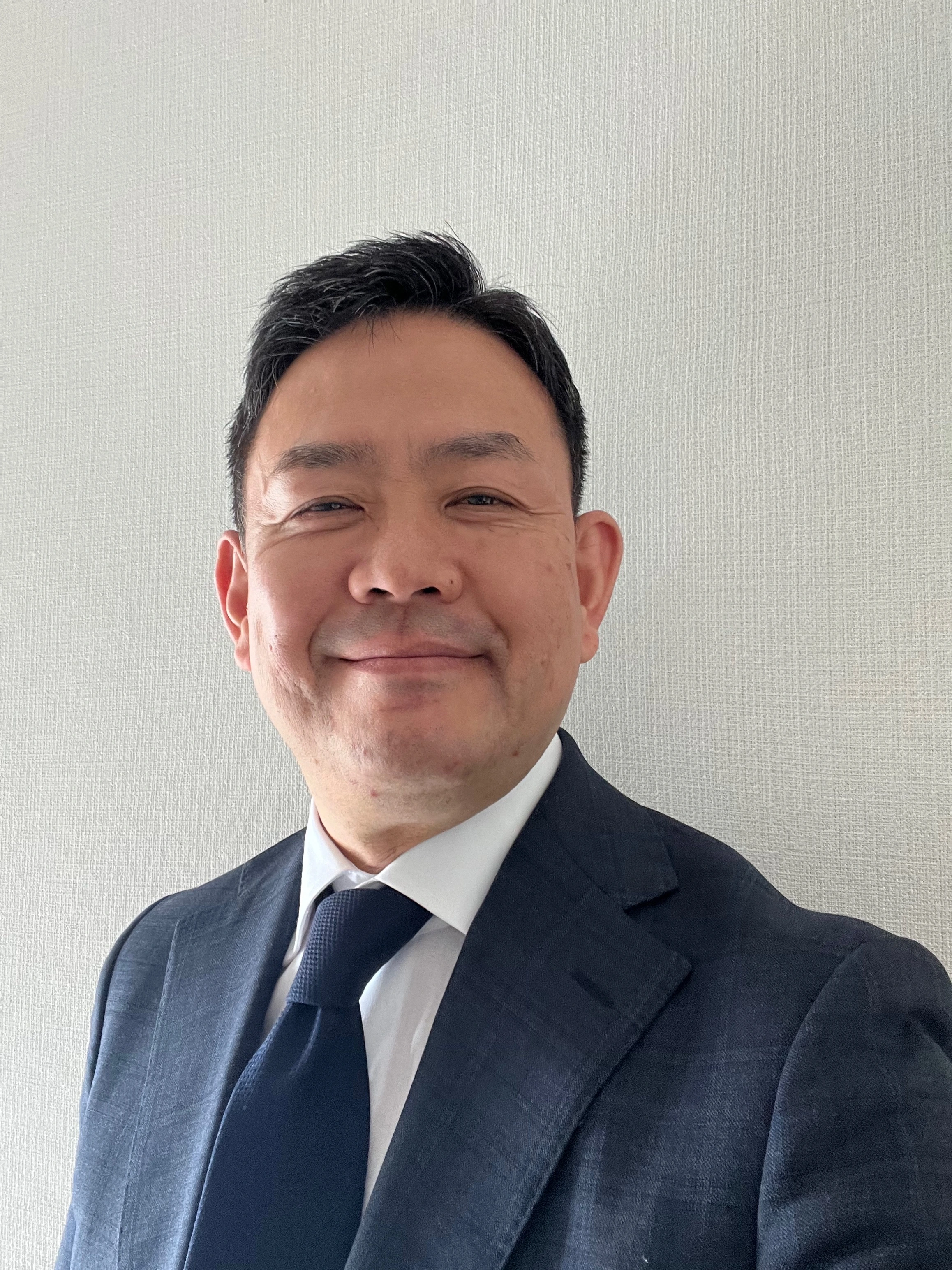
Author: Kenji Nishiyama
Certified Gyoseishoshi (Administrative Scrivener)
Registration No. 20081126
Kenji Nishiyama is an Immigration and Visa Specialist who has supported many foreign residents with visa applications in Japan. On his firm’s website, he publishes daily updates and practical insights on immigration and residency procedures. He is also well-versed in foreign employment matters and serves as an advisor to companies that employ non-Japanese workers.