[Blog]Recognizing the Future of Foreign Workers: A Landmark Court Ruling and the Balanced Coexistence Model
2026-11-15
A Court Recognizes Lost Earnings Based on Japanese Wages Until Age 67
On November 9, 2026, The Asahi Shimbun reported a significant court ruling concerning the future earning capacity of a foreign technical intern trainee. The Chiba District Court ordered a metalworking company to pay approximately 9.6 million yen in damages to a Chinese woman who had suffered a serious workplace injury. Most notably, the court calculated her lost future earnings using Japanese wage levels until the age of 67, rather than limiting the calculation to the remaining period of her original immigration status.
The woman began working at a metalworking factory in Chiba Prefecture in 2020. In April 2022, her left hand became caught in a press machine, resulting in the amputation of her index finger and other injuries. Despite the accident, she continued building her career in Japan. She subsequently obtained Specified Skilled Worker (i) status and began working at a nursing care facility. She also passed the Japanese-Language Proficiency Test at the N2 level and pursued training to become a certified care worker. Considering these circumstances, the court concluded that she was likely to obtain the residence status of Nursing Care and continue working in Japan over the long term.
Immigration Status Does Not Define an Entire Working Life
In 1997, Japan's Supreme Court established that the period during which a foreign national could reasonably be expected to work in Japan should be assessed by considering factors such as the purpose of entry, residence status, and authorized period of stay. In many subsequent cases involving technical intern trainees, courts have assumed that their employment in Japan would last only a few years, with future earnings thereafter calculated according to wage levels in their countries of origin.
However, the duration of an initial residence status does not necessarily determine the length of a person's professional life in Japan. Foreign workers may transition from technical intern training to the Specified Skilled Worker system and subsequently qualify for other residence statuses through professional development. The Chiba District Court's ruling is particularly significant because it examined the woman's actual career progression, language proficiency, vocational training, and realistic prospects of continued employment rather than relying exclusively on the formal limitations of her original immigration status.
This judgment does not establish that every technical intern trainee is automatically entitled to compensation calculated using Japanese wages until age 67. The decision was based on the specific circumstances of the individual case. Furthermore, the defendant company has appealed to the Tokyo High Court, meaning that the ruling is not yet final.
The Balanced Coexistence Model and the Agency of Foreign Workers
The Balanced Coexistence Model (BCM) proposed by the author regards foreign nationals not merely as sources of labor but as individuals who possess rights and responsibilities, develop their abilities, and participate actively in society. Immigration policy should therefore extend beyond numerical admission targets and administrative decisions on residence status. It should connect employment, education, social security, professional development, and community participation within a coherent institutional framework.
The circumstances considered by the court closely correspond to this approach. The woman's Japanese-language proficiency, pursuit of professional qualifications, transition between industries, and determination to continue working demonstrate how foreign nationals can progressively establish their place within Japanese society. Such development benefits both the individual and the receiving society. Recognizing these achievements when assessing future earning capacity is consistent with the BCM principle that foreign workers should be treated as participants in Japan's long-term social and economic development.
Labor Is Not a Commodity: Recognizing the Human Dimension of Economic Loss
One of the central principles underlying the Balanced Coexistence Model is that labor is not a commodity. A system that regards foreign workers as temporary economic inputs, whose relationship with Japanese society ends when their contracts or residence periods expire, risks overlooking their professional growth and future opportunities. A workplace accident can deprive a person not only of immediate income but also of opportunities for promotion, professional certification, career advancement, and long-term financial independence.
Lost earnings compensation does not attempt to assign a monetary value to human dignity itself. Rather, it estimates the economic opportunities that an injured person would reasonably have enjoyed without the accident. Nevertheless, when individuals work in the same society and face comparable occupational risks, their future prospects should not be assessed narrowly simply because of nationality or initial immigration status. Fairness does not require mechanically identical calculations for every person. It requires an individualized assessment based on reasonable evidence and realistic expectations.
Employer Responsibility and Occupational Safety
The ruling also raises important questions about corporate responsibility for workplace safety. When compensation for foreign workers is calculated on the assumption that their employment in Japan would necessarily end after a short period, the financial consequences of serious workplace accidents may be substantially reduced. Although this does not diminish an employer's existing legal obligations, the level of compensation can influence the economic incentives associated with occupational safety and accident prevention.
Under the Balanced Coexistence Model, responsibilities must be mutual. Foreign workers are expected to comply with Japanese laws, acquire necessary skills, and participate constructively in society. Employers, in turn, must provide safe working conditions, appropriate training, fair treatment, and opportunities for professional development. In industries involving hazardous machinery or physically demanding work, safety education should combine multilingual explanations, visual warnings, practical demonstrations, and verification of understanding. Employers should not rely exclusively on workers' Japanese-language proficiency to prevent accidents.
A balanced immigration system requires more than the legal authorization to employ foreign nationals. It requires institutions that protect their safety, recognize their contributions, and hold employers accountable for the conditions under which they work.
Connecting Immigration Status with Long-Term Career Development
The woman's transition from technical intern training in manufacturing to employment in nursing care illustrates an important reality: foreign workers' professional lives do not necessarily remain confined to a single employer, industry, or immigration category. Individuals acquire experience, undertake additional education, change occupations, and develop new professional ambitions.
Japan's immigration framework divides permissible activities into distinct residence statuses, but the actual development of human capabilities is continuous. The Balanced Coexistence Model therefore advocates institutional arrangements that support transitions between immigration categories through language education, vocational training, qualification recognition, and predictable administrative procedures.
This perspective is particularly relevant to Japan's transition toward the Employment for Skill Development system and its relationship with the Specified Skilled Worker framework. The objective should not be limited to filling immediate labor shortages. Policy should also provide realistic pathways for workers to improve their skills, expand their employment options, and pursue longer-term professional careers when they meet the applicable requirements.
Administrative Predictability and the Value of Learning Records
The court's consideration of the woman's JLPT N2 qualification and training toward certified care worker status highlights the importance of reliable evidence of professional development. Language proficiency, educational achievements, and vocational qualifications can provide objective information when evaluating a person's future employment prospects.
The Balanced Coexistence Model emphasizes administrative connectivity, the appropriate use of learning records, and transparent pathways for residence status transitions. A well-designed system could help foreign nationals understand the qualifications required for particular careers and demonstrate the skills they have acquired over time. Such information could also support more consistent and predictable administrative decisions.
However, the use of educational and employment records must be accompanied by strong safeguards, including appropriate consent, clearly defined purposes, data accuracy, correction procedures, and personal information protection. The absence of formal records should not automatically be interpreted as a lack of ability. The objective is to recognize genuine professional development, not to create additional administrative barriers.
Protecting Foreign Workers Benefits Society as a Whole
The protection of foreign workers' rights should not be understood solely as an additional cost imposed on employers or Japanese society. Effective occupational safety reduces accidents, supports employee retention, and preserves accumulated skills. Fair compensation rules also help prevent competitive advantages arising from inadequate safety measures or unequal treatment of vulnerable workers.
Similarly, recognizing realistic career opportunities encourages foreign nationals to invest in Japanese-language education, professional qualifications, and long-term participation in the workforce. These investments can contribute to productivity, workforce stability, and the sustainability of essential services, including nursing care.
The Balanced Coexistence Model does not seek preferential treatment for foreign nationals or impose unilateral responsibilities on Japanese citizens. Instead, it proposes a framework in which foreign residents develop their capabilities and fulfill their responsibilities, employers maintain appropriate working conditions, and public authorities operate fair and predictable institutions. Rights, responsibilities, and benefits should be distributed through a relationship of mutual accountability.
Conclusion: Recognizing Foreign Workers' Futures as Part of Japan's Future
The Chiba District Court ruling raises a fundamental question about how Japan evaluates the future of foreign workers. An individual's professional prospects cannot always be accurately predicted from the expiration date of an initial residence status. Language acquisition, vocational training, professional qualifications, and demonstrated career progression may establish a credible basis for long-term employment in Japan.
Although the final judicial outcome remains uncertain because of the pending appeal, the broader policy implications are substantial. Japan must move beyond viewing foreign nationals solely as temporary labor resources and develop institutions that recognize their potential to build meaningful careers and lives within Japanese society.
Respecting workers' future opportunities and strengthening employer accountability are not competing objectives. They reinforce one another. The Balanced Coexistence Model seeks to connect these principles through a sustainable immigration framework that values human development, institutional fairness, occupational safety, and mutual responsibility. Ultimately, recognizing the future of foreign workers as part of Japan's own future is an essential step toward genuine balanced coexistence.
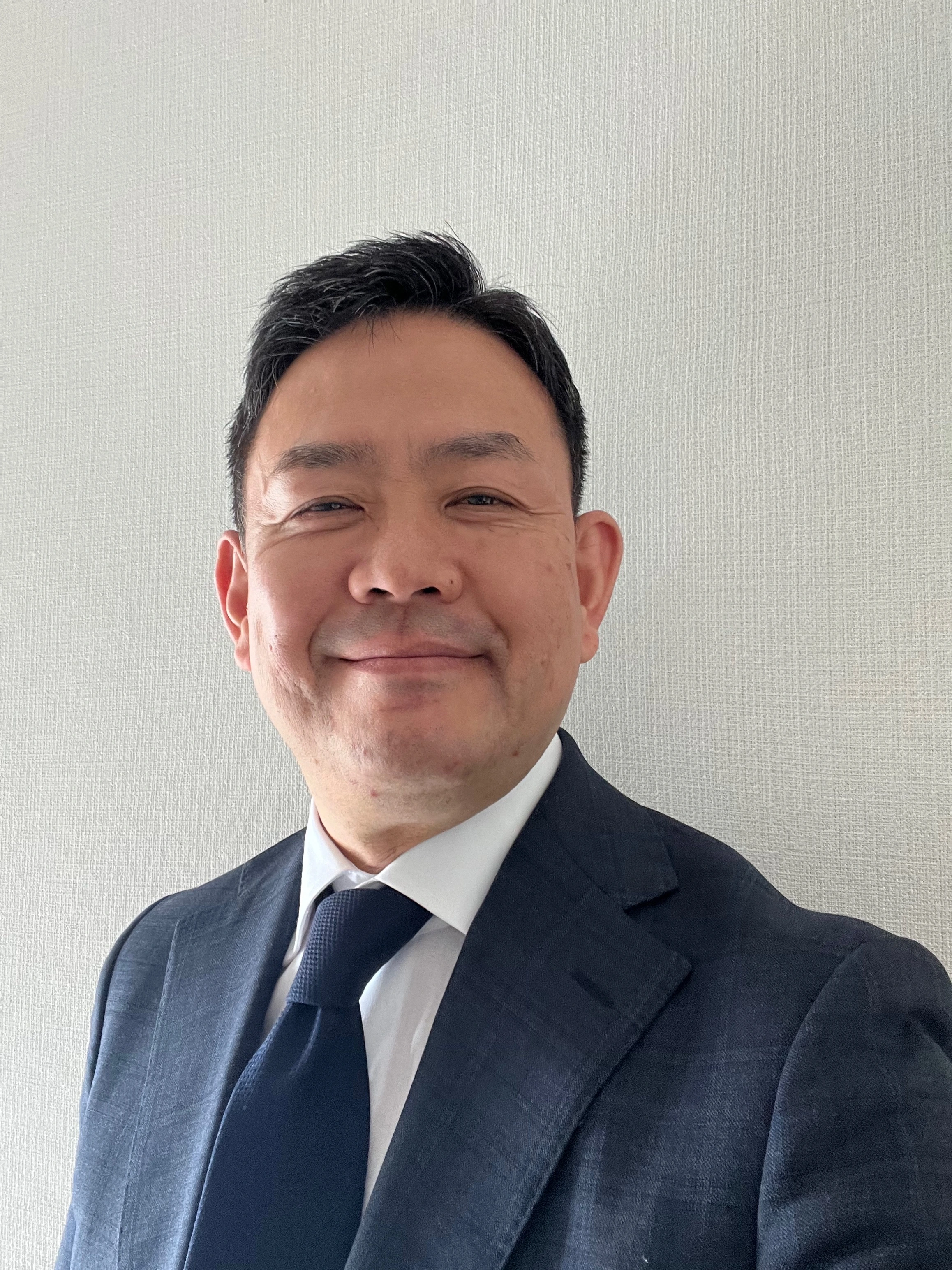
Author: Kenji Nishiyama
Certified Gyoseishoshi (Administrative Scrivener)
Registration No. 20081126
Kenji Nishiyama is an Immigration and Visa Specialist who has supported many foreign residents with visa applications in Japan. On his firm’s website, he publishes daily updates and practical insights on immigration and residency procedures. He is also well-versed in foreign employment matters and serves as an advisor to companies that employ non-Japanese workers.